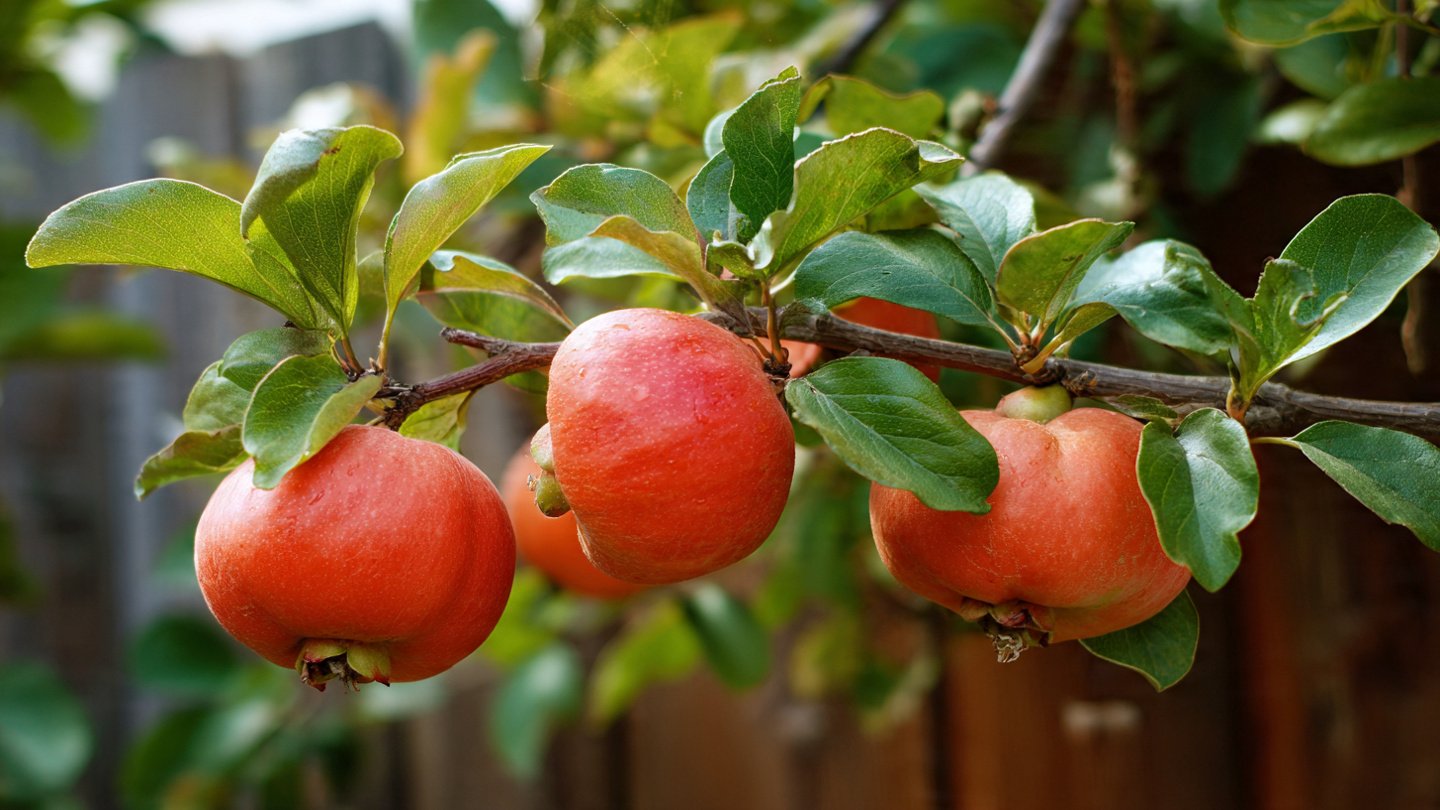
Quince trees (Cydonia oblonga) are gaining popularity among gardeners for their delicious, aromatic fruit and beautiful blooms. These trees are particularly appealing for Canadian gardeners looking to maximize limited space by planting in containers. Container gardening allows for a versatile approach to growing plants, ideal for those in urban settings or with smaller gardens. This guide will cover everything you need to know about cultivating quince trees in containers in Canada, including planting, care, pests, diseases, and a frequently asked questions (FAQ) section at the end.
Understanding Quince Trees
Characteristics of Quince Trees
Latest Posts
- OnePlus 15T Smartphone Unveiled – Featuring 200MP Camera, Snapdragon 8 Elite Gen 5 and Massive Battery
- Lava Yuva 5G Unveiled – 120Hz Display and Strong Performance for Everyday Use
- Nokia 1100 Launched – Premium Keypad Phone Returns at Budget Price ₹2,500
- Motorola G96 5G Unveiled – Featuring Stylish Design, Strong Performance and Advanced Camera Tech
- Vivo Y21d Unveiled – Massive 6000mAh Battery for All-Day Everyday Use
- Nothing Phone 4 Ultra 5G Launched – 16GB RAM, AI-Powered 50MP Camera and Flagship Performance
- OnePlus 5G Smartphone Launched – 300MP AI Camera, 7000mAh Battery & 100W Fast Charging
- Nothing Phone 3a Pro – High processor smartphone for gaming lovers – battery is 5000mAH
- Realme 15 Pro – 3 days battery backup smartphone with 50MP front camera under ₹28,000
- Vivo X200 FE – 12GB RAM + 256GB Storage smartphone with HD quality camera
Quince trees are deciduous, typically growing to about 10 to 15 feet tall, with branching structures that make them manageable in a container. They produce fragrant, yellow fruits that are rich in pectin, making them excellent for jams, jellies, and baking. The tree also exhibits attractive pink-white flowers in spring, providing aesthetic value to your garden.
Varieties Suitable for Containers
When considering quince for container gardening, several varieties are worth mentioning:
- Pineapple Quince (Cydonia oblonga ‘Pineapple’): Known for its juicy, aromatic fruit.
- Smyrna Quince (Cydonia oblonga ‘Smyrna’): Produces large, sweet fruit, although it may require cross-pollination for best yields.
- Meech’s Prolific: A hardy choice that can withstand cold climates, ideal for Canadian winters.
Container Selection
Size Matters
Choosing the right container is crucial to the success of your quince tree. A pot that is at least 18 to 24 inches in diameter and equally deep is recommended. Quince trees have extensive root systems, and adequate space will promote healthy growth.
Material Considerations
Containers can be made of various materials, including ceramic, plastic, wood, and fiberglass. Ensure that whichever material you select has adequate drainage holes to prevent waterlogging, which can lead to root rot.
Mobility
Consider opting for containers with wheels or a lightweight material that allows easy movement. This is especially beneficial during harsh Canadian winters when you may want to move the tree indoors or to a sheltered location.
Soil Requirements
Soil Type
Quince trees prefer well-draining soil that is rich in organic matter. A mix of potting soil blended with compost or aged manure can provide the necessary nutrients.
pH Levels
Aim for a slightly acidic to neutral pH range (6.0 to 7.0). Testing the soil pH can be useful, and amendments can be made to achieve the desired level.
Planting Your Quince Tree
Timing
The best time to plant your quince tree in a container is in the spring after the last frost, or in the fall before the first frost. This timing ensures that the tree can establish its roots before the extreme weather conditions set in.
Steps to Plant
- Prepare the Container: Ensure it has drainage holes, and place a layer of gravel or clay pellets at the bottom to enhance drainage.
- Fill with Soil: Add your soil mixture, leaving enough space at the top for watering.
- Plant the Tree: Remove the quince tree from its nursery pot and gently loosen any bound roots. Position the tree in the center of the container and fill in with soil, ensuring it’s planted at the same depth as in the nursery pot.
- Water Thoroughly: Water the tree thoroughly after planting to settle the soil around the roots.
Care and Maintenance
Watering
Container plants generally require more frequent watering than those in the ground. Water your quince tree deeply when the top inch of soil feels dry. During hotter months, monitor for moisture more closely, as containers can dry out quickly.
Fertilizing
Feed your quince tree with a balanced liquid fertilizer every 4-6 weeks during the growing season (spring to early fall). Ensure that the fertilizer is suited for fruit trees and monitor for any nutrient deficiencies.
Pruning
Pruning is essential for maintaining shape and promoting healthy growth.
- Timing: The best time to prune quince trees is during late winter or early spring before the new growth begins.
- Method: Remove any dead or overlapping branches and shape the tree into an open center to allow sunlight to reach all branches.
Sunlight Requirements
Quince trees thrive in full sun, requiring at least 6-8 hours of direct sunlight per day. Position your container to receive maximum sunlight. If your location lacks full sun, consider using supplemental grow lights.
Winter Care
Protecting from Cold
In Canada, winter temperatures can drop significantly, so it is crucial to protect your quince tree during this season:
- Indoors: If your tree is in a container, bringing it indoors can provide a stable temperature. A cool, bright room is ideal.
- Insulation: For trees left outdoors in containers, insulate the pot with burlap or bubble wrap to prevent soil freezing.
- Mulch: Place a thick layer of mulch on the top of the soil to retain heat and moisture.
Pest and Disease Management
Common Pests
- Aphids and Spider Mites: Monitor your tree regularly and use horticultural soap or neem oil if infestations appear.
- Scale: If you notice raised bumps on stems, consider pruning infested areas and applying insecticidal soap.
Common Diseases
- Crown Rot: This often occurs from overwatering. Ensure proper drainage and avoid waterlogging the soil.
- Fire Blight: A bacterial disease that affects blossoms and young shoots. Prune infected areas immediately and sterilize your pruning tools.
Harvesting Fruits
Timing for Harvest
Quince typically matures in late fall, around September to October, depending on the variety and growing conditions. The fruits should be harvested when they turn yellow and emit a fragrant aroma.
Harvesting Method
Use garden shears to cut the fruit from the branch, ensuring you leave a small stem attached to the fruit. Handle with care, as quince can bruise easily.
FAQs
1. Can quince trees grow in shade?
Quince trees prefer full sun and may not produce well in shady conditions. Aim for at least 6-8 hours of sunlight daily for optimal fruit production.
2. How often should I water my quince tree?
Water your quince tree when the top inch of soil feels dry. Frequency can vary with climate, so monitor closely during hot, dry spells.
3. Do I need more than one quince tree for fruiting?
Some quince varieties are self-pollinating, but cross-pollination can improve fruit set. Consider planting multiple trees for better yields if space allows.
4. Can I grow quince trees indoors?
While it is possible to grow quince trees indoors, they require significant light and care. Ensure they have enough sunlight and space to thrive.
5. How do I know if my tree is getting enough nutrients?
Monitor your tree for signs of nutrient deficiency, such as yellow leaves, stunted growth, or poor fruiting. Adjust your fertilization routine accordingly.
6. What should I do if my tree is infected with a disease?
Immediately remove any infected branches and treat the remaining plant with appropriate fungicides or bacterial sprays. Maintaining good airflow around the tree can help reduce disease risk.
Cultivating quince trees in containers can be a rewarding experience for Canadian gardeners. With the right approach to planting, care, and protection during harsh winters, you can enjoy the beauty and fruit of this unique tree for many years to come. Happy gardening!