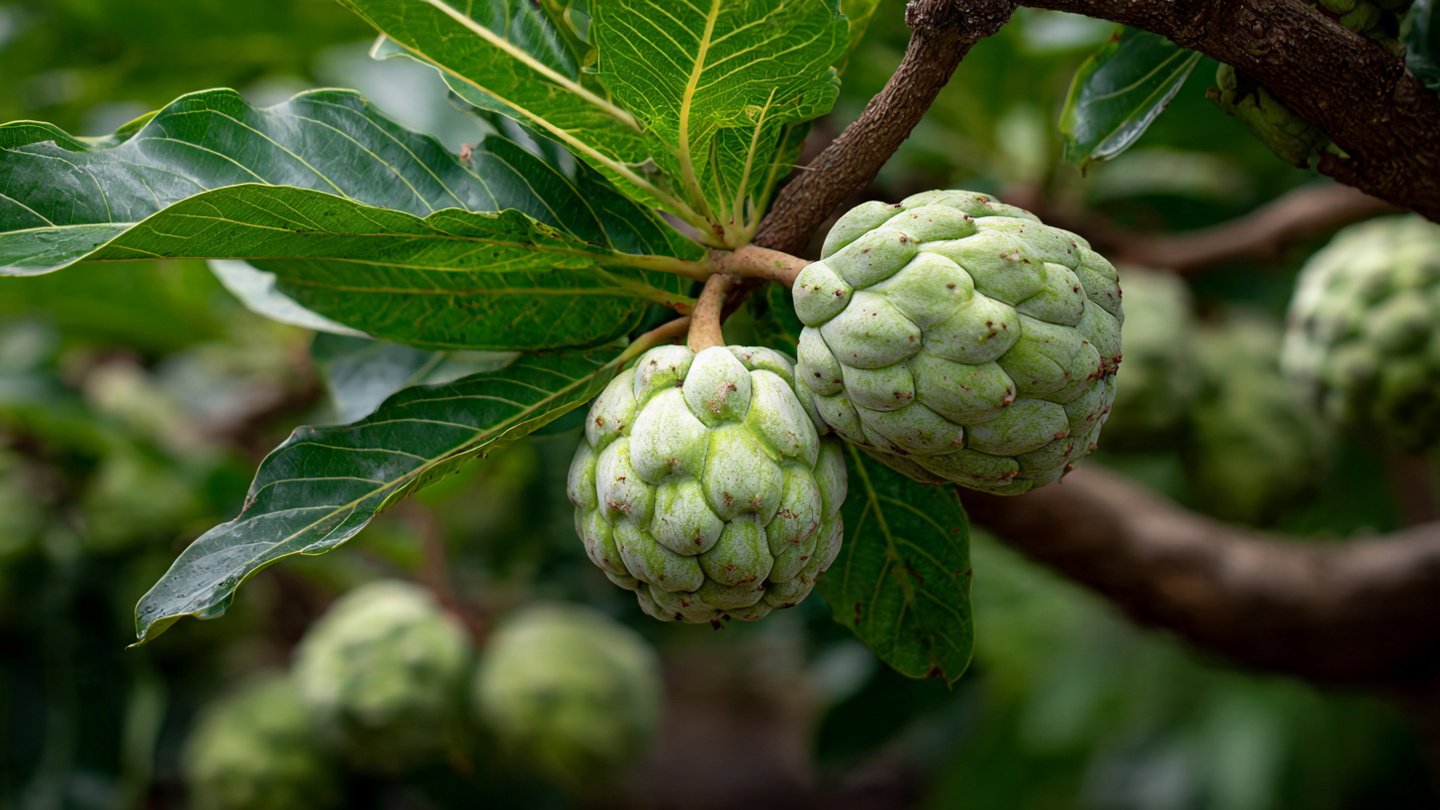
Custard apples, also known as cherimoyas or sweetsops, are unique tropical fruits renowned for their creamy texture and sweet flavor. They are easy to grow in the right conditions, making them a delight for both novice gardeners and seasoned horticulturists. Whether you’re looking to grow custard apples in your backyard or in containers, this comprehensive guide will cover everything you need to know, from planting to maintenance, pest management, and harvesting.
Understanding Custard Apples
Description and Varieties
Latest Posts
- OnePlus 15T Smartphone Unveiled – Featuring 200MP Camera, Snapdragon 8 Elite Gen 5 and Massive Battery
- Lava Yuva 5G Unveiled – 120Hz Display and Strong Performance for Everyday Use
- Nokia 1100 Launched – Premium Keypad Phone Returns at Budget Price ₹2,500
- Motorola G96 5G Unveiled – Featuring Stylish Design, Strong Performance and Advanced Camera Tech
- Vivo Y21d Unveiled – Massive 6000mAh Battery for All-Day Everyday Use
- Nothing Phone 4 Ultra 5G Launched – 16GB RAM, AI-Powered 50MP Camera and Flagship Performance
- OnePlus 5G Smartphone Launched – 300MP AI Camera, 7000mAh Battery & 100W Fast Charging
- Nothing Phone 3a Pro – High processor smartphone for gaming lovers – battery is 5000mAH
- Realme 15 Pro – 3 days battery backup smartphone with 50MP front camera under ₹28,000
- Vivo X200 FE – 12GB RAM + 256GB Storage smartphone with HD quality camera
Custard apples belong to the Annona genus and the family Annonaceae. The most well-known species is Annona squamosa, commonly referred to as the sugar apple or sweet apple. Other notable varieties include the cherimoya (Annona cherimola), which thrives in cooler climates, and the atemoya (Annona x atemoya), a hybrid of the cherimoya and sugar apple.
Nutritional Value
Custard apples are not just delicious; they are also nutritious! They are rich in vitamins C and B6, dietary fiber, and essential minerals such as potassium and magnesium. Their high antioxidant content also makes them a great addition to a healthy diet.
Climate and Soil Requirements
Climate
Custard apples thrive in tropical and subtropical climates. They require warm temperatures for optimal growth, with a minimum temperature of around 60°F (15°C) and ideal temperatures between 75°F and 85°F (24°C to 29°C). They will not tolerate frost, so if you live in a cooler climate, consider growing them in a greenhouse or indoors during winter.
Soil
This fruit prefers well-draining soil rich in organic matter. A sandy loam or loamy soil with a pH between 6.0 and 7.0 is ideal. If your soil is heavy clay, consider amending it with compost and sand to improve drainage.
Planting Custard Apples
Propagation Methods
Custard apples can be propagated through seeds or grafting.
-
Seeds:
- Select ripe fruits and extract the seeds.
- Clean and dry the seeds for a day.
- Sow them in a seed tray or pots filled with seed-starting mix, about 1 inch deep.
- Keep the soil moist but not soggy and provide indirect sunlight until germination.
-
Grafting:
- For a quicker fruiting tree, consider grafting. Choose a healthy rootstock and a scion from a reputable variety.
- Ensure you have sharp tools for clean cuts and maintain humidity around the graft area.
Planting Techniques
-
Container Planting:
- Choose a pot that’s at least 12-18 inches deep and wide with good drainage holes.
- Mix potting soil with compost to enrich the soil.
-
In-Ground Planting:
- Dig a hole that is twice the diameter and depth of the root ball.
- Amend the excavated soil with compost.
- Place the tree, fill in the soil, and water thoroughly.
Care and Maintenance
Watering
Custard apple trees are sensitive to waterlogged conditions. Water the tree deeply and allow the soil to dry out before watering again. During the growing season, aim for deep watering once a week. In hotter months, more frequent watering may be necessary.
Fertilization
Fertilize your custard apple tree during the growing season. Use a balanced fertilizer (N-P-K: 10-10-10) to encourage healthy growth. Reduce feeding in winter when the tree is dormant.
Pruning
Pruning is crucial for maintaining the shape of the tree and promoting airflow. Late winter or early spring is the best time to prune. Focus on removing dead or crossed branches and thinning out dense growth to allow sunlight to penetrate.
Mulching
Apply organic mulch around the base of the tree to retain moisture, suppress weeds, and maintain soil temperature. Ensure that the mulch is not too close to the trunk to prevent decay.
Pest and Disease Management
Custard apples are generally resilient but can be susceptible to certain pests and diseases:
-
Common Pests:
- Aphids: Use insecticidal soap or neem oil to control infestations.
- Fruit Flies: Hang traps or use organic sprays to deter them.
- Spider Mites: Maintain humidity and regularly mist the leaves to prevent outbreaks.
-
Diseases:
- Fungal Infections: Ensure good air circulation through proper pruning.
- Root Rot: Avoid overwatering and ensure good soil drainage.
Harvesting Custard Apples
Custard apples typically take 3-4 years to bear fruit if started from seed, and about 2 years from grafting. The fruit is ready to harvest when they are slightly soft to the touch and have a slight give when pressed. Picking them just before they are fully ripe will allow for a longer shelf life.
Storage
Store ripe custard apples in a cool, shaded area. They can be refrigerated to prolong freshness, but consuming them within a few days often yields the best flavor.
FAQs about Growing Custard Apples
1. How long does it take for custard apples to bear fruit?
Custard apple trees generally take 3-4 years to bear fruit when grown from seed and about 2 years when grafted.
2. Can I grow custard apples in a pot?
Yes, custard apples can be successfully grown in pots. Ensure the container is large enough and has good drainage.
3. What pests should I watch for when growing custard apples?
Common pests include aphids, fruit flies, and spider mites. Monitor your tree regularly and take action if you notice any infestations.
4. How do I know when my custard apples are ripe?
Custard apples are ripe when they yield slightly to pressure and the skin turns a light yellow-green color. Ripe fruits should have a sweet aroma.
5. Can custard apples be grown in cooler climates?
While custard apples prefer warm climates, they can be grown in cooler areas if planted in a greenhouse or brought indoors during the winter months.
6. What type of fertilizer should I use for custard apple trees?
A balanced fertilizer (N-P-K: 10-10-10) is recommended during the growing season. Avoid over-fertilizing, especially during dormancy.
7. How much water do custard apple trees need?
Water the trees deeply once a week and allow the soil to dry out before the next watering. Frequency may increase during hotter months.
8. Do custard apples require much maintenance?
With proper care practices like pruning, watering, and pest management, custard apple trees require moderate maintenance but can thrive in a home garden.
Conclusion
Growing custard apples at home can be a rewarding experience, offering beautiful trees and delicious fruits. With the right care, anyone—from beginners to experienced gardeners—can cultivate these exotic delights. Follow the tips outlined in this guide, and soon enough, you’ll be enjoying the sweetness of homegrown custard apples. Happy gardening!