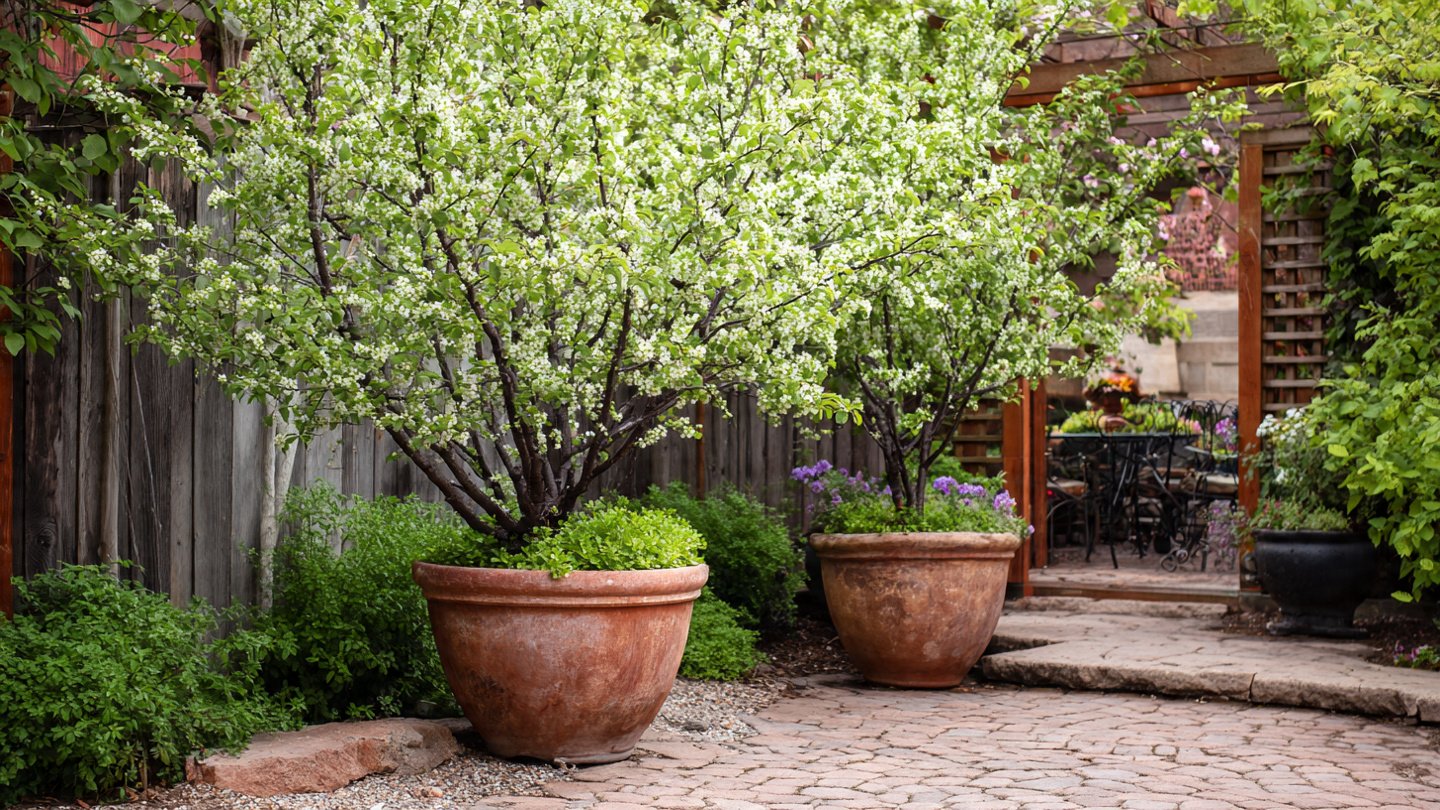
Growing fruit trees in containers is an increasingly popular trend among gardeners, especially those with limited space. Medlar trees, known for their unique fruit and beautiful blossoms, are particularly appealing. This guide will provide Canadian gardeners with comprehensive information on successfully growing medlar trees in containers.
1. Understanding Medlar Trees
1.1 What is a Medlar Tree?
Latest Posts
- OnePlus 15T Smartphone Unveiled – Featuring 200MP Camera, Snapdragon 8 Elite Gen 5 and Massive Battery
- Lava Yuva 5G Unveiled – 120Hz Display and Strong Performance for Everyday Use
- Nokia 1100 Launched – Premium Keypad Phone Returns at Budget Price ₹2,500
- Motorola G96 5G Unveiled – Featuring Stylish Design, Strong Performance and Advanced Camera Tech
- Vivo Y21d Unveiled – Massive 6000mAh Battery for All-Day Everyday Use
- Nothing Phone 4 Ultra 5G Launched – 16GB RAM, AI-Powered 50MP Camera and Flagship Performance
- OnePlus 5G Smartphone Launched – 300MP AI Camera, 7000mAh Battery & 100W Fast Charging
- Nothing Phone 3a Pro – High processor smartphone for gaming lovers – battery is 5000mAH
- Realme 15 Pro – 3 days battery backup smartphone with 50MP front camera under ₹28,000
- Vivo X200 FE – 12GB RAM + 256GB Storage smartphone with HD quality camera
Medlar (Mespilus germanica) is a deciduous tree native to southeastern Europe and western Asia. It belongs to the Rosaceae family, the same family as apples and pears. The tree typically matures to about 10-20 feet tall and produces unique, brown, apple-like fruits that are harvested in late fall or early winter. The medlar fruit is not eaten raw but is best when “bletted,” a process where the fruit becomes soft and sweet after over-ripening.
1.2 Benefits of Growing Medlar Trees
- Unique Fruits: Medlar fruit is not commonly found in supermarkets, providing a unique addition to your garden.
- Attractive Foliage: The medlar tree features lush green leaves that change to shades of yellow or red in the fall.
- Cold Hardiness: Medlar trees are hardy and can withstand Canadian winters if properly cared for in containers.
- Pollinator-Friendly: They attract bees and other beneficial insects to your garden.
2. Choosing the Right Container
2.1 Container Size
For a medlar tree, choose a container that is at least 18-24 inches wide and deep. As the tree matures, you may need to transplant it into a larger container. Look for pots made of materials like terracotta or heavy-duty plastic, which provide good insulation.
2.2 Drainage
Ensure your container has drainage holes to prevent waterlogging, which can lead to root rot. If the container does not have drainage holes, consider drilling some or using a pot insert that promotes drainage.
3. Choosing the Right Soil
3.1 Soil Type
A well-draining potting mix is essential for medlar trees. Use a mix of peat, perlite, and compost to provide nutrients while retaining moisture. Consider adding organic fertilizers during the growing season to promote healthy growth.
3.2 Soil pH
Medlar trees prefer slightly acidic to neutral soil, with a pH range of 6.0 to 7.0. Test your soil using a pH meter, and amend it if necessary. Lime can be added to increase pH, while sulfur can help lower it.
4. Planting Medlar Trees
4.1 Timing
The best time to plant a medlar tree is in the spring after the last frost or in the fall before the first frost. This allows the tree to establish roots before the extreme temperatures sets in.
4.2 Planting Steps
- Prepare the Container: Fill the bottom of the container with a layer of gravel or stones for drainage.
- Add Soil: Fill in with a nutrient-rich potting mix.
- Plant the Tree: Carefully remove the medlar tree from its nursery pot and place it in the center of the container. Fill in gaps with soil and gently compact.
- Water Thoroughly: After planting, water the tree well until water runs out of the drainage holes.
5. Light Requirements
Medlar trees thrive in full sun, which means they need at least 6-8 hours of direct sunlight each day. Position the container in a sunny location on your balcony, patio, or garden. If growing indoors, consider a south-facing window or supplement with grow lights.
6. Watering Your Medlar Tree
6.1 Watering Schedule
Medlar trees prefer to be kept moist but not overly saturated. Water when the top inch of soil feels dry. Depending on your climate and container size, this may mean watering every few days in hot weather or less frequently in cooler months.
6.2 Signs of Underwatering and Overwatering
- Underwatering: Leaves may curl or turn brown.
- Overwatering: Yellowing leaves, mushy stems, or root rot.
Adjust your watering schedule based on these signs.
7. Fertilizing the Medlar Tree
Medlar trees benefit from regular feeding throughout the growing season. Use a balanced, slow-release fertilizer in early spring before new growth begins. Liquid organic fertilizers can also be used every month during the growing season.
8. Pruning Medlar Trees
8.1 When to Prune
Prune your medlar tree in late winter or early spring, just before the growing season begins. This encourages healthy growth and helps shape the tree.
8.2 Pruning Steps
- Remove Dead or Damaged Wood: Use sharp, disinfected pruning shears.
- Shape the Tree: Trim excess growth to keep the tree from becoming bushy or unruly.
- Encourage Airflow: Thin out crowded branches to allow sunlight and air to reach the inner parts of the tree.
9. Protecting Your Medlar Tree from Pests and Diseases
9.1 Common Pests
Medlar trees are relatively pest-resistant but can attract aphids, scale insects, and spider mites. Regularly inspect your tree and treat infestations early using insecticidal soap or neem oil.
9.2 Diseases
Root rot is a common issue in container plants, so ensuring proper drainage and avoiding overwatering is key. Fungal diseases like powdery mildew can also affect the leaves. Maintain good air circulation and avoid overhead watering to minimize the risk.
10. Winter Care for Medlar Trees
10.1 Preparing for Winter
Even though medlar trees are cold-hardy, container trees are more vulnerable to freeze damage. Before winter arrives, take the following steps:
- Move Indoors: If possible, move the container to a sheltered location or indoors where temperatures are more regulated.
- Insulate the Container: Wrap the container with burlap or bubble wrap to provide additional insulation.
- Mulch: Add a layer of mulch on top of the soil to retain moisture and provide some insulation.
10.2 During Extreme Cold
Monitor the tree during cold snaps. If temperatures drop dramatically, consider bringing the tree indoors until it warms up.
11. Harvesting Medlar Fruits
11.1 When to Harvest
Harvest medlar fruits in late fall or early winter when they start to feel soft. They should be slightly brown in color—signifying they are ready for the “bletting” process.
11.2 How to Harvest
Gently twist or cut the fruit from the branch to avoid damaging the tree. Once harvested, leave the fruits at room temperature for a few days until they reach optimal sweetness.
12. Frequently Asked Questions (FAQs)
Q1: How long does it take for a medlar tree to bear fruit?
A: Medlar trees typically begin to bear fruit in 3-5 years, depending on the growing conditions and care provided.
Q2: Can I grow a medlar tree indoors?
A: Yes, medlar trees can be grown indoors if they are positioned in a bright, sunny location and receive adequate care.
Q3: Do medlar trees require cross-pollination?
A: Medlar trees are self-pollinating, but having multiple trees can improve fruit quality and yield.
Q4: What are common uses for medlar fruit?
A: Medlar fruit can be used to make jams, jellies, wines, or added to desserts. They are tasty when bletted.
Q5: How can I prevent my medlar tree from becoming leggy?
A: Ensure your tree receives adequate sunlight and practice regular pruning to keep it bushy and well-shaped.
Conclusion
Growing medlar trees in containers is a rewarding endeavor for Canadian gardeners. With their unique fruit, beautiful appearance, and adaptability to container gardening, medlar trees can flourish with the right care. By following this comprehensive guide, you will be well-equipped to successfully cultivate this fascinating fruit tree in your own garden. Happy gardening!