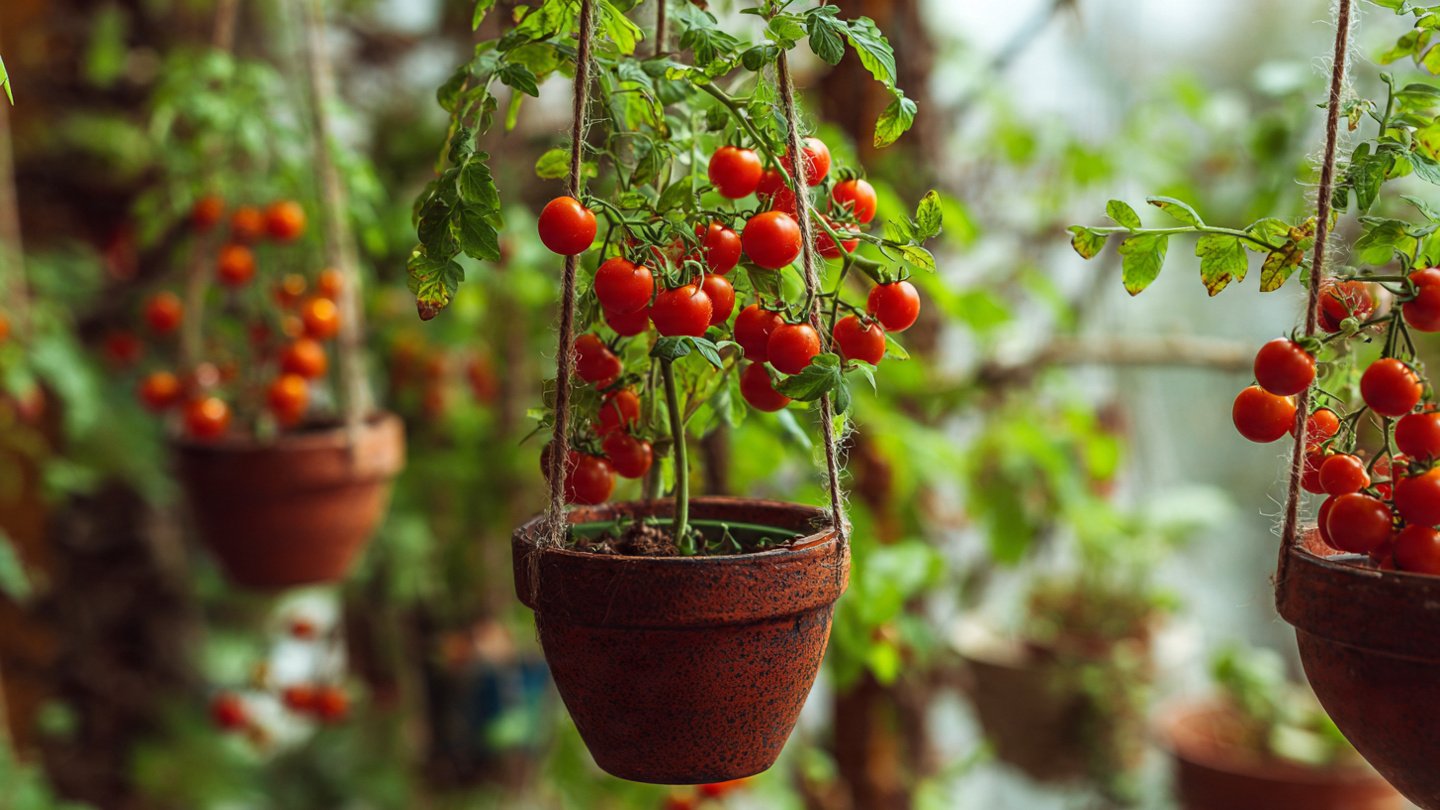
Growing cherry tomatoes in hanging pots is a rewarding and space-efficient way to cultivate your own fresh produce. Whether you have a balcony, patio, or small garden, hanging pots allow you to maximize your gardening space while enjoying the beauty and taste of homegrown tomatoes. This guide will walk you through every step of the process, from selecting the right pots to maintaining healthy plants, and it will answer common questions for aspiring gardeners.
1. Choosing the Right Hanging Pots
Material
Latest Posts
- OnePlus 15T Smartphone Unveiled – Featuring 200MP Camera, Snapdragon 8 Elite Gen 5 and Massive Battery
- Lava Yuva 5G Unveiled – 120Hz Display and Strong Performance for Everyday Use
- Nokia 1100 Launched – Premium Keypad Phone Returns at Budget Price ₹2,500
- Motorola G96 5G Unveiled – Featuring Stylish Design, Strong Performance and Advanced Camera Tech
- Vivo Y21d Unveiled – Massive 6000mAh Battery for All-Day Everyday Use
- Nothing Phone 4 Ultra 5G Launched – 16GB RAM, AI-Powered 50MP Camera and Flagship Performance
- OnePlus 5G Smartphone Launched – 300MP AI Camera, 7000mAh Battery & 100W Fast Charging
- Nothing Phone 3a Pro – High processor smartphone for gaming lovers – battery is 5000mAH
- Realme 15 Pro – 3 days battery backup smartphone with 50MP front camera under ₹28,000
- Vivo X200 FE – 12GB RAM + 256GB Storage smartphone with HD quality camera
When selecting hanging pots, consider the material. Common options include:
- Plastic: Lightweight and affordable, but may not retain moisture well.
- Clay or Terracotta: Attractive and porous, helping to regulate moisture, though they can be heavy.
- Metal: Durable but can overheat and damage roots if not insulated properly.
Size
Choose pots with a depth of at least 8-12 inches. Cherry tomato plants develop extensive root systems that need space to thrive. A pot with a diameter of 10-14 inches is ideal for one or two plants.
Drainage
Ensure that your pots have adequate drainage holes. Poor drainage can lead to root rot, which can devastate your plants. If you’re using pots without drainage holes, consider lining the bottom with gravel to improve drainage.
2. Selecting the Right Tomato Varieties
Not all cherry tomato varieties are suitable for hanging pots. Here are some excellent choices for container gardening:
- Sweet 100: Known for its prolific production of sweet, small fruits. It can grow quite tall, so proper support may be needed.
- Sun Gold: A favorite among gardeners, this variety offers bright orange fruits with a rich flavor.
- Tumbling Tom: A trailing variety that’s perfect for hanging pots; it has a compact growth habit and produces abundant fruit.
- Tiny Tim: A dwarf variety that stays small, making it ideal for small containers.
3. Preparing the Soil
Choosing the Right Soil
A high-quality potting mix is essential for container-grown tomatoes. Look for a mix that is lightweight, well-draining, and nutrient-rich. Avoid garden soil, as it can be too dense and may contain pests or diseases.
Enhancing the Soil
To further enhance your potting mix, you may consider adding:
- Compost: Improves soil structure and provides essential nutrients.
- Perlite or Vermiculite: Increases aeration and drainage, preventing compaction.
- Organic Fertilizer: Following package instructions, add a slow-release fertilizer to give your plants a steady supply of nutrients.
4. Planting Your Cherry Tomatoes
Timing
Cherry tomatoes are warm-season plants. The best time to plant them is after the last frost when temperatures consistently stay above 60°F (15°C). If you’re starting seeds indoors, initiate the process about 6-8 weeks before the last expected frost.
Transplanting Seedlings
If you’ve started your seedlings indoors, it’s time to transplant them:
- Water Your Seedlings a few hours before transplanting to minimize shock.
- Gently Remove Seedlings from their containers, taking care not to damage the roots.
- Fill Hanging Pots with your prepared potting mix, leaving about an inch of space at the top.
- Create a Hole in the soil and place the seedling in, covering it with soil up to the first set of leaves.
- Water Well after planting to help settle the soil around the roots.
5. Care and Maintenance
Watering
Regular watering is crucial for cherry tomato plants, especially in hanging pots which can dry out quicker. Here’s what you should keep in mind:
- Check Soil Moisture: Stick your finger into the soil; if it feels dry an inch down, it’s time to water.
- Water Deeply: When you do water, ensure you’re providing enough so that it reaches the root zone.
- Avoid Overwatering: While tomatoes need consistent moisture, overly wet soil can lead to root rot.
Fertilizing
Tomatoes are heavy feeders. Fertilize every 4-6 weeks with a balanced liquid fertilizer or one higher in potassium (the “K” in N-P-K) during the fruiting stage to enhance fruit development.
Pruning
Regularly pruning your cherry tomato plants can improve air circulation and encourage better fruit production:
- Remove Suckers: Pinch off the small shoots that grow between the main stem and branches, especially if the plant is getting too bushy.
- Trim Dead Leaves: Regularly remove yellowing leaves to prevent diseases.
Support
Depending on the variety, some cherry tomatoes can become quite tall. Use stakes or cages to support the plants, ensuring they grow upright and receive maximum sunlight.
6. Pest and Disease Management
Keeping your plants healthy requires vigilance. Here are some common pests and diseases, along with solutions:
- Aphids: These tiny insects can be eliminated with a strong blast of water or insecticidal soap.
- Whiteflies: Sticky traps can help monitor and control their population.
- Blight: Ensure good air circulation and avoid wetting the leaves when watering to prevent this fungal disease.
7. Harvesting Cherry Tomatoes
Harvesting is one of the most rewarding steps in the process. Here’s how to know when your cherry tomatoes are ready:
- Color: Look for vibrant color; cherry tomatoes are usually ripe when they are fully colored (red, orange, or yellow depending on the variety).
- Firmness: A ripe tomato should be firm but slightly soft to the touch.
- Twist and Pull: To pick a cherry tomato, gently twist it off the vine rather than pulling straight down, which can damage the plant.
8. FAQs
1. Can I grow cherry tomatoes in a hanging basket?
Yes! Cherry tomatoes are an excellent choice for hanging baskets, particularly trailing varieties like Tumbling Tom.
2. How often should I water my hanging cherry tomatoes?
Watering depends on environmental conditions. Check the soil; water when the top inch feels dry. Generally, you may need to water every 2-3 days in warm weather.
3. Do I need to prune my cherry tomato plants?
Pruning helps improve air circulation and directs energy into fruit production. Regularly remove suckers and dead leaves.
4. What fertilizer should I use?
A balanced fertilizer or one high in potassium is recommended. Feed every 4-6 weeks.
5. How can I prevent pests?
Regularly inspect your plants for pests. Use insecticidal soap or neem oil, and introduce beneficial insects like ladybugs to control aphids.
6. What should I do if my tomatoes are not ripening?
Ensure your plants are getting enough sunlight and warmth. Sometimes temperatures being too low or too high can interfere with ripening.
7. Can I grow cherry tomatoes indoors?
Yes, cherry tomatoes can be grown indoors if given adequate light. Consider supplemental grow lights to mimic natural sunlight.
Conclusion
Growing cherry tomatoes in hanging pots is not only feasible but can also be a fulfilling endeavor. With the right pots, soil, care, and maintenance, you can enjoy a bountiful harvest of delicious tomatoes right from your home. With a little patience and attention, you’ll soon be indulging in the juicy sweetness of homegrown cherry tomatoes, enhancing your meals and enjoying the satisfaction of nurturing your garden.