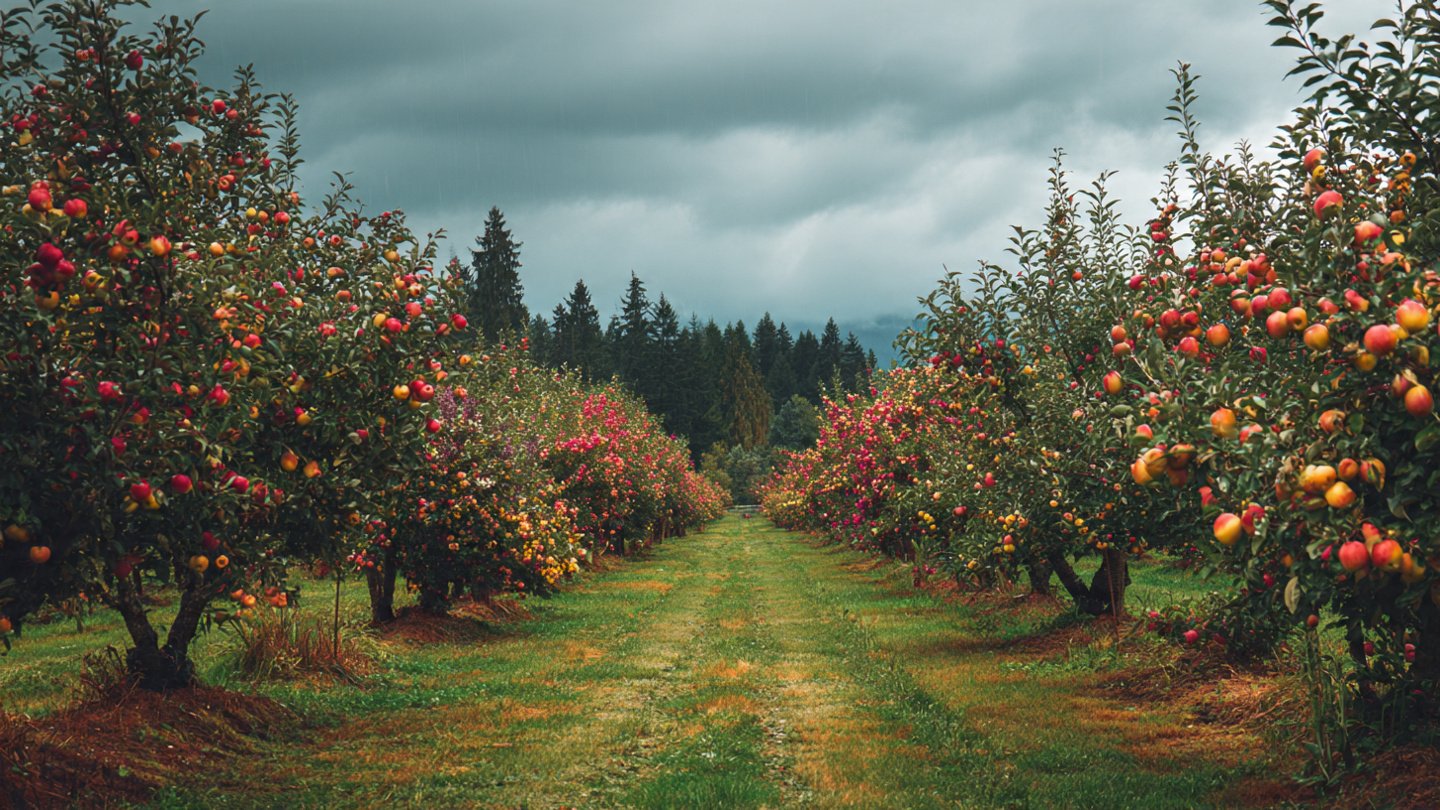
Growing an apple orchard in your backyard can be a rewarding venture, especially in Canada where the climate is conducive to growing some of the hardiest apple varieties. With the right techniques and knowledge, you can enjoy fresh apples straight from your own trees. In this article, we will explore everything you need to know to successfully cultivate a hardy apple orchard.
1. Choosing the Right Location
1.1 Sunlight
Latest Posts
- OnePlus 15T Smartphone Unveiled – Featuring 200MP Camera, Snapdragon 8 Elite Gen 5 and Massive Battery
- Lava Yuva 5G Unveiled – 120Hz Display and Strong Performance for Everyday Use
- Nokia 1100 Launched – Premium Keypad Phone Returns at Budget Price ₹2,500
- Motorola G96 5G Unveiled – Featuring Stylish Design, Strong Performance and Advanced Camera Tech
- Vivo Y21d Unveiled – Massive 6000mAh Battery for All-Day Everyday Use
- Nothing Phone 4 Ultra 5G Launched – 16GB RAM, AI-Powered 50MP Camera and Flagship Performance
- OnePlus 5G Smartphone Launched – 300MP AI Camera, 7000mAh Battery & 100W Fast Charging
- Nothing Phone 3a Pro – High processor smartphone for gaming lovers – battery is 5000mAH
- Realme 15 Pro – 3 days battery backup smartphone with 50MP front camera under ₹28,000
- Vivo X200 FE – 12GB RAM + 256GB Storage smartphone with HD quality camera
Apples thrive in well-lit environments. Choose a location that receives at least 6-8 hours of direct sunlight daily. This helps in producers photosynthesis, essential for fruit development.
1.2 Soil Conditions
Well-drained, loamy soil with a pH of 6.0 to 7.0 is ideal. If your soil is too acidic or alkaline, you may need to amend it. You can conduct a soil test through local agricultural extension services.
1.3 Wind Protection
Sheltering your trees from strong winds can help prevent damage to branches and improve pollination rates. Planting near a natural windbreak, like a row of evergreens, is beneficial.
2. Selecting the Right Apple Varieties
2.1 Hardy Varieties
Canada has a diverse climate, so selecting apple varieties that thrive in your specific region is crucial. Some hardy varieties include:
- Haralson: Known for its tart flavor, it’s great for pies and cider.
- Cortland: A sweet and juicy variety, perfect for fresh eating.
- Crispin (Mutsu): A robust variety with an excellent flavor profile.
- Honeycrisp: This variety is gaining popularity for its sweet and crisp texture.
2.2 Pollination
Most apple varieties require cross-pollination to produce fruit. Plant at least two different varieties to ensure pollination.
3. Preparing the Soil
3.1 Tilling
Loosen the soil to a depth of at least 12 inches. This aids root growth and improves aeration.
3.2 Adding Organic Matter
Incorporate compost or well-rotted manure into the soil to enhance fertility. This also improves soil structure and moisture retention.
3.3 Soil Amendments
Based on your soil test results, add lime to raise the pH or sulfur to lower it. Incorporate these amendments well into the soil.
4. Planting Your Trees
4.1 Timing
The best time to plant apple trees in Canada is in spring (April to May) or early fall (September to October). Spring planting allows trees to establish roots before summer heat.
4.2 Spacing
Space your trees 15 to 20 feet apart. This gives them enough room to grow and allows for good air circulation.
4.3 Planting Technique
- Dig a hole twice the size of the root ball.
- Place the tree in the hole, ensuring the graft union (the point where the tree variety is grafted onto the rootstock) is above the soil line.
- Backfill with soil, water thoroughly, and apply mulch around the base to retain moisture and suppress weeds.
5. Watering and Fertilization
5.1 Watering
Young apple trees require regular watering, especially in their first few years. Aim for at least an inch of water per week. Deep, infrequent watering encourages strong root systems.
5.2 Fertilization
Use a balanced fertilizer, such as 10-10-10 NPK, during the growing season. Avoid over-fertilizing, which can lead to excessive leaf growth at the expense of fruiting.
6. Pruning Your Apple Trees
6.1 When to Prune
The best time to prune apple trees is in late winter or early spring before new growth begins. This minimizes stress and promotes healthy growth.
6.2 Techniques
- Remove Dead or Diseased Wood: Cut away any branches that show signs of disease or damage.
- Thin Out Crowded Areas: This ensures good air circulation and sunlight penetration.
- Shape the Tree: Aim for an open center structure, which will allow light to reach all areas of the tree.
7. Pest and Disease Management
7.1 Common Pests
- Apple Maggot: The larvae tunnel into the apples, causing them to drop prematurely.
- Coddling Moth: These pests can bore into the fruit, leading to decay.
7.2 Disease Control
- Scab: Fungal disease that affects the leaves and fruit. Apply preventative fungicides.
- Powdery Mildew: Often appears as a white coating on leaves. Keep trees well-pruned for air circulation, and use appropriate fungicides if necessary.
7.3 Integrated Pest Management (IPM)
Utilize beneficial insects like ladybugs, and consider traps for pests. Regularly inspect your trees and take action as needed.
8. Harvesting Your Apples
8.1 Timing
Apples are ready to harvest when they no longer cling to the tree and have developed full color and flavor. This usually occurs in late summer to early fall, depending on the variety.
8.2 Technique
Gently twist and lift apples to avoid bruising. Harvest in the morning when it’s cooler to minimize stress on the fruit.
9. Storing and Enjoying Your Apples
Freshly harvested apples can last several months if stored correctly. Store them in a cool, dark place with good ventilation. Ensure they are free from bruises and imperfections, as damaged apples spoil quickly.
9.1 Uses
- Baking: Use tart varieties for pies and crisps.
- Cider Making: Blend different varieties for a unique flavor.
- Eating Fresh: Enjoy them straight from the tree!
10. FAQs
Q1: How long does it take for apple trees to bear fruit?
Apple trees typically start to bear fruit in 3 to 5 years after planting, depending on the variety and growing conditions.
Q2: Can I grow apple trees in containers?
Yes, dwarf varieties are suitable for container gardening. Ensure the pot is large enough (at least 15 gallons) and use high-quality potting soil.
Q3: What should I do if my apple tree doesn’t flower?
Lack of flowering can be due to insufficient sunlight, poor soil quality, or a need for pruning. Ensure your trees are healthy and properly pruned.
Q4: How can I protect my apple trees from winter damage?
Mulching around the base aids in temperature regulation. Wrapping the trunks with burlap can also provide protection from frost damage.
Q5: Is it necessary to thin the fruit on my trees?
Yes, thinning helps improve fruit size and quality by reducing competition for nutrients and energy.
Q6: How do I know if my apples are ready to be harvested?
Check the color, firmness, and taste of the apples. They should come off the tree easily with a gentle twist.
Conclusion
Cultivating a hardy apple orchard in your backyard can be a fulfilling endeavor. By selecting the right location, varieties, and care methods, you can create a thriving apple orchard that provides fresh, delicious fruit for years to come. Remember that gardening is a learning process, and patience is key—enjoy each step along the way!