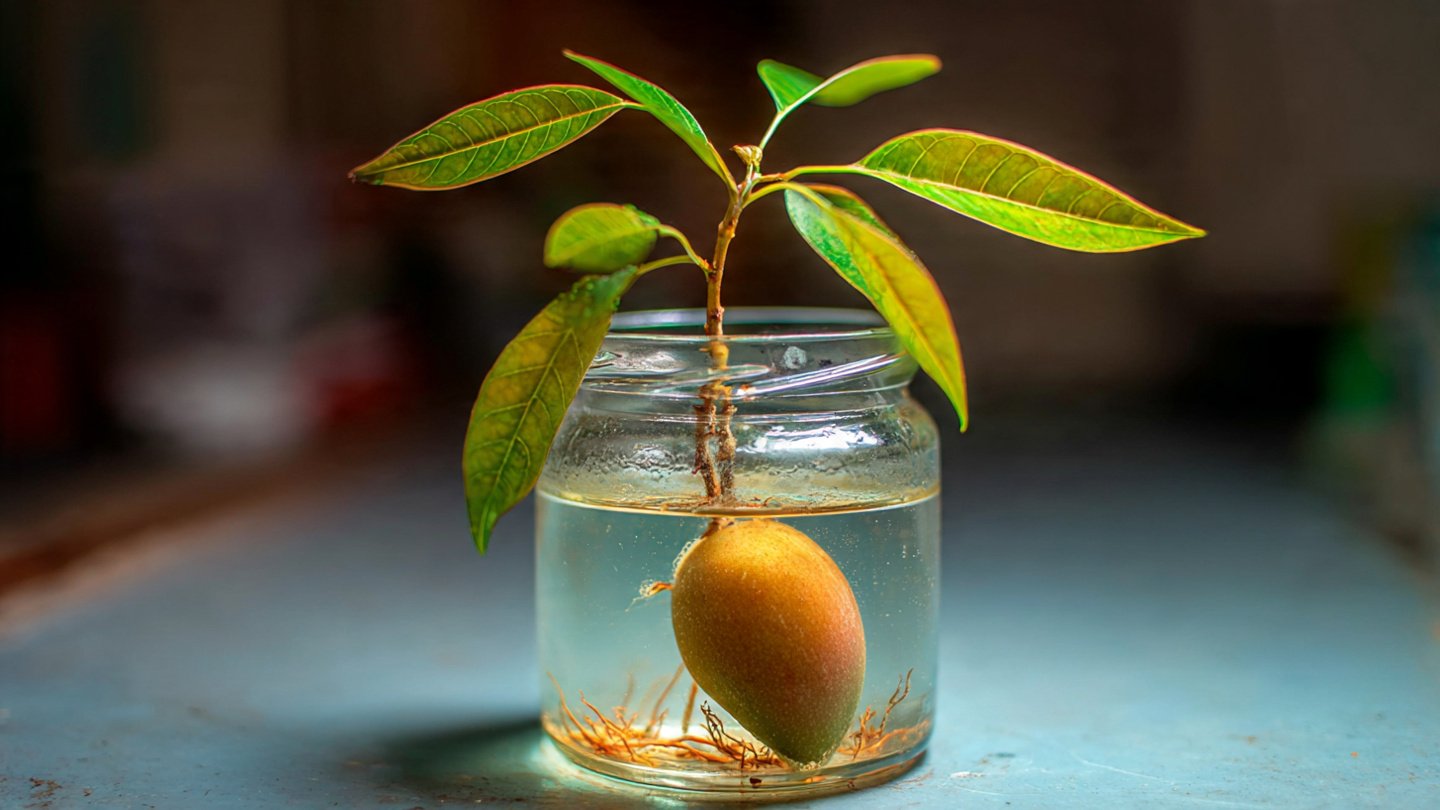
Mangoes are not just delicious tropical fruits; they’re also a joy to grow. If you have a ripe mango at home, the thought of sprouting its seed can be an exciting experience. Using water techniques simplifies the sprouting process and can yield quicker results than traditional soil methods. In this article, we’ll delve into the fastest method for sprouting mango seeds in water, the benefits of this technique, and frequently asked questions to guide your mango-growing journey.
Understanding Mango Seeds
Before we get into the sprouting process, let’s take a moment to understand what we’re working with. The mango seed is found inside the fruit, encased in a hard shell. This seed contains embryos that can be nurtured into a new mango tree, provided they receive the right conditions. Mango seeds are typically flat, oval-shaped, and can be quite large, but their outer shell must be carefully removed to maximize their potential.
Why Use Water for Sprouting?
Sprouting mango seeds in water offers several advantages:
- Faster Germination: Soaking seeds helps to soften the hard outer shell, which can hasten the germination process.
- Visibility: Using a clear container allows you to monitor the root and shoot development easily.
- Ease of Care: Water provides a stable environment where you can control humidity and moisture, reducing the risk of overwatering.
- Natural Techniques: This process mimics natural conditions where seeds soak up rainwater before germination.
Preparing the Mango Seed
- Select a Ripe Mango: Start with a ripe, healthy mango. The pulp should be juicy and sweet for the best seeds.
- Extract the Seed: Cut the mango carefully, avoiding damage to the seed inside. Remove the seed from the husk, rinsing any remaining fruit pulp off.
- Remove the Seed Coat: The outer hard shell of the seed (the endocarp) must be removed. Use a knife to carefully slice away the shell, exposing the softer inner seed. Be cautious not to damage the inner seed.
- Inspect the Seed: Ensure there are no signs of mold or damage. Healthy seeds are often plump and have a smooth surface.
The Water Sprouting Method
Now that the seed is prepared, let’s explore the step-by-step process of sprouting it in water.
Materials Needed
- A mango seed (prepared as described above)
- A clear container or glass
- Water (preferably distilled or rainwater)
- A plastic wrap or cling film (optional)
- A rubber band (if using plastic wrap)
Step-by-Step Guide
- Container Selection: Choose a clear, wide-mouthed jar or container, as this will allow you to see the developing roots and shoots. Make sure it’s clean to prevent any bacterial growth.
- Adding Water: Fill the container with water, enough to cover the bottom of the seed when placed inside. Avoid fully submerging the seed; the primary goal is to keep the base moist.
- Placement of the Seed: Place the mango seed in the container with the flat side facing down. The seed should be partially immersed in the water. If it tends to float, you can use a small piece of pebbles to keep it submerged.
- Cover and Insulate: To maintain humidity, cover the top of the container with plastic wrap to create a mini greenhouse effect. Use a rubber band to secure it in place, but remember to make small holes for air circulation. This step is optional.
- Location: Place the container in a warm, well-lit area, avoiding direct sunlight. A temperature range of 75-85°F (24-29°C) is ideal.
- Changing Water: Check the water daily and change it every two to three days to prevent stagnation and maintain cleanliness. Keep the water level consistent, allowing the seed to stay moist but not fully submerged.
- Waiting for Germination: Generally, seeds will sprout within 2 to 4 weeks, depending on environmental conditions. Be patient, as this process requires time.
Caring for Sprouted Mango Seeds
Once your mango seed has sprouted, it’s important to provide the right care for continued healthy growth.
Latest Posts
- OnePlus 15T Smartphone Unveiled – Featuring 200MP Camera, Snapdragon 8 Elite Gen 5 and Massive Battery
- Lava Yuva 5G Unveiled – 120Hz Display and Strong Performance for Everyday Use
- Nokia 1100 Launched – Premium Keypad Phone Returns at Budget Price ₹2,500
- Motorola G96 5G Unveiled – Featuring Stylish Design, Strong Performance and Advanced Camera Tech
- Vivo Y21d Unveiled – Massive 6000mAh Battery for All-Day Everyday Use
- Nothing Phone 4 Ultra 5G Launched – 16GB RAM, AI-Powered 50MP Camera and Flagship Performance
- OnePlus 5G Smartphone Launched – 300MP AI Camera, 7000mAh Battery & 100W Fast Charging
- Nothing Phone 3a Pro – High processor smartphone for gaming lovers – battery is 5000mAH
- Realme 15 Pro – 3 days battery backup smartphone with 50MP front camera under ₹28,000
- Vivo X200 FE – 12GB RAM + 256GB Storage smartphone with HD quality camera
- Monitor Growth: Once a root system and shoot have developed, typically, after a couple of weeks, you may notice a small shoot emerging. This is a sign your mango seed is healthy.
- Transplanting: After the sprout reaches about 6 inches in height and the roots are well established (ideally about 4 inches long), it’s time to transplant the seedling into soil. Choose a well-draining potting mix, and ensure the pot has drainage holes.
- Sunlight: Once in soil, provide plenty of indirect sunlight. Too much direct light can scorch the young plant.
- Watering: Regularly water your mango seedling but ensure that the plant doesn’t sit in stagnant moisture. Allow the top inch of the soil to dry before watering again.
- Nutrition: Consider adding a balanced fertilizer every few weeks to provide essential nutrients as the mango tree matures.
Potential Issues
While sprouting mango seeds in water is a straightforward process, there are a few common issues to be aware of:
- Mold Growth: If you notice black spots or a foul smell, it could indicate the seed is rotting. Ensure your container is clean and the water is changed regularly.
- Floating Seeds: If your seed floats, it may not be gaining the moisture it needs. Use a small weight to keep it down, but don’t completely submerge it.
- Lack of Germination: If your seed doesn’t sprout within 4 weeks, it might be non-viable. Try starting with a fresh seed to avoid disappointment.
Conclusion
Growing a mango tree from seed can be a rewarding experience, especially when using water as a sprouting medium. This quick and efficient method simplifies the process and provides a conducive environment for the seeds to germinate. By following the steps outlined above, you can enjoy the thrill of nurturing your very own mango plant.
FAQs
Q1: Can I use any mango seed to sprout?
A: Ideally, choose seeds from ripe, healthy mangoes. Seeds from overly ripe or damaged mangoes might not germinate successfully.
Q2: How long does it take for a mango seed to sprout in water?
A: Generally, you can expect sprouting to occur within 2 to 4 weeks, depending on the conditions provided.
Q3: Do I need to soak the seed before placing it in water?
A: Soaking the seed is not necessary but can help soften the outer shell and promote faster germination.
Q4: What should I do if my seed doesn’t sprout?
A: If the seed doesn’t sprout after 4 weeks, consider that it may not be viable. Try using a fresh mango seed and properly prepare it again.
Q5: Can I grow mango trees indoors?
A: Yes, mango trees can be grown indoors if provided adequate sunlight and space. However, they may not produce fruit when grown indoors.
Q6: How do I care for my mango plant after moving it to soil?
A: Once in soil, provide adequate watering, sunlight, and nutrients. Monitor for pests and diseases as it grows.
Cultivating a mango tree from its seed can be a captivating process that transforms a simple kitchen fruit into a tropical oasis at home. Happy gardening!