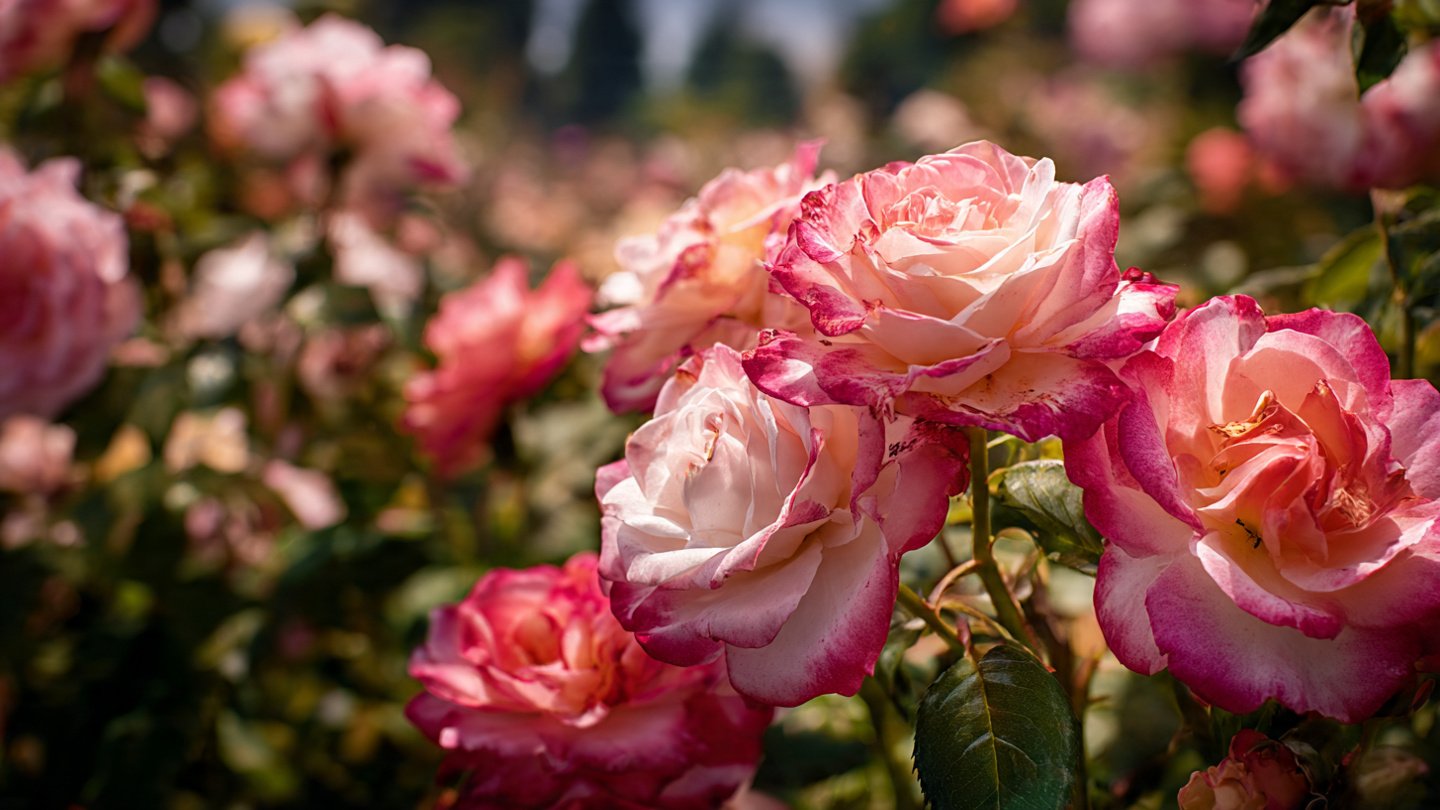
Roses are often regarded as the queen of flowers, cherished for their stunning beauty and delightful fragrance. However, maintaining a thriving rose garden requires careful nurturing, attention to detail, and an understanding of their unique needs. In this article, we will explore various techniques and practices that will help you foster greater blooms in your rose garden, ensuring your roses flourish beautifully.
Understanding Rose Varieties
Before diving into care techniques, it’s important to know that roses come in many varieties, each with its own requirements. The most common types include:
Latest Posts
- OnePlus 15T Smartphone Unveiled – Featuring 200MP Camera, Snapdragon 8 Elite Gen 5 and Massive Battery
- Lava Yuva 5G Unveiled – 120Hz Display and Strong Performance for Everyday Use
- Nokia 1100 Launched – Premium Keypad Phone Returns at Budget Price ₹2,500
- Motorola G96 5G Unveiled – Featuring Stylish Design, Strong Performance and Advanced Camera Tech
- Vivo Y21d Unveiled – Massive 6000mAh Battery for All-Day Everyday Use
- Nothing Phone 4 Ultra 5G Launched – 16GB RAM, AI-Powered 50MP Camera and Flagship Performance
- OnePlus 5G Smartphone Launched – 300MP AI Camera, 7000mAh Battery & 100W Fast Charging
- Nothing Phone 3a Pro – High processor smartphone for gaming lovers – battery is 5000mAH
- Realme 15 Pro – 3 days battery backup smartphone with 50MP front camera under ₹28,000
- Vivo X200 FE – 12GB RAM + 256GB Storage smartphone with HD quality camera
- Hybrid Tea Roses: Known for their large blooms and long stems, these roses are perfect for cutting.
- Floribunda Roses: These produce clusters of blooms and are perfect for providing a continuous splash of color.
- Climbing Roses: Ideal for trellises or walls, these can add vertical beauty to your garden.
- Shrub Roses: These are hardy and come in various sizes, flourishing in a range of conditions.
- Miniature Roses: Perfect for containers, these small plants are great for patios or small gardens.
Understanding the characteristics of your chosen rose varieties will help tailor your care techniques effectively.
Planting Roses: The Foundation of Success
Choosing the Right Location
Roses thrive in full sunlight, so selecting a location that receives at least six to eight hours of direct sun each day is crucial.
Soil Preparation
Roses prefer well-drained soil that is rich in organic material. Here’s how to prepare your soil:
- Testing: Conduct a soil test to determine pH and nutrient levels. Roses prefer slightly acidic to neutral soil (pH 6.0 to 6.8).
- Amendment: Add organic compost, well-rotted manure, or peat moss to improve soil texture and fertility.
- Drainage: Ensure proper drainage by incorporating sand or perlite. Raised beds can also help prevent water accumulation.
Planting Technique
When planting roses, follow these steps for optimal results:
- Hole Size: Dig a hole that is at least twice the width and as deep as the root ball.
- Spacing: Allow enough space between plants for air circulation; generally, two to three feet apart works well.
- Planting Depth: When planting, ensure that the graft union (the swollen area where the plant was grafted) is level with the soil surface.
- Watering: Water the plants thoroughly after planting to settle the soil around the roots.
Watering: The Lifeblood of Roses
Proper watering is critical for healthy rose growth. Here are pertinent tips:
Frequency and Method
- Soak the Roots: Instead of frequent light watering, provide deep soakings to encourage root growth.
- Timing: Water in the early morning to minimize evaporation and prevent fungal diseases.
- Amount: Roses typically require about an inch of water per week; this may increase during dry spells.
Water Quality
Using rainwater or distilled water can reduce mineral buildup in the soil, particularly in areas with hard water.
Fertilization: Nourishing Your Roses
Fertilizing is essential to provide the nutrients roses need for vibrant blooms.
Choosing the Right Fertilizer
- Formulation: Use a balanced fertilizer with equal parts nitrogen, phosphorus, and potassium (N-P-K).
- Organic Options: Consider organic options like compost, fish emulsion, or bone meal for a slower release of nutrients.
Timing and Application
- Spring Feeding: Fertilize in early spring as new growth begins.
- Mid-Season Boost: A second application in mid-summer can support blooming.
- Application: Follow package instructions and apply evenly around the base of the plant, avoiding direct contact with the stems.
Pruning: Encouraging Growth and Blooms
Pruning is a vital practice for maintaining the health of your rose bushes and promoting blooming.
When to Prune
- Early Spring: Prune when new growth emerges, usually before the last frost for your region.
How to Prune
- Tools: Use sharp, clean pruners to make clean cuts.
- Technique: Remove dead or diseased wood first, followed by weak, crossing, or inward-growing stems.
- Cutting Angle: Cut above a healthy bud at a 45-degree angle to encourage growth outward.
Pest and Disease Management
Keeping your rose garden healthy requires vigilance against pests and diseases.
Common Pests
- Aphids: Small green insects that can damage new growth. Use insecticidal soap or neem oil to control them.
- Spider Mites: These can cause stippling on leaves. Regularly spraying water can help keep them at bay.
- Japanese Beetles: Hand-picking and using traps can help manage these pests.
Common Diseases
- Powdery Mildew: This fungal disease appears as a white powdery coating. Ensure proper air circulation and apply fungicides if necessary.
- Black Spot: Visible as dark spots on leaves, this disease can be prevented through proper watering practices and using resistant varieties.
Mulching: Protecting and Conserving
Mulching is a beneficial practice that helps with moisture retention and weed control.
Types of Mulch
- Organic Mulch: Wood chips, straw, or shredded bark can improve soil quality as they decompose.
- Inorganic Mulch: Gravel or stones can also be used, but they won’t enrich the soil.
Application Techniques
- Thickness: Apply a layer about three inches deep, leaving space around the base of the plant to prevent rot.
- Timing: Apply mulch in spring as temperatures begin to rise to suppress weeds and retain moisture.
Seasonal Care
Each season brings specific tasks to keep your rose garden thriving.
Spring
- Clean Up: Remove any dead leaves or debris from winter.
- Pruning: As discussed, prune your roses to encourage healthy growth.
Summer
- Deadheading: Regularly removing spent blooms encourages further flowering.
- Watering: Increase frequency during dry spells.
Fall
- Fertilizing: Give a final feeding to prepare the plant for winter.
- Protection: Consider using burlap or fabric to protect young plants from harsh winter winds.
Winter
- Mulching: Ensure a good layer of mulch to insulate the roots.
- Pruning: In regions with harsh winters, further pruning may be necessary to shape the plants and prevent damage from snow.
FAQs
Q1: How often should I water my roses?
A1: Roses typically require about an inch of water per week, which may increase during hot, dry spells. Deep watering is more effective than frequent light watering.
Q2: Can I grow roses in partial shade?
A2: While roses prefer full sun, some varieties can tolerate partial shade. However, this may result in fewer blooms and weaker plants.
Q3: What is the best time to plant roses?
A3: Early spring is generally the best time to plant roses, as this allows them to establish roots before the heat of summer.
Q4: How can I promote more blooms in my rose garden?
A4: Ensuring adequate sunlight, proper watering, regular fertilization, and deadheading spent blooms can significantly enhance blooming.
Q5: What should I do if my roses have pests?
A5: Identify the specific pest, then use appropriate methods for control, such as insecticidal soap or hand-picking. Regular monitoring is crucial for early intervention.
Q6: How do I prepare my roses for winter?
A6: Trim back any leggy growth, apply a layer of mulch for insulation, and consider covering with burlap if you live in an area with severe winter conditions.
Conclusion
Creating a flourishing rose garden requires careful attention and care throughout the year. By understanding the needs of your roses and employing the techniques outlined in this article, you can foster greater blooms and enjoy a stunning display of color and fragrance in your garden. Remember that patience and consistency are key—your efforts today will reward you with breathtaking roses tomorrow!