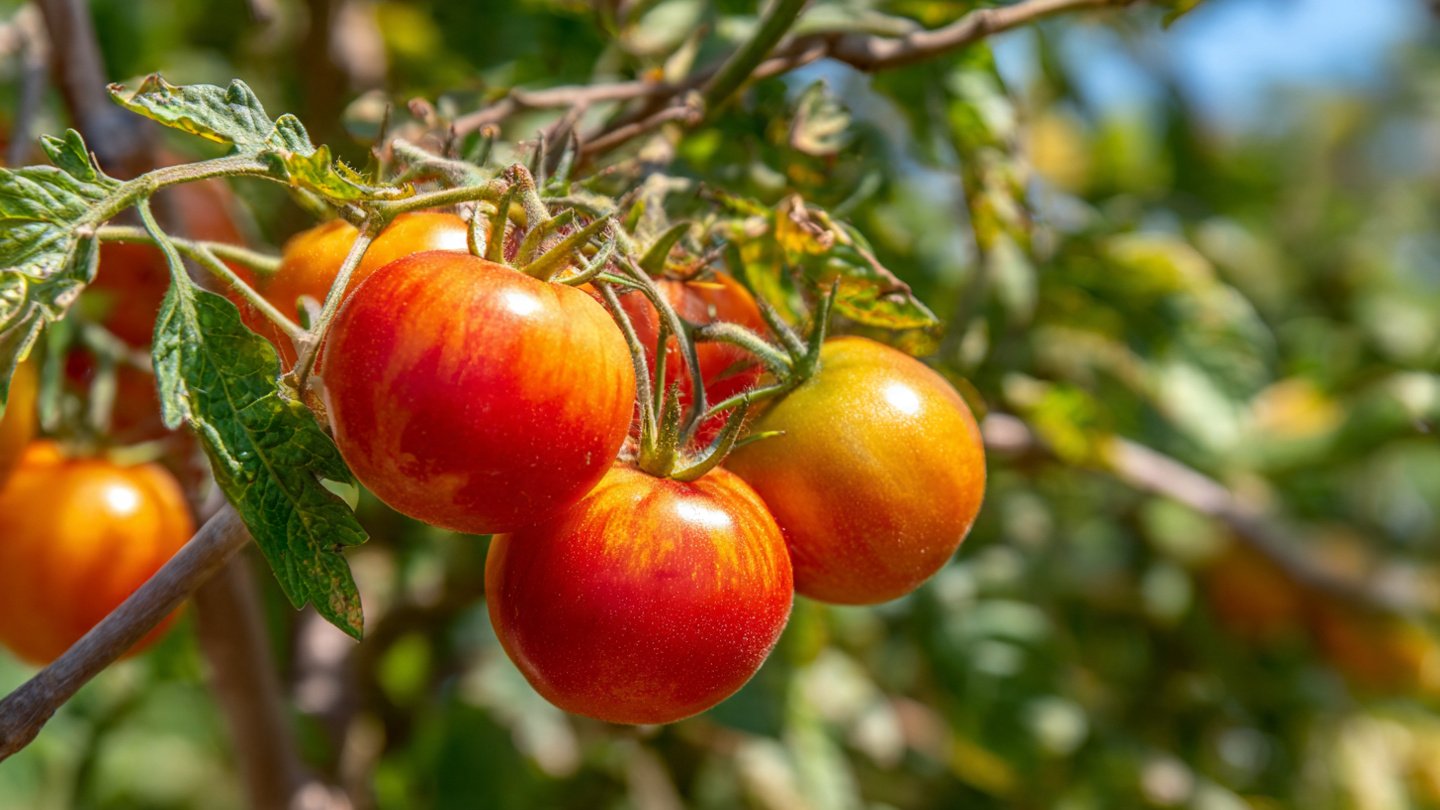
Growing organic tomatoes at home not only provides you with fresh, flavorful produce but also contributes to sustainable gardening practices. The rich flavor of homegrown tomatoes is unmatched by store-bought varieties, and the satisfaction of nurturing your plants adds to the experience. This guide delves into the best practices for cultivating organic tomatoes, enabling you to enjoy a bountiful harvest.
1. Choosing the Right Varieties
Heirloom vs. Hybrid
Latest Posts
- OnePlus 15T Smartphone Unveiled – Featuring 200MP Camera, Snapdragon 8 Elite Gen 5 and Massive Battery
- Lava Yuva 5G Unveiled – 120Hz Display and Strong Performance for Everyday Use
- Nokia 1100 Launched – Premium Keypad Phone Returns at Budget Price ₹2,500
- Motorola G96 5G Unveiled – Featuring Stylish Design, Strong Performance and Advanced Camera Tech
- Vivo Y21d Unveiled – Massive 6000mAh Battery for All-Day Everyday Use
- Nothing Phone 4 Ultra 5G Launched – 16GB RAM, AI-Powered 50MP Camera and Flagship Performance
- OnePlus 5G Smartphone Launched – 300MP AI Camera, 7000mAh Battery & 100W Fast Charging
- Nothing Phone 3a Pro – High processor smartphone for gaming lovers – battery is 5000mAH
- Realme 15 Pro – 3 days battery backup smartphone with 50MP front camera under ₹28,000
- Vivo X200 FE – 12GB RAM + 256GB Storage smartphone with HD quality camera
When starting your organic tomato garden, the first decision is choosing the right variety. Heirloom tomatoes, known for their unique flavors and colors, are open-pollinated and can be saved for future planting. Hybrid varieties, on the other hand, are bred for specific traits such as disease resistance and higher yields.
Popular Heirloom Varieties:
- Brandywine: Known for its sweet flavor and large size.
- Cherokee Purple: A dark, rich tomato with an earthy taste.
- Green Zebra: Striped green and yellow, tangy, and refreshing.
Popular Hybrid Varieties:
- Celebrity: A disease-resistant variety with good flavor.
- Early Girl: Known for its early ripening and productivity.
- Sweet 100: A small cherry variety that is incredibly sweet.
Consider Climate and Space
Select varieties that are suited to your local climate. If space is limited, consider determinate (bushy) varieties that grow to a set height and produce all their fruit at once, or indeterminate (vining) varieties that keep growing and producing throughout the season.
2. Soil Preparation
Testing the Soil
Before planting, it’s essential to test your soil to determine its pH and nutrient levels. Tomatoes thrive in slightly acidic soil with a pH of 6.0 to 6.8. Home testing kits are available at garden centers, or you can send your soil sample to a lab for analysis.
Amending the Soil
Based on the test results, amend your soil with organic matter. Compost, well-rotted manure, and peat moss improve soil structure, provide nutrients, and enhance moisture retention.
Nutrient-Rich Addition
Tomatoes are heavy feeders, so consider incorporating:
- Bone Meal: For phosphorus, which aids in root and flower development.
- Blood Meal: For nitrogen, promoting lush foliage.
- Kelp Meal: Providing trace minerals and enhancing overall health.
3. Planting
Timing
Tomatoes are warm-season crops and should be planted outside after the last frost, typically when soil temperatures reach at least 60°F (15°C).
Spacing
When planting, space your tomato plants according to their growth habits:
- Indeterminate varieties: 24-36 inches apart
- Determinate varieties: 18-24 inches apart
Planting Depth
When planting seedlings, bury them deeper than they were in their pots, up to the first set of true leaves. This allows the plant to develop a stronger root system.
4. Watering Techniques
Consistent Moisture
Tomatoes require consistent moisture, particularly during fruit development. However, avoid overhead watering to prevent fungal diseases. Instead, use drip irrigation or soaker hoses to deliver water directly to the soil.
Mulching
Apply a 2-3 inch layer of organic mulch, such as straw or wood chips, around the base of the plants. Mulch helps retain moisture, suppress weeds, and maintain temperature.
5. Pest and Disease Management
Natural Pest Control
Prevent pests by promoting biodiversity in your garden. Companion planting (e.g., marigolds with tomatoes) can deter pests. Use insecticidal soap or neem oil as organic pest control options if infestations occur.
Common Pests
- Aphids: Small insects sucking sap; use water pressure to dislodge them.
- Tomato Hornworms: Green caterpillars that can defoliate plants; handpick them off.
Disease Prevention
Good cultural practices can ward off diseases. Rotate crops annually, ensure proper spacing for air circulation, and avoid watering the leaves.
Common Diseases
- Blight: A fungal disease that can devastate crops; plants may show dark spots. If affected, remove infected leaves and avoid watering foliage.
- Blossom End Rot: A calcium deficiency causing brown spots on the bottom of tomatoes; ensure consistent watering and add crushed eggshells to the soil.
6. Supporting Your Plants
Staking and Caging
Support your tomato plants as they grow to prevent disease and promote healthy air circulation. Use stakes, cages, or trellises to keep the plants upright. Indeterminate varieties especially benefit from staking.
Pruning
Prune suckers (the small shoots that develop in the leaf axils) to improve air circulation and focus the plant’s energy on fruit production. Regular pruning encourages healthier plants and larger fruit.
7. Harvesting
Timing
Harvest tomatoes when they are fully colored but still firm. A slight give when gently squeezed is a sign of ripeness.
Method
Use garden scissors or clippers to cut the fruit from the vine instead of pulling, which can damage the plant. Handle tomatoes carefully to avoid bruising.
8. Post-Harvest Care
Storage
Store harvested tomatoes at room temperature away from direct sunlight. Refrigeration can alter flavor and texture, so only refrigerate if necessary for overripe tomatoes.
Preservation
Consider preserving excess tomatoes by canning, drying, or freezing. Many organic gardening communities offer classes on these practices, ensuring you can enjoy your harvest.
FAQs
1. How can I ensure my tomatoes are organic?
Choose organic seeds or seedlings, avoid synthetic fertilizers and pesticides, and practice crop rotation and companion planting.
2. Can I grow tomatoes in containers?
Yes, containers work well for tomatoes. Choose at least a 5-gallon pot, and ensure good drainage. Use high-quality potting soil enriched with organic matter.
3. Why are my tomato plants not producing fruit?
Insufficient pollination, extreme temperatures, or nutritional deficiencies can hinder fruit production. Ensure consistent watering, proper fertilization, and good air circulation.
4. What is the best organic fertilizer for tomatoes?
Use balanced organic fertilizers such as fish emulsion, compost tea, or worm castings to provide essential nutrients without harmful chemicals.
5. How do I know if my tomatoes are ripe?
Ripe tomatoes will have a full, rich color with a slight softness when gently squeezed. The fragrance also intensifies when they are ready to harvest.
6. Can I save seeds from my organic tomatoes for next year?
Yes, saving seeds from heirloom varieties is a great practice. Ensure they are properly fermented, dried, and stored in a cool, dark place.
7. What common mistakes should I avoid while growing tomatoes?
Avoid overwatering, which can lead to root rot, planting in poor soil, and neglecting pest management, as these can all undermine your efforts.
Growing organic tomatoes at home can be a rewarding experience filled with delicious moments. By following these best practices, you’ll be well on your way to enjoying a plentiful harvest all season long. Happy gardening!