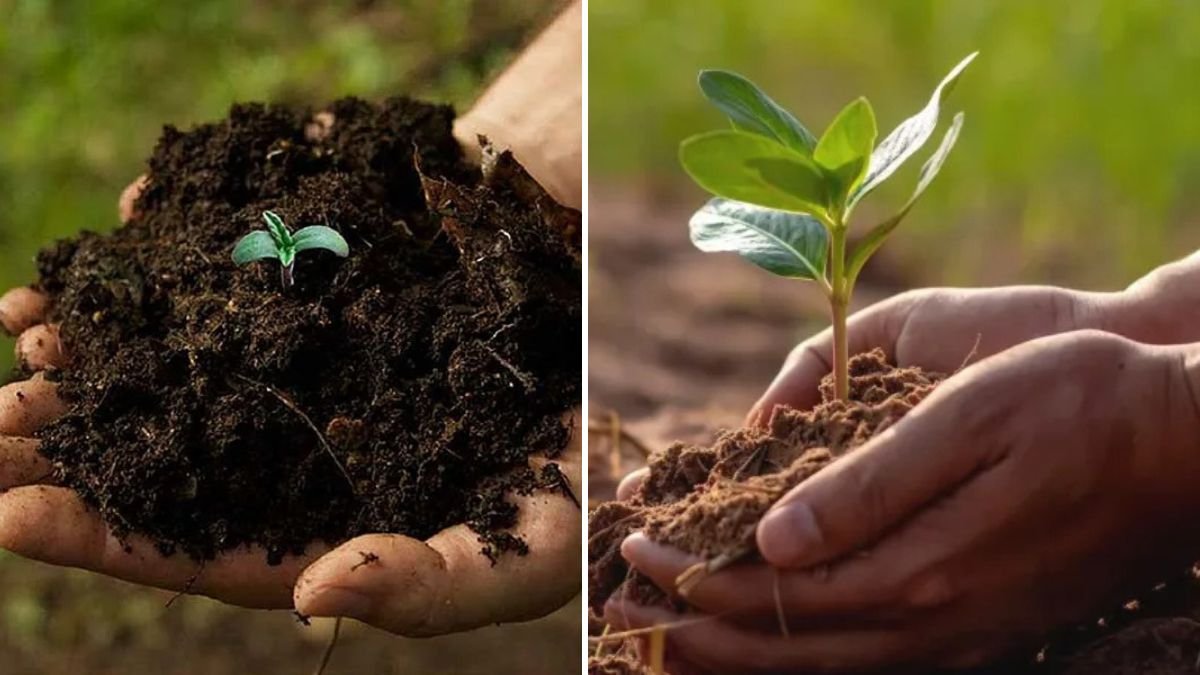
Healthy roots are the foundation of robust plant growth, impacting everything from nutrient absorption to overall plant vigor. For gardeners and farmers looking to enhance rooting speed organically, there are several techniques that can be employed. This article will explore various organic methods to accelerate rooting, ensuring healthy plant development.
Understanding Root Development
Before diving into the methods, it’s important to understand root development. Roots serve multiple functions, including:
Latest Posts
- OnePlus 15T Smartphone Unveiled – Featuring 200MP Camera, Snapdragon 8 Elite Gen 5 and Massive Battery
- Lava Yuva 5G Unveiled – 120Hz Display and Strong Performance for Everyday Use
- Nokia 1100 Launched – Premium Keypad Phone Returns at Budget Price ₹2,500
- Motorola G96 5G Unveiled – Featuring Stylish Design, Strong Performance and Advanced Camera Tech
- Vivo Y21d Unveiled – Massive 6000mAh Battery for All-Day Everyday Use
- Nothing Phone 4 Ultra 5G Launched – 16GB RAM, AI-Powered 50MP Camera and Flagship Performance
- OnePlus 5G Smartphone Launched – 300MP AI Camera, 7000mAh Battery & 100W Fast Charging
- Nothing Phone 3a Pro – High processor smartphone for gaming lovers – battery is 5000mAH
- Realme 15 Pro – 3 days battery backup smartphone with 50MP front camera under ₹28,000
- Vivo X200 FE – 12GB RAM + 256GB Storage smartphone with HD quality camera
- Nutrient Uptake: Roots absorb essential nutrients and water from the soil.
- Stability: They anchor the plant in place, which is vital for growth.
- Storage: Roots can store energy and nutrients for the plant’s use during dormancy.
Rooting speed can be influenced by genetics, environmental conditions, and the culture methods employed. Optimizing these factors can significantly boost rooting efficiency.
Organic Methods to Enhance Rooting Speed
1. Quality Soil Preparation
Healthy soil acts as the foundation for root growth. Consider these aspects:
- Organic Matter: Incorporate compost, worm castings, or well-rotted manure into your soil. Organic matter improves soil structure, aeration, and moisture retention.
- pH Levels: Test and adjust the soil pH as necessary. Most plants prefer a pH between 6.0 and 7.0. You can amend the soil using natural ingredients like lime (to raise pH) or sulfur (to lower it).
2. Rooting Hormones
While synthetic rooting hormones are common, there are organic alternatives. Natural substances that can stimulate rooting include:
-
Willow Water: Derived from young willow branches, this provides natural auxins which promote root development. Simply soak chopped willow branches in water for 24-48 hours and use the infusion to water your cuttings.
-
Honey: Its natural antimicrobial properties and sugars can promote root growth. Dip the cut ends of your plant cuttings in honey before planting.
-
Aloe Vera: This succulent contains growth hormones that can significantly enhance rooting. Cut a section of Aloe Vera, extract the gel, and apply it to your cutting before planting.
3. Proper Temperature and Humidity
Temperature and humidity play crucial roles in root development:
- Propagation Environment: For cuttings, maintain a warm (around 75-80°F) and humid environment. A mini-greenhouse or humidity dome can be helpful.
- Mist and Watering: Regularly mist the cuttings to maintain humidity but avoid overwatering, which can lead to rot. Use a spray bottle to provide moisture without saturating the soil.
4. Pruning and Cutting Techniques
The way you prune and take cuttings can impact rooting speed:
-
Angle of Cut: Make cuts at a 45-degree angle to increase the surface area exposed to the soil. This allows for better moisture absorption.
-
Node Selection: Ensure that each cutting has at least one node, as this is where roots will develop. Removing lower leaves can redirect energy toward root growth.
5. Companion Planting
Certain plants can support each other’s growth:
- Nitrogen-Fixing Plants: Include legumes like clover or peas, which can enrich the soil with nitrogen, benefiting other plants’ root systems.
- Mycorrhizal Fungi: This symbiotic relationship between fungi and plant roots enhances nutrient uptake. You can introduce mycorrhizal spores into your soil when planting.
6. Mulching
Applying organic mulch helps retain moisture in the soil, regulate temperature, and reduce weed competition:
- Types of Mulch: Use straw, wood chips, or shredded leaves. They break down over time, further enriching the soil.
- Layering: Apply a 2-3 inch layer of mulch, ensuring that it doesn’t directly touch the stem of your plants to prevent rot.
7. Organic Fertilizers
Utilizing organic fertilizers can enhance plant growth and root development:
- Fish Emulsion: Rich in nitrogen and trace elements, fish emulsion can stimulate root growth when applied as a foliar spray or soil drench.
- Compost Tea: Soaking compost in water for several days creates a nutrient-rich solution that can boost root health.
8. Water Management
Proper watering techniques are essential:
-
Deep Watering: Ensure water penetrates deeply into the soil rather than just wetting the surface. This encourages roots to grow deeper where moisture and nutrients reside.
-
Consistent Moisture: Maintain consistent soil moisture without waterlogging. Drip irrigation systems can provide efficient and even moisture distribution.
9. Avoid Chemical Pesticides
Chemical treatments can hinder root development. Instead, opt for organic pest control methods such as:
-
Neem Oil: Effective against a range of pests, neem oil is a natural pesticide that protects without harming beneficial microbes in the soil.
-
Companion Plants: Certain plants repel pests naturally; for example, marigolds deter nematodes.
10. Patience and Observation
Finally, patience is essential in gardening:
- Observe Plant Growth: Keep an eye on emerging roots and overall plant health. Adapting techniques based on observation can lead to better results.
- Experimenting: Every plant is different. Don’t hesitate to try new methods to see what works best for your specific plants and conditions.
FAQs
1. How long does it take for plant cuttings to develop roots using these methods?
It generally takes anywhere from a few days to several weeks for cuttings to root, depending on the plant species and environmental conditions. Patience is key!
2. Can I use store-bought rooting hormones instead of organic methods?
While store-bought rooting hormones can be effective, using organic alternatives can be just as successful and are safer for the environment.
3. What signs indicate that my cuttings have formed roots?
Look for new growth, such as leaves or stems, and gently tug on the cutting; resistance can indicate root development. You can also check for roots by carefully removing the cutting from its medium.
4. Is it necessary to use a humidity dome for all plant cuttings?
While not always necessary, a humidity dome can significantly improve rooting success for certain species, particularly those requiring high humidity levels.
5. How do I know the best time of year to take cuttings?
Generally, spring is the best time to take cuttings as plants are actively growing. However, many trees and shrubs can also be propagated in late summer or fall.
6. Can I propagate all plants using these methods?
Most plants can be propagated using the methods described, but some may be more suitable for certain techniques. Research specific plant propagation requirements for optimal results.
Conclusion
Accelerating rooting speed through organic methods is not only beneficial for plant health but also contributes to sustainable gardening practices. By leveraging the power of quality soil, natural rooting hormones, proper environmental conditions, and effective watering techniques, gardeners can ensure robust root development. Patience, observation, and experimentation are vital components of successful propagation, leading to thriving plants that contribute positively to any garden or landscape.