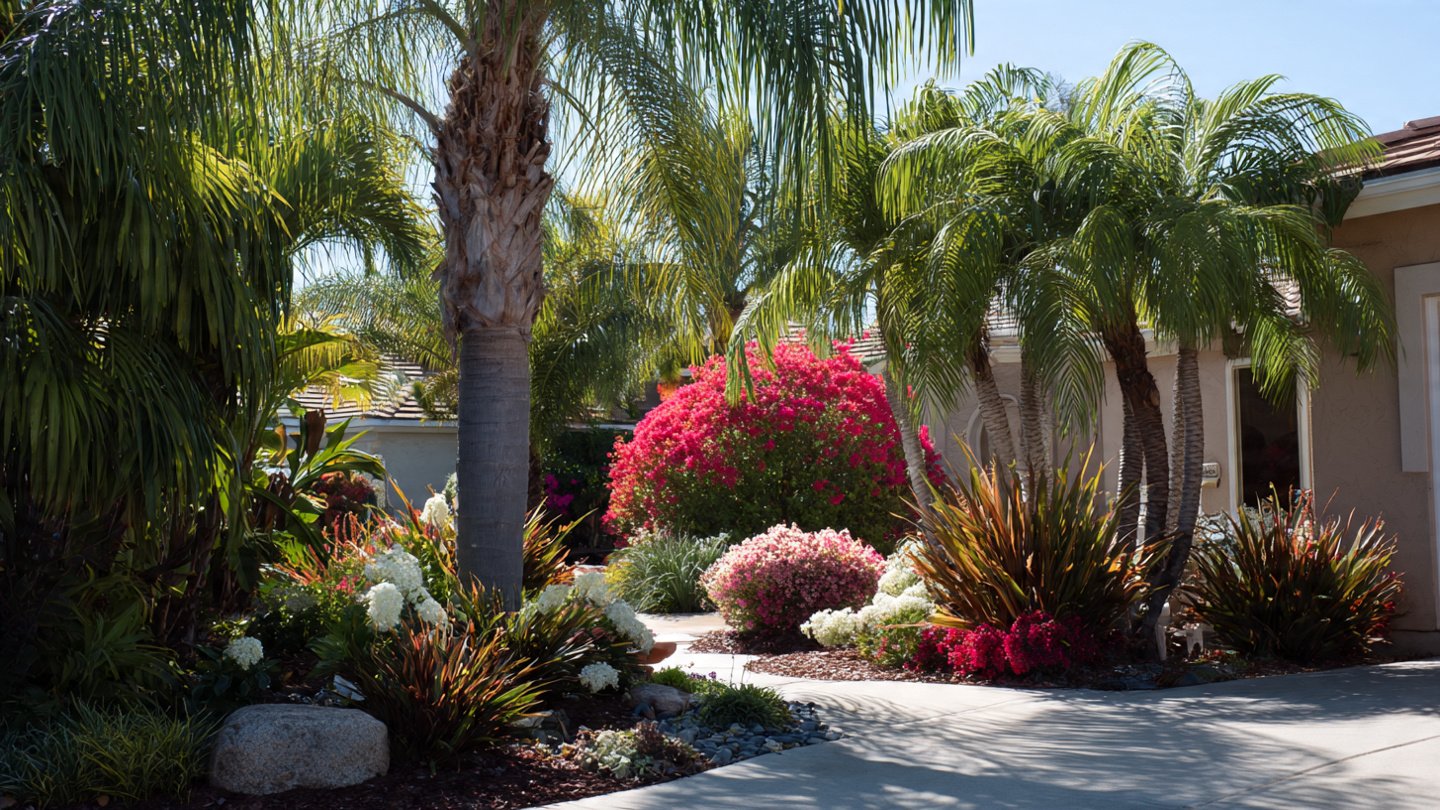
The foxtail palm (Wodyetia bifurcata) is a striking tropical tree that adds elegance and vibrancy to any landscape. Originating from Australia, this palm is characterized by its bushy crown of long, feathery fronds that resemble a fox’s tail, hence the name. Growing a foxtail palm in your front yard can enhance curb appeal, provide shade, and create a tranquil ambiance. This guide will give you all the information you need to successfully cultivate this magnificent palm and maintain its health and beauty.
1. Understanding the Foxtail Palm
Before embarking on the journey to plant a foxtail palm, it’s crucial to understand its characteristics:
Latest Posts
- OnePlus 15T Smartphone Unveiled – Featuring 200MP Camera, Snapdragon 8 Elite Gen 5 and Massive Battery
- Lava Yuva 5G Unveiled – 120Hz Display and Strong Performance for Everyday Use
- Nokia 1100 Launched – Premium Keypad Phone Returns at Budget Price ₹2,500
- Motorola G96 5G Unveiled – Featuring Stylish Design, Strong Performance and Advanced Camera Tech
- Vivo Y21d Unveiled – Massive 6000mAh Battery for All-Day Everyday Use
- Nothing Phone 4 Ultra 5G Launched – 16GB RAM, AI-Powered 50MP Camera and Flagship Performance
- OnePlus 5G Smartphone Launched – 300MP AI Camera, 7000mAh Battery & 100W Fast Charging
- Nothing Phone 3a Pro – High processor smartphone for gaming lovers – battery is 5000mAH
- Realme 15 Pro – 3 days battery backup smartphone with 50MP front camera under ₹28,000
- Vivo X200 FE – 12GB RAM + 256GB Storage smartphone with HD quality camera
- Height: A mature foxtail palm can reach heights of up to 30 feet (9 meters), making it suitable for spacious yards.
- Frond Shape: The tree features long, feathery fronds that can grow up to 5 feet (1.5 meters) in length, creating a lush canopy.
- Growth Rate: Foxtail palms grow relatively quickly, typically achieving significant height and girth in just a few years under the right conditions.
- Drought Tolerance: Once established, they can withstand periods of drought but prefer consistent watering.
2. Selecting the Right Location
Choosing the right location is paramount to the successful growth of the foxtail palm. Consider the following factors:
- Sunlight: Foxtail palms thrive in full sun to partial shade. Ideally, they should receive at least 6-8 hours of direct sunlight each day.
- Space: Ensure you have ample room for the palm to grow. Given its height and fronds, a distance of at least 10-15 feet (3-5 meters) from any structures or other plants is ideal.
- Soil Quality: Foxtail palms prefer well-draining, sandy soils. If your soil is compact or heavy clay, consider amending it with organic matter or planting in a raised bed.
3. Soil Preparation
Preparing the soil is essential for the successful establishment of your foxtail palm:
- Testing Soil pH: The ideal pH for foxtail palms ranges from 5.5 to 7.0. You can test your soil using a home testing kit available at garden centers.
- Improving Drainage: To improve drainage, you can mix sand or perlite into your garden soil. This will prevent water pooling around the roots, which can lead to rot.
- Nutrient Enrichment: Mix compost or well-rotted manure into the soil to enhance nutrient content. This will support healthy growth in the early stages.
4. Planting the Foxtail Palm
Once you’ve selected the location and prepared the soil, it’s time to plant your foxtail palm:
- Timing: The best time to plant foxtail palms is during the warm months of spring or early summer when the risk of frost has passed.
- Dig the Hole: Dig a hole that is twice as wide and just as deep as the root ball of the palm. This allows for adequate aeration and encourages root growth.
- Planting Depth: Place the palm in the hole, ensuring that the top of the root ball is level with or slightly above the surrounding soil. This prevents water from pooling at the base.
- Backfill and Water: Fill the hole with soil, gently tamping it down to eliminate air pockets. Water the palm thoroughly to help it settle in.
5. Caring for Your Foxtail Palm
After planting, ongoing care is crucial for the palm’s health and longevity. Here’s a breakdown of care tasks:
5.1 Watering
- Initial Period: During the first year after planting, water the palm regularly, allowing the soil to dry out slightly between waterings.
- Established Trees: Once established, foxtail palms typically require watering every 1-2 weeks. Adjust frequency based on rain and temperature.
5.2 Fertilization
- Type of Fertilizer: Use a slow-release fertilizer high in potassium and magnesium, specifically formulated for palms. This promotes healthy frond development and vibrant color.
- Timing: Fertilize every 3-4 months during the growing season (spring and summer), tapering off in the fall.
5.3 Pruning
- When to Prune: Pruning should be minimal as foxtail palms naturally shed their lower fronds. Remove dead or damaged fronds as needed, but avoid cutting healthy fronds as this can stress the tree.
- Technique: Always use clean, sharp tools to make precise cuts, reducing the risk of disease.
5.4 Pest Management
- Common Pests: Look out for scale insects and spider mites. Regular inspection of the palm can help catch infestations early.
- Control Methods: Use insecticidal soap or neem oil as eco-friendly solutions for pest control. In severe cases, consult a professional pest control service.
6. Dealing with Common Problems
Despite their resilience, foxtail palms can encounter several issues:
- Leaf Discoloration: Yellowing or browning leaves may indicate nutrient deficiencies (usually nitrogen) or overwatering.
- Root Rot: Overwatering or poor drainage can lead to root rot. Ensure the palm isn’t sitting in waterlogged soil.
- Fungal Diseases: Fungal infections can occur in humid environments. Keeping the palm well-air-conditioned and pruned can help.
7. Creating a Beautiful Landscape Design
Integrating a foxtail palm into your front yard landscape enhances its aesthetic appeal. Here are some design tips:
- Grouping Plantings: Pair the foxtail palm with other tropical plants, such as hibiscus or banana trees, for a lush, exotic feel.
- Mulching: Use organic mulch around the base to suppress weeds and retain moisture. This also adds a finished look to the garden bed.
- Lighting: Consider installing landscape lighting to highlight the palm at night, creating a stunning visual effect.
8. Winter Protection (if applicable)
In regions with cooler climates, although foxtail palms are somewhat frost-resistant, extra care may be necessary during winter months:
- Covering: Use frost cloths or burlap to cover young palms during freezing temperatures.
- Mulching: Apply a thicker layer of mulch around the base to protect the roots.
FAQs
Q1: How fast does a foxtail palm grow?
A: Foxtail palms are fast-growing, reaching heights of around 10-15 feet (3-4.5 meters) in about 5-7 years under optimal conditions.
Q2: Can foxtail palms be grown in pots?
A: While it is possible to grow foxtail palms in pots, they do best when planted in the ground due to their size and root system. Ensure the pot has ample drainage.
Q3: What temperature can foxtail palms tolerate?
A: Foxtail palms thrive in temperatures between 65°F and 90°F (18°C to 32°C). They are not frost-tolerant and may suffer if exposed to temperatures below 30°F (-1°C).
Q4: Do foxtail palms produce fruit?
A: Yes, foxtail palms produce small, round fruit that ripens to a reddish color. However, the fruit is not typically considered edible.
Q5: What is the average lifespan of a foxtail palm?
A: In ideal conditions, a foxtail palm can live for 50 years or more, providing beauty to your landscape for generations.
Conclusion
Growing a foxtail palm can significantly enhance the beauty and appeal of your front yard. By understanding its needs and providing proper care, you can cultivate a healthy, thriving tree that offers shade and aesthetic pleasure. With the right knowledge and careful attention, your foxtail palm will flourish, becoming a cherished part of your home for years to come. Happy planting!