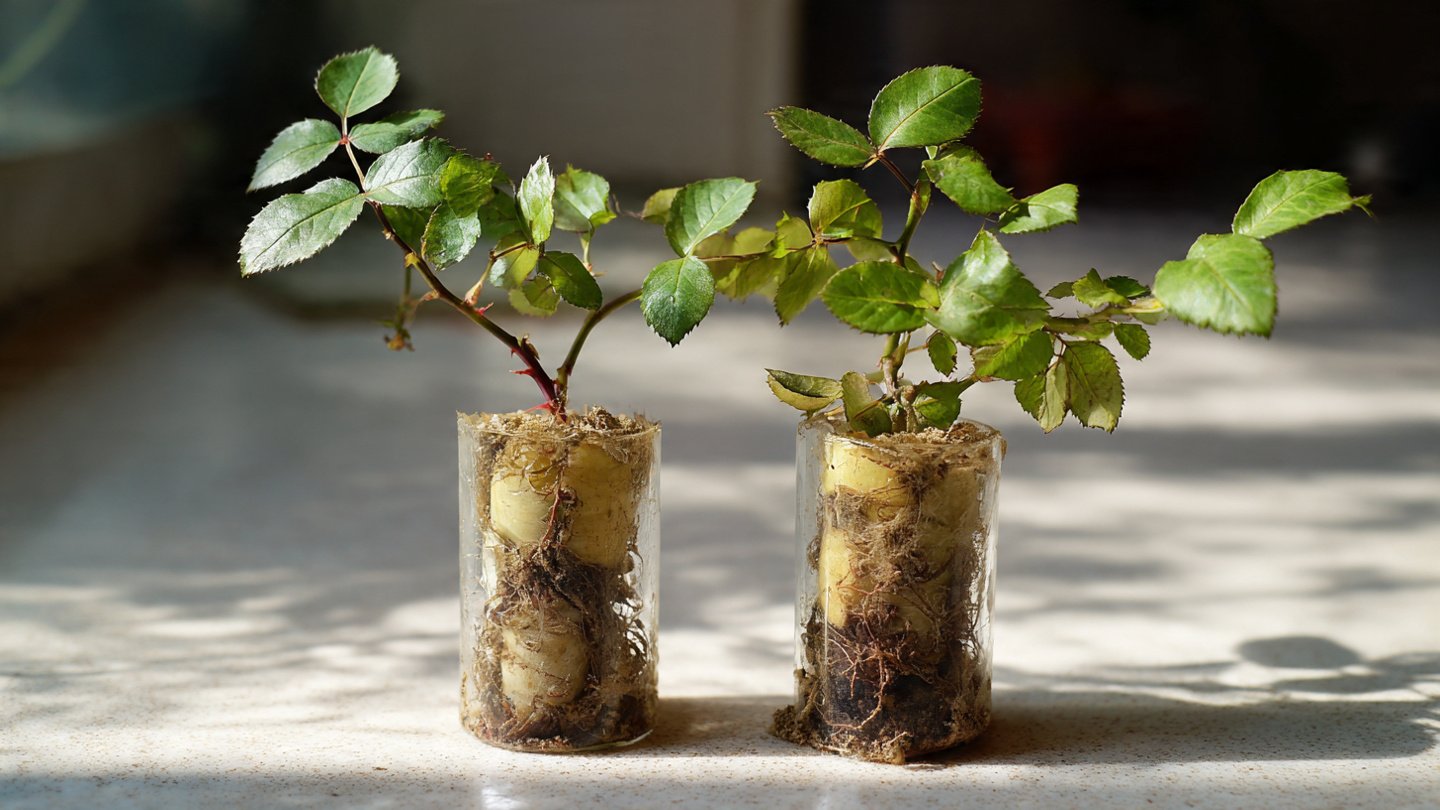
Rose gardening is a rewarding yet challenging aspect of horticulture that many gardeners cherish. One of the best ways to propagate roses is through cuttings, allowing you to cultivate new plants that replicate the beauty of your favorites. Among various propagation methods, rooting cuttings in sand is particularly effective, offering excellent drainage and reducing the risk of rot. This article will provide an easy-to-follow guide on successfully rooting rose cuttings in sand, complete with tips, techniques, and a comprehensive FAQs section.
Why Choose Sand for Rooting Cuttings?
Sand offers several advantages as a rooting medium:
Latest Posts
- OnePlus 15T Smartphone Unveiled – Featuring 200MP Camera, Snapdragon 8 Elite Gen 5 and Massive Battery
- Lava Yuva 5G Unveiled – 120Hz Display and Strong Performance for Everyday Use
- Nokia 1100 Launched – Premium Keypad Phone Returns at Budget Price ₹2,500
- Motorola G96 5G Unveiled – Featuring Stylish Design, Strong Performance and Advanced Camera Tech
- Vivo Y21d Unveiled – Massive 6000mAh Battery for All-Day Everyday Use
- Nothing Phone 4 Ultra 5G Launched – 16GB RAM, AI-Powered 50MP Camera and Flagship Performance
- OnePlus 5G Smartphone Launched – 300MP AI Camera, 7000mAh Battery & 100W Fast Charging
- Nothing Phone 3a Pro – High processor smartphone for gaming lovers – battery is 5000mAH
- Realme 15 Pro – 3 days battery backup smartphone with 50MP front camera under ₹28,000
- Vivo X200 FE – 12GB RAM + 256GB Storage smartphone with HD quality camera
- Excellent Drainage: Sand allows water to flow freely, preventing the cutting from becoming waterlogged.
- Aeration: Good air circulation around roots is crucial for healthy growth.
- Sterility: Clean sand reduces the risk of fungal diseases infecting the cuttings.
- Cost-Effective: Sand is often more affordable and accessible than other rooting mediums like potting soil.
Step-by-Step Guide for Rooting Rose Cuttings in Sand
Step 1: Gather Your Materials
To begin your propagation journey, gather the following materials:
- Healthy Rose Plant: Choose a vigorous, disease-free plant.
- Sharp Pruning Shears: To make clean cuts and reduce damage to the plant.
- Sand: Clean, coarse sand is ideal. Avoid beach sand, as it may contain salt and other impurities.
- Rooting Hormone (optional): Although not necessary, rooting hormones can increase the chances of successful rooting.
- Container: A pot, tray, or container with drainage holes will work.
- Plastic Bag or Plastic Dome: To create a humid environment for the cuttings.
Step 2: Selecting and Preparing Cuttings
-
Choose the Right Time: The best time to take cuttings is during the growing season, typically in spring or early summer.
-
Select the Cuttings: Look for healthy stems that are at least 6 inches long. Make sure they’re semi-hardwood, meaning they’re more mature but still flexible.
-
Make the Cut: With clean, sharp shears, make a diagonal cut just below a leaf node to maximize the surface area for rooting. It also helps if the cutting has a few leaves, about two or three, left intact.
-
Remove Lower Leaves: Strip off the leaves on the lower part of the cutting to reduce moisture loss and encourage energy to focus on root development.
-
Optional – Apply Rooting Hormone: If you’re using rooting hormone, dip the cut end of the stem into the powder and tap off any excess.
Step 3: Prepare the Sand Medium
-
Moisten the Sand: Before planting your cuttings, moisten the sand with water. It should be damp but not waterlogged.
-
Fill the Container: Fill your container with the moistened sand, leaving a few inches of space at the top for planting the cuttings.
Step 4: Plant the Cuttings
-
Create Holes: Use a pencil or similar tool to create holes in the sand for each cutting. This prevents disturbance of the sand when you insert the cuttings.
-
Insert Cuttings: Place each cutting into the hole gently and firm the sand around the base to support the cutting while ensuring good soil contact.
-
Spacing: Space the cuttings approximately 2 to 4 inches apart to allow for air circulation and room for growth.
Step 5: Create a Humid Environment
Cover the container with a plastic bag or plastic dome to maintain humidity. This step is crucial because it mimics the high humidity levels that cuttings need to thrive. Ensure the plastic does not touch the cuttings directly to prevent them from rotting.
Step 6: Place in a Suitable Location
-
Lighting: Place the container in a location that generates bright, indirect light. Avoid direct sunlight, which can scorch the cuttings.
-
Temperature: An ideal temperature range for rooting is between 65°F and 75°F (18°C to 24°C).
Step 7: Monitor Moisture Levels
Check the sand regularly to ensure it remains moist. If needed, mist the cuttings lightly with water to maintain humidity, but avoid saturating the medium.
Step 8: Wait for Root Development
This stage requires patience. Roots typically begin to form within 4 to 6 weeks, but some varieties may take longer. You can test for root development by gently tugging on the cuttings; resistance usually indicates root growth.
Step 9: Transplanting
Once roots have developed (generally 3 to 4 inches long), it’s time to transplant your rooted cuttings into individual pots with potting soil.
-
Prepare New Pots: Fill small pots with a high-quality potting mix.
-
Transplant Carefully: Gently extract the rooted cuttings from the sand, taking care not to damage the roots, and transplant them into the prepared pots.
-
Water: After transplanting, water the cuttings thoroughly and place them in a location with indirect light to help reduce transplant shock.
Step 10: Care for Your New Roses
Over the next few months, care for the juvenile roses to help them acclimate and thrive. Ensure they receive adequate water and gradually introduce them to more sunlight as they grow.
Additional Tips for Success
- Label: If propagating multiple varieties, label your cuttings to keep track of them.
- Pest Control: Watch for pests like aphids or spider mites, which can negatively impact young plants.
- Be Patient: Rose propagation can require time and practice, so don’t be disheartened by any failures initially.
FAQs
1. How long does it take for rose cuttings to root in sand?
Typically, it takes about 4 to 8 weeks for rose cuttings to root in sand.
2. Can I use beach sand for rooting cuttings?
It’s not recommended, as beach sand may contain salt and other impurities that can harm the cutting.
3. Do I need to use rooting hormone?
While it can increase the chance of successful rooting, rooting hormone is not strictly necessary for roses. Many gardeners succeed without it.
4. What types of roses are easiest to propagate?
Hybrid teas, floribundas, and climbing roses tend to be easier to propagate compared to older varieties.
5. Should I keep the cuttings in direct sunlight?
No, keep cuttings in bright, indirect light. Direct sunlight can scorch the cuttings and hinder root development.
6. How do I know if my cuttings have successfully rooted?
Small signs of growth, such as new leaves or resistance when you gently pull the cutting, usually indicate that roots are forming.
7. Can I root multiple cuttings in the same container?
Yes, but ensure they are spaced adequately apart to allow for airflow and to prevent competition for nutrients.
Conclusion
Rooting rose cuttings in sand is a straightforward and effective method for gardeners looking to expand their rose collections. By following the steps outlined above and being patient, you can create a thriving garden of roses that bring joy and beauty for years to come. Happy gardening!