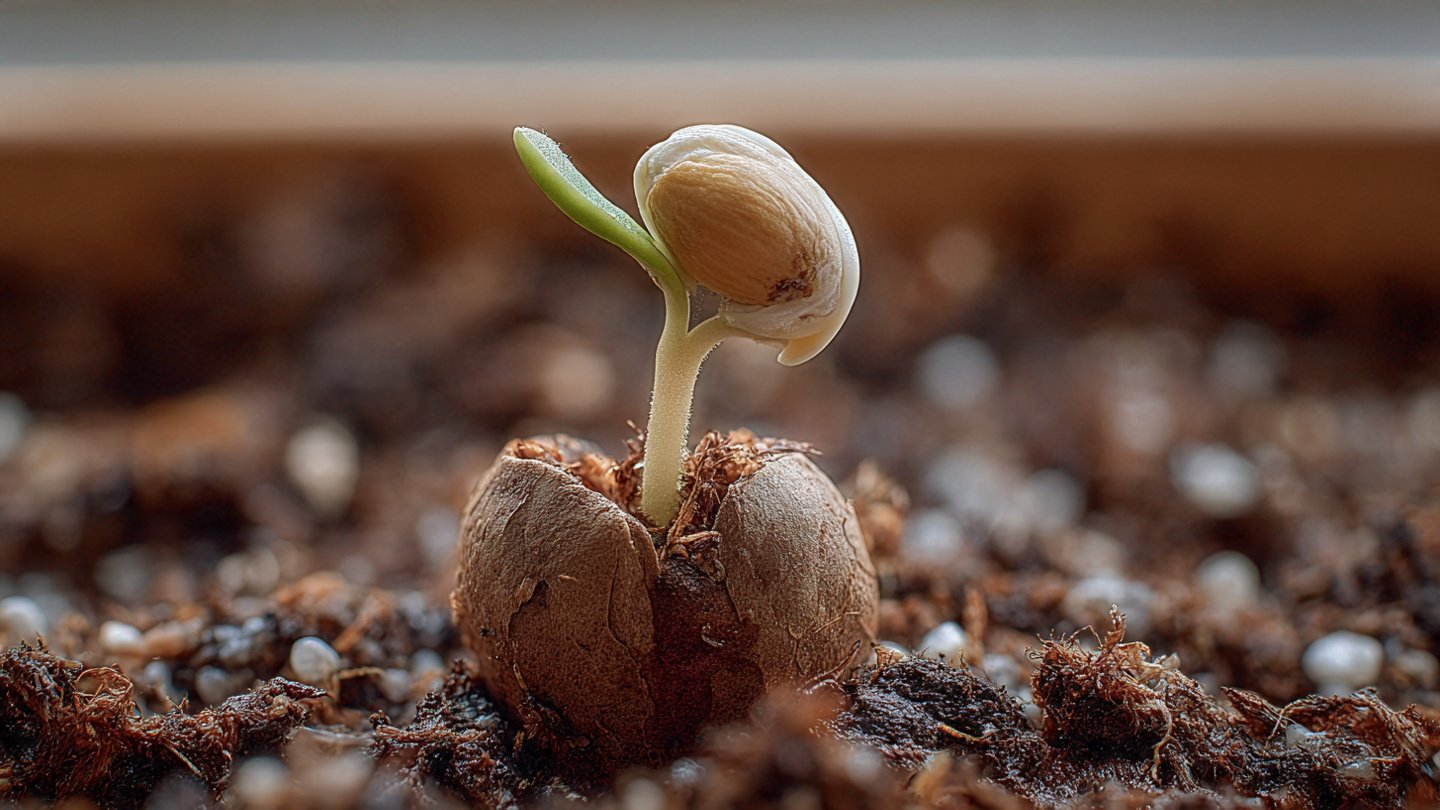
Growing apple trees from seeds can be a rewarding endeavor, allowing you to cultivate unique varieties right in your backyard. Although it may seem daunting, with the right techniques, you can successfully germinate apple seeds at home. This article will guide you through the entire process, from selecting the best seeds to planting the young saplings.
Understanding Apple Seeds
Types of Apples
Latest Posts
- OnePlus 15T Smartphone Unveiled – Featuring 200MP Camera, Snapdragon 8 Elite Gen 5 and Massive Battery
- Lava Yuva 5G Unveiled – 120Hz Display and Strong Performance for Everyday Use
- Nokia 1100 Launched – Premium Keypad Phone Returns at Budget Price ₹2,500
- Motorola G96 5G Unveiled – Featuring Stylish Design, Strong Performance and Advanced Camera Tech
- Vivo Y21d Unveiled – Massive 6000mAh Battery for All-Day Everyday Use
- Nothing Phone 4 Ultra 5G Launched – 16GB RAM, AI-Powered 50MP Camera and Flagship Performance
- OnePlus 5G Smartphone Launched – 300MP AI Camera, 7000mAh Battery & 100W Fast Charging
- Nothing Phone 3a Pro – High processor smartphone for gaming lovers – battery is 5000mAH
- Realme 15 Pro – 3 days battery backup smartphone with 50MP front camera under ₹28,000
- Vivo X200 FE – 12GB RAM + 256GB Storage smartphone with HD quality camera
Apple seeds can come from various apple varieties, each yielding unique fruits. Popular types include:
- Honeycrisp: Known for its sweetness and texture.
- Granny Smith: Tart and firm, great for baking.
- Fuji: Sweet and juicy, perfect for snacking.
- Gala: Sweet with a mild flavor, often enjoyed fresh.
Choosing seeds from naturally grown, disease-free apples ensures a higher chance of germination success.
Genetic Considerations
It’s important to note that apple trees grown from seeds may not yield fruits identical to their parent trees. This is because apples do not breed true from seed. For those seeking to replicate a specific variety, consider grafting as an alternative method.
Preparatory Steps for Germination
1. Seed Extraction
To start, you must extract the seeds from an apple. Follow these steps:
- Choose Your Apple: Select a ripe, organic apple.
- Cut the Apple: Slice the apple in half and remove the seeds carefully.
- Clean the Seeds: Rinse the seeds under cool water to remove any pulp and residual sugars, as these can lead to mold.
2. Seed Stratification
Apple seeds require a cold stratification period to mimic winter conditions, which helps break dormancy.
-
Method: Place the seeds in a moist paper towel. Wrap them gently and place them inside a zip-lock bag. Store the bag in the refrigerator for about 6 to 8 weeks.
-
Check Moisture: Ensure the towel remains damp but not soggy. Check weekly to maintain moisture levels.
Stratification helps prepare the seeds for germination by simulating seasonal changes they would experience in nature.
The Germination Process
Once the stratification period is complete, follow these steps to germinate your seeds.
1. Choosing the Right Soil
Apple seeds thrive best in well-draining potting soil. Look for mixes that contain:
- Peat moss
- Perlite or vermiculite
- Organic compost
2. Planting the Seeds
After stratification, it’s time to plant the seeds.
- Fill Containers: Choose containers with drainage holes and fill them with the soil mix.
- Moisten the Soil: Lightly water the soil until it’s evenly moist.
- Plant the Seeds: Plant the seeds about half an inch deep, spacing them a few inches apart.
- Cover and Water: Cover the seeds lightly with soil and water gently.
3. Creating the Ideal Environment
Apple seeds need warmth and humidity to germinate successfully.
- Location: Place the containers in a warm, sunny spot, ideally where temperatures range between 68°F to 75°F (20°C to 24°C).
- Humidity Dome: To maintain humidity, cover the containers with plastic wrap or a humidity dome, ensuring air circulation to prevent mold.
Caring for Seedlings
Once the seeds germinate, which may take 2 to 6 weeks, you need to take proper care of the seedlings.
1. Thin Out Seedlings
If multiple seeds germinate in one container:
- Thinning: Choose the healthiest seedlings to keep, cutting away the weaker ones at the soil line. This prevents overcrowding and gives each seedling room to grow.
2. Watering
Keep the soil consistently moist but not waterlogged.
- Checking Moisture: Test soil moisture by sticking your finger about an inch deep into the soil. If it feels dry, it’s time to water.
3. Providing Nutrients
Once seedlings develop their first true leaves, begin fertilizing:
- Fertilizer Options: Use a diluted liquid fertilizer that’s high in potassium and phosphorus. Follow instructions for proper dilution.
4. Transplanting
Once seedlings reach around 6 inches tall and have multiple leaves:
- Transplanting Time: Move them into larger pots or directly into your garden, ensuring they have adequate space to grow.
Outdoor Planting Considerations
Plant the young trees outdoors after the last frost in spring. Here are some tips:
1. Choosing a Planting Site
Apple trees require full sun and well-draining soil. Check the following conditions:
- Sunlight: Aim for at least 6 hours of direct sunlight.
- Soil Quality: Test the soil pH, ideally between 6.0 and 7.0.
2. Spacing
If planting multiple apple trees, space them adequately to allow for growth:
- Standard Trees: Aim for 20 to 30 feet apart.
- Dwarf Trees: Space them about 5 to 10 feet apart.
3. Protecting Young Trees
Protect young trees from pests, diseases, and harsh weather by:
- Mulching: Apply a layer of organic mulch to retain moisture and suppress weeds.
- Fencing: Consider a fence to keep deer and other animals away.
Common Challenges in Apple Seed Germination
1. Low Germination Rates
If seeds don’t germinate, it could be due to factors like:
- Old Seeds: Ensure you use fresh seeds for better success.
- Improper Stratification: Double-check your stratification method.
2. Wilting Seedlings
Wilting may indicate inadequate water or excessive heat. Adjust your watering schedule or add shade if necessary.
3. Pests and Diseases
Monitor for common tree pests like aphids or spider mites and use organic pest control methods as needed.
Frequently Asked Questions (FAQs)
1. How long does it take for apple seeds to germinate?
Generally, apple seeds take 2 to 6 weeks to germinate after planting.
2. Can I grow apples from store-bought apples?
Yes, seeds from store-bought apples can germinate, but they may not yield the same variety.
3. Do I need to stratify seeds from store-bought apples?
Yes, stratification is necessary to mimic natural winter conditions, regardless of where the seeds come from.
4. How long will it take for an apple tree to produce fruit?
Typically, apple trees grown from seeds will take about 5 to 10 years to produce fruit, depending on the variety and growing conditions.
5. Can I grow apple trees indoors?
Yes, dwarf varieties can be grown indoors if they receive enough light, but make sure they have adequate space and airflow.
6. What’s the best fertilizer for apple seedlings?
Use a balanced, water-soluble fertilizer with higher potassium and phosphorus levels once the seedlings develop their first true leaves.
7. How often should I water apple seedlings?
Water them regularly, keeping the soil consistently moist but not soggy. Check soil moisture regularly.
8. Can I grow different apple varieties together?
Yes, but make sure to consider pollination needs. Some apple varieties require cross-pollination to produce fruit.
Conclusion
Growing apple trees from seeds at home is a fulfilling experience that connects you with nature and the basic principles of horticulture. By selecting the right seeds, following the germination process carefully, and providing proper care, you can enjoy the sight of flourishing apple trees in your backyard. While it may take time and patience, the rewards of eventually harvesting your homegrown apples will make the journey worthwhile. Happy planting!