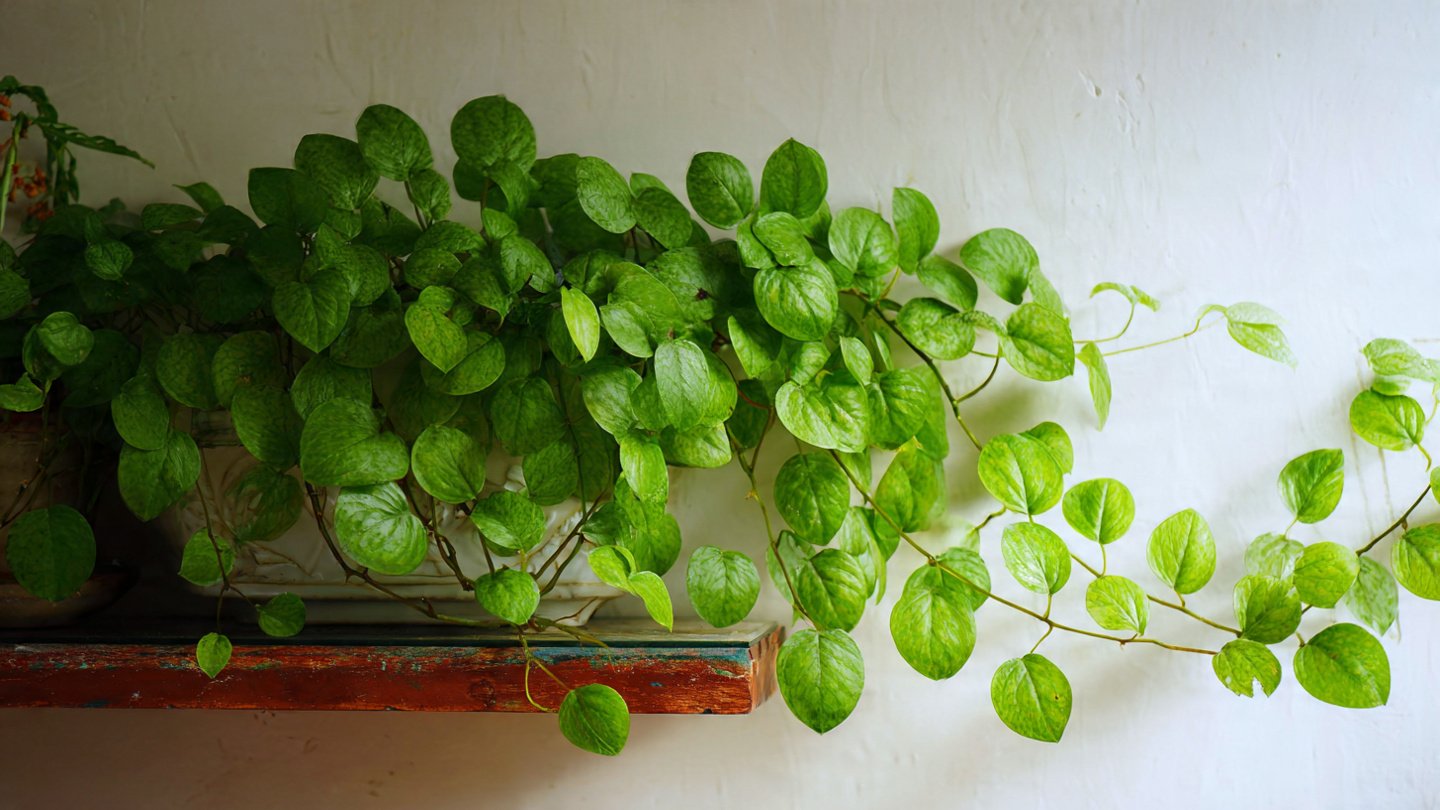
The money plant, scientifically known as Epipremnum aureum, is a beloved houseplant renowned for its heart-shaped leaves and robust nature. This perennial vine is not just an aesthetically pleasing addition to your home; it’s also thought to bring good luck and prosperity according to various cultures. By cultivating a thriving money plant that trails gracefully along your walls, not only can you boost your home décor, but you can also bask in the positive energy it’s believed to bestow.
Understanding the Money Plant
Origins and Varieties
Latest Posts
- OnePlus 15T Smartphone Unveiled – Featuring 200MP Camera, Snapdragon 8 Elite Gen 5 and Massive Battery
- Lava Yuva 5G Unveiled – 120Hz Display and Strong Performance for Everyday Use
- Nokia 1100 Launched – Premium Keypad Phone Returns at Budget Price ₹2,500
- Motorola G96 5G Unveiled – Featuring Stylish Design, Strong Performance and Advanced Camera Tech
- Vivo Y21d Unveiled – Massive 6000mAh Battery for All-Day Everyday Use
- Nothing Phone 4 Ultra 5G Launched – 16GB RAM, AI-Powered 50MP Camera and Flagship Performance
- OnePlus 5G Smartphone Launched – 300MP AI Camera, 7000mAh Battery & 100W Fast Charging
- Nothing Phone 3a Pro – High processor smartphone for gaming lovers – battery is 5000mAH
- Realme 15 Pro – 3 days battery backup smartphone with 50MP front camera under ₹28,000
- Vivo X200 FE – 12GB RAM + 256GB Storage smartphone with HD quality camera
Native to the Solomon Islands, the money plant thrives in tropical climates. It’s also known as Pothos, Devil’s Ivy, or Golden Pothos. Varieties include:
- Golden Pothos: Characterized by its yellow and green marbled leaves.
- Marble Queen: Features striking white and green variegated leaves.
- Neon Pothos: Vibrant lime-green leaves add a pop of color.
Benefits
- Air Purification: Money plants can filter toxins such as formaldehyde and benzene from indoor air, making your home healthier.
- Low Maintenance: It’s an ideal plant for beginners due to its resilience against neglect.
- Aesthetic Appeal: The trailing vines offer versatility in home decor, whether draped over shelves or hanging in baskets.
Setting the Foundation: Choosing the Right Pot and Soil
Selecting the Right Pot
- Material: Opt for pots made of ceramic or terracotta that offer good drainage. Avoid plastic pots, which can retain moisture and lead to root rot.
- Size: Choose a pot that’s slightly larger than the root ball of your plant to allow for growth. Potting into a container that is too large can lead to overwatering issues.
Soil Requirements
The ideal soil for money plants is a well-draining potting mix. You can use a combination of:
- Potting Soil: Provides the necessary nutrients.
- Perlite or Sand: Improves drainage and aeration.
The Perfect Growing Environment
Light Conditions
Money plants are incredibly versatile when it comes to lighting:
- Indirect Light: They thrive best in bright, indirect sunlight. Direct sunlight can scorch their leaves while low light can cause stunted growth.
- Adaptability: They can adapt to fluorescent lights, making them ideal for office spaces.
Temperature and Humidity
- Temperature Range: A comfortable range between 60°F and 85°F (15°C to 29°C) is ideal for growth.
- Humidity: While they can tolerate lower humidity levels, they prefer higher humidity. A humidity level of around 40-60% is optimal.
Watering Practices
Proper watering can make or break your money plant:
- Frequency: Water when the top 1-2 inches of soil feel dry. Generally, this means every 1-2 weeks.
- Method: Ensure that excess water drains out. Overwatering can lead to root rot, a common issue.
Fertilizing Needs
- Type of Fertilizer: Use a balanced, water-soluble fertilizer during the growing season (spring and summer).
- Application: Fertilize once every 4-6 weeks, diluting it to half-strength to avoid burning the roots.
Support and Trailing Techniques
Training Your Money Plant
- Use Supports: Trellises, poles, or hooks can provide structural support for the trailing vines.
- Pruning: Regularly prune to encourage bushier growth and to control size. Cut back to just above a leaf node.
Allowing Natural Trailing
- Placement: Hang your money plant in a location where it can naturally cascade, such as a high shelf or wall-mounted planter.
- Sharing Space: Combine with other plants to create a lush, layered effect against walls.
Common Problems and Solutions
Pests
- Spider Mites: These tiny pests may cause leaves to yellow. Treat with insecticidal soap.
- Mealybugs: Remove with a cotton swab dipped in alcohol.
Diseases
- Root Rot: Ensure proper drainage and avoid overwatering.
- Leaf Spot: Provide better air circulation and avoid getting leaves wet when watering.
Leaf Care
- Cleaning: Regularly wipe the leaves with a damp cloth to remove dust and enhance photosynthesis.
- Leaf Yellowing: Monitor your watering schedule; yellowing can indicate overwatering or nutrient deficiencies.
Incorporating Money Plants into Your Home Decor
Design Ideas
- Hanging Baskets: Create a beautiful display by hanging pots at varying heights.
- Wall Shelves: Use wall-mounted shelves to arrange several pots in a tiered manner.
- Plant Ladders: Use a plant ladder for showcasing multiple trailing plants together.
Complementing Other Décor
Combine your money plant with decorative pots that fit your home’s aesthetic. From boho-chic to modern minimalism, the money plant adapts effortlessly to any style.
FAQs
How often should I water my money plant?
Water your money plant every 1-2 weeks, or when the top 1-2 inches of soil feels dry.
How do I propagate my money plant?
To propagate, cut 4-6 inches of stem just below a node and place it in water or soil to root.
Can I grow a money plant in low light?
While they prefer bright, indirect light, money plants can adapt to low-light conditions but may grow more slowly.
Why are the leaves of my money plant turning yellow?
Yellowing leaves can indicate overwatering or nutrient deficiency. Adjust your watering schedule and fertilization appropriately.
How can I encourage my money plant to trail?
Place it in a hanging basket or on a high shelf to allow the vines to cascade naturally. Prune regularly to promote bushier growth.
Is the money plant safe for pets?
While money plants are generally considered non-toxic, they can cause mild gastrointestinal upset if ingested.
Conclusion
Cultivating a thriving money plant is a rewarding endeavor that offers both aesthetic value and perceived benefits of prosperity. With proper care, including the right lighting, watering, and support, your money plant can create an enchanting, nature-inspired backdrop in your home. Whether they’re draping gracefully along your walls or cascading from stylish planters, these resilient plants can truly enhance your living space, providing a refreshing touch of greenery and elegance. Embrace the journey of growing a money plant, and watch as it flourishes, adding charm and positive energy to your home.