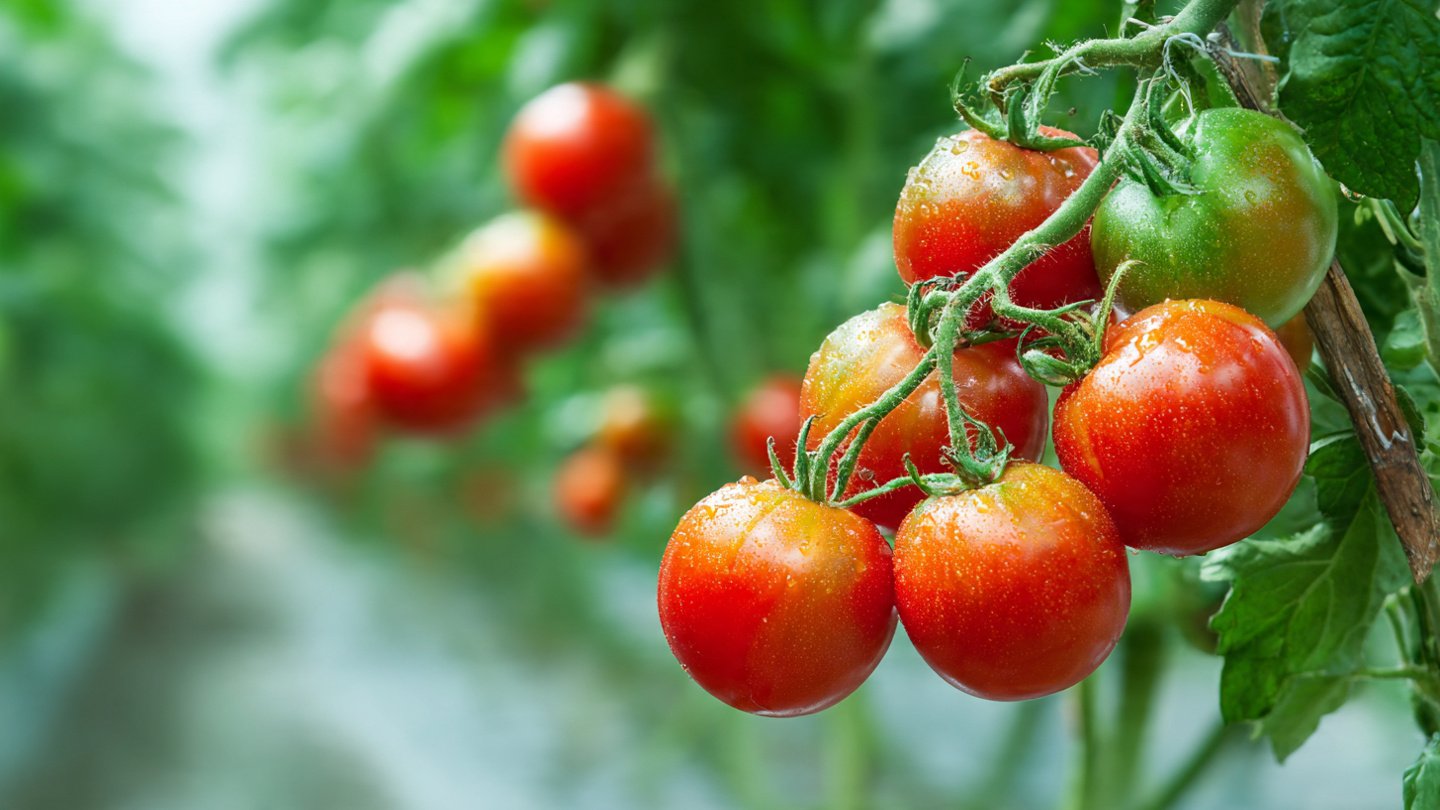
Growing tomatoes is a rewarding endeavor, whether you’re a beginner gardener or a seasoned horticulturist. One of the most effective methods to ensure healthy plants and high yields is through single stem training. This technique not only maximizes space but also enhances air circulation, improves sunlight penetration, and facilitates ease of harvesting. In this article, we will explore the benefits, steps, and best practices for growing tomatoes using single stem training, along with a FAQs section to address common queries.
Understanding Single Stem Training
Single stem training involves cultivating tomato plants to grow upward in a single main stem while removing excess side shoots (suckers). This technique is primarily used for indeterminate tomato varieties, which continue to grow and produce fruit throughout the season. By focusing the plant’s energy on a single stem, you can achieve larger and more uniform fruit.
Latest Posts
- OnePlus 15T Smartphone Unveiled – Featuring 200MP Camera, Snapdragon 8 Elite Gen 5 and Massive Battery
- Lava Yuva 5G Unveiled – 120Hz Display and Strong Performance for Everyday Use
- Nokia 1100 Launched – Premium Keypad Phone Returns at Budget Price ₹2,500
- Motorola G96 5G Unveiled – Featuring Stylish Design, Strong Performance and Advanced Camera Tech
- Vivo Y21d Unveiled – Massive 6000mAh Battery for All-Day Everyday Use
- Nothing Phone 4 Ultra 5G Launched – 16GB RAM, AI-Powered 50MP Camera and Flagship Performance
- OnePlus 5G Smartphone Launched – 300MP AI Camera, 7000mAh Battery & 100W Fast Charging
- Nothing Phone 3a Pro – High processor smartphone for gaming lovers – battery is 5000mAH
- Realme 15 Pro – 3 days battery backup smartphone with 50MP front camera under ₹28,000
- Vivo X200 FE – 12GB RAM + 256GB Storage smartphone with HD quality camera
Benefits of Single Stem Training
-
Space Saving: Ideal for small gardens or container growing, single stem training allows you to grow more plants in less space.
-
Improved Air Circulation: Reducing the number of stems helps air flow around the plant, decreasing the risk of fungal diseases such as blight, which thrive in humid environments.
-
Enhanced Sun Exposure: By training tomatoes to a single stem, leaves are positioned to receive optimal sunlight, which is vital for photosynthesis and fruit ripening.
-
Simplified Harvesting: With a structured growth habit, it’s easier to spot and pick ripe fruit, reducing the risk of bruising or damaging the plant.
-
Easier Pest Management: A neatly trained plant makes it simpler to inspect leaves for pests or diseases and apply necessary treatments effectively.
Preparing for Single Stem Training
Before you begin, certain preparations will set the stage for a successful growing season.
Selection of Tomato Variety
Opt for indeterminate varieties like ‘Brandywine’, ‘Cherokee Purple’, or ‘Sweet 100’. These types continuously produce fruit but require proper support to manage their growth.
Tools and Materials
Gather the following tools and materials:
- Support Stakes: Use sturdy stakes, cages, or trellises.
- Soft Ties or String: To gently secure the plant to the support system.
- Pruning Shears: For removing unwanted suckers.
- Gloves: To protect your hands while handling plants.
Soil Preparation
Ensure you have well-draining soil enriched with organic matter. Tomatoes prefer a pH level of 6.0 to 6.8. Conduct a soil test if you’re unsure and amend accordingly with compost or fertilizer as needed.
Step-by-Step Guide to Single Stem Training
Now that you’re prepared, follow these steps for effective single stem training.
1. Planting
- Timing: Plant your tomatoes after the last frost when soil temperatures are consistently above 60°F (15°C).
- Spacing: Space plants about 24-36 inches apart, giving them room to grow upward.
2. Provide Support Early
As you plant your tomatoes, insert stakes or the chosen support system into the ground close to the base of the plants. This prevents root disturbance later on.
3. Watering
Water thoroughly at the base of the plant, keeping the soil consistently moist but not soggy. Drip irrigation or soaker hoses work well to avoid wetting the foliage.
4. Initial Pruning
Within a few weeks of planting, you’ll notice the first set of leaves and side shoots.
- Remove Bottom Leaves: Cut any leaves that rest on or near the soil to prevent disease.
- Suckers: Identify suckers (small shoots emerging between the main stem and leaf branches). Pinch or prune these back as they appear.
5. Regular Maintenance
- Continued Pruning: As your plant grows, continue to monitor for new suckers. Remove them promptly before they mature.
- Tying Up: As the main stem grows, gently tie it to the support using soft ties or string. Be careful not to damage the stem.
6. Monitor Growth and Stress
During the growing season, keep an eye out for signs of stress such as wilting or discoloration. Address these issues promptly with appropriate care, including watering, feeding, or pest management.
7. Harvesting
When the tomatoes begin to change color, they are approaching ripeness. Pick them when they are fully colored and slightly firm to the touch. This will ensure the best flavor.
Best Practices for Single Stem Training
To maximize the effectiveness of single stem training, consider the following best practices:
-
Sunlight: Ensure plants receive at least 6-8 hours of direct sunlight daily.
-
Fertilization: Use balanced fertilizers designed for tomatoes to encourage healthy growth. Apply every 4-6 weeks during the growing season.
-
Pest Management: Regularly inspect plants for pests such as aphids or hornworms. Use organic insecticidal soaps or neem oil as needed.
-
Disease Control: Ensure good air circulation and avoid overhead watering to minimize risk of fungal infections.
-
End of Season Care: If any fruit remains unripe at the end of the season, it can be harvested and placed indoors to finish ripening.
Conclusion
Growing tomatoes using single stem training can yield delicious, large fruits while making the gardening process more manageable. By following the techniques outlined above, you can foster robust plants that thrive and produce abundantly. With dedication and attention to detail, you’ll be well on your way to enjoying a bountiful harvest.
FAQs
1. Can I use single stem training for determinate varieties?
While single stem training is primarily suited for indeterminate varieties, determinate types can benefit from light pruning and staking but won’t grow as tall or require the same level of training.
2. How often should I prune my tomato plants?
Regularly check your plants, ideally once a week, and prune suckers when they reach about 2-3 inches in length for the best results.
3. What is a sucker in tomato plants?
A sucker is a small shoot that grows in the leaf axils (the angle between the leaf stem and the main stem). They need to be pruned to maintain a single stem.
4. How high should my stakes be?
Stakes should be at least 5-6 feet tall to accommodate the full growth of indeterminate tomato plants.
5. What types of ties should I use?
Use soft ties like garden twine, cloth strips, or commercial plant ties that won’t damage the stem. Avoid using wire or anything that could cut into the plant.
6. Can I grow tomatoes in pots using single stem training?
Yes! You can successfully grow tomatoes in containers using single stem training. Ensure you choose a large pot (at least 5 gallons) and provide enough support for the growing plant.
By employing the single stem training method, you can cultivate beautiful, productive tomato plants that will reward you with delicious fruit all season long.