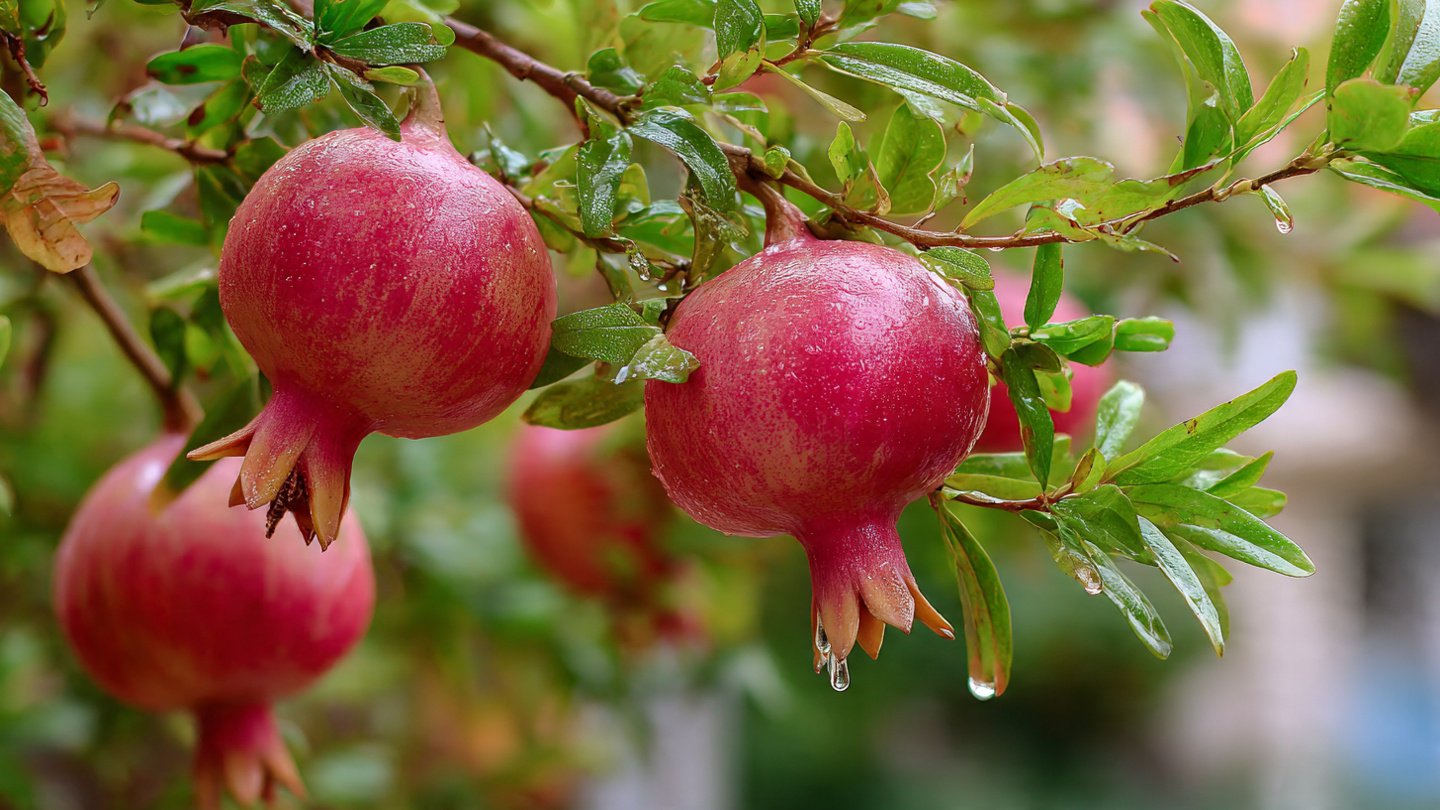
Pomegranate trees (Punica granatum) are a wonderful addition to urban gardens. Known for their stunning fruit and vibrant flowers, these trees can flourish even in limited spaces. However, managing their growth while ensuring optimal fruit production requires a deeper understanding of their needs and a bit of technique. In this article, we’ll discuss effective methods to control the growth of pomegranate trees, making them suitable for urban garden settings, and we’ll provide answers to frequently asked questions.
Understanding the Pomegranate Tree
The Basics
Latest Posts
- OnePlus 15T Smartphone Unveiled – Featuring 200MP Camera, Snapdragon 8 Elite Gen 5 and Massive Battery
- Lava Yuva 5G Unveiled – 120Hz Display and Strong Performance for Everyday Use
- Nokia 1100 Launched – Premium Keypad Phone Returns at Budget Price ₹2,500
- Motorola G96 5G Unveiled – Featuring Stylish Design, Strong Performance and Advanced Camera Tech
- Vivo Y21d Unveiled – Massive 6000mAh Battery for All-Day Everyday Use
- Nothing Phone 4 Ultra 5G Launched – 16GB RAM, AI-Powered 50MP Camera and Flagship Performance
- OnePlus 5G Smartphone Launched – 300MP AI Camera, 7000mAh Battery & 100W Fast Charging
- Nothing Phone 3a Pro – High processor smartphone for gaming lovers – battery is 5000mAH
- Realme 15 Pro – 3 days battery backup smartphone with 50MP front camera under ₹28,000
- Vivo X200 FE – 12GB RAM + 256GB Storage smartphone with HD quality camera
Pomegranate trees are deciduous shrubs or small trees native to the Middle East and South Asia. They thrive in warm, arid climates, making them ideal for regions that experience hot summers. Pomegranates are not just beautiful; they are also packed with antioxidants and essential nutrients, making them a healthy addition to your diet.
Growth Characteristics
Pomegranate trees typically grow to a height of 6 to 12 feet, but with proper care, they can be kept smaller through pruning techniques. They can also be cultivated in pots, which is perfect for urban gardeners who may not have large plots of land.
The Secret Method: Growth Control Technique
Controlling the growth of pomegranate trees involves a combination of careful pruning, proper irrigation, soil management, and fertilization techniques. Here’s a detailed breakdown of each component:
1. Pruning Techniques
Timing and Frequency
Pruning is essential for managing the size and shape of your pomegranate tree. The best time to prune is in late winter or early spring before new growth begins. This time allows the tree to recover quickly and encourages robust new growth.
Methods of Pruning
- Thinning: Remove excess branches to allow sunlight to penetrate and improve air circulation.
- Heading Back: Cut back branches to a desired length to control the height of the tree. Aim to leave at least one or two buds on each branch.
- Shaping: Establish a central leader or multiple leaders depending on the desired shape. This provides a framework that will assist in managing growth.
2. Container Growing
If you’re dealing with limited space, growing pomegranates in containers is an excellent option. This method not only restricts the tree’s growth but also allows for easier management.
Choosing the Right Container
Select a container at least 18 inches in diameter and 16 inches deep to give the roots enough space. Make sure it has drainage holes to prevent waterlogging.
Soil Requirements
Use well-draining potting soil mixed with organic matter. A blend of potting soil, compost, and perlite or sand will provide the right drainage and nutrients.
3. Irrigation Management
Pomegranates are drought-tolerant but require consistent moisture, especially during the fruiting period.
Drip Irrigation
Setting up a drip irrigation system helps control water supply effectively. Water the trees deeply but infrequently to encourage deep root growth. Generally, watering once a week is adequate, but adjust based on rainfall and temperature.
4. Fertilization Techniques
Pomegranates benefit from regular feeding to promote robust growth and fruit production.
Organic Fertilizers
Using organic fertilizers like compost, fish emulsion, or seaweed extract is the best approach. Apply a balanced fertilizer (N-P-K ratio of 10-10-10) in early spring. Follow up with additional fertilization during the flowering stage.
5. Mulching
Adding a layer of organic mulch around the base of your pomegranate tree helps regulate soil temperature and retains moisture. It also suppresses weeds that can compete for nutrients.
6. Pest and Disease Management
Be mindful of pests such as aphids, scale, and fruit flies that can affect pomegranate trees. Regular inspection and organic treatments like neem oil can keep these issues in check.
Additional Tips for Urban Gardens
Choosing the Right Variety
If you’re planting pomegranates in an urban garden, consider dwarf varieties such as ‘Nana,’ which are ideal for container growth and small spaces.
Sunlight and Location
Pomegranates require full sun for at least six hours daily. Choose a sunny spot in your garden or balcony where they can thrive.
Seasonal Care
In areas with frost, consider bringing container-grown pomegranates indoors during winter. For those in-ground, provide frost protection with burlap or frost covers.
Conclusion
With the right techniques, managing the growth of pomegranate trees in urban gardens can be both rewarding and enjoyable. By using methods such as pruning, container growing, proper irrigation, and organic fertilization, you can cultivate a healthy, productive pomegranate tree that enhances your gardening experience.
FAQs
1. How long does it take for a pomegranate tree to produce fruit?
Pomegranate trees generally begin to bear fruit after 3 to 4 years of growth, depending on the variety and growing conditions.
2. Can pomegranate trees survive winter?
Pomegranate trees are hardy to USDA zones 7-10. In colder regions, they may need protection from frost, especially younger trees.
3. How often should I water my pomegranate tree?
During the growing season, water your pomegranate once a week. Decrease watering in the winter months or when the tree is dormant.
4. What are the common diseases affecting pomegranates?
Common diseases include pomegranate fruit rot and leaf spot, often resulting from excessive moisture or poor air circulation. Regular pruning and proper spacing can mitigate these issues.
5. Can I grow pomegranate trees indoors?
Yes, pomegranate trees can be grown indoors in pots as long as they receive adequate sunlight and are placed in a well-draining potting mix.
6. How do I encourage more fruit production?
To encourage more fruit production, ensure consistent watering, apply regular organic fertilizers, and prune the tree to promote air circulation and light exposure.
7. What pests should I look out for?
Look out for pests like aphids, whiteflies, and fruit flies. Regular inspection and organic treatments can control these pests effectively.
8. Can I propagate pomegranate trees?
Yes, pomegranate trees can be propagated through seeds, cuttings, or by layering. Cuttings are typically the most effective method for retaining specific variety traits.
Incorporating these effective methods and tips can lead to a fruitful and visually appealing addition to your urban garden.