Introduction
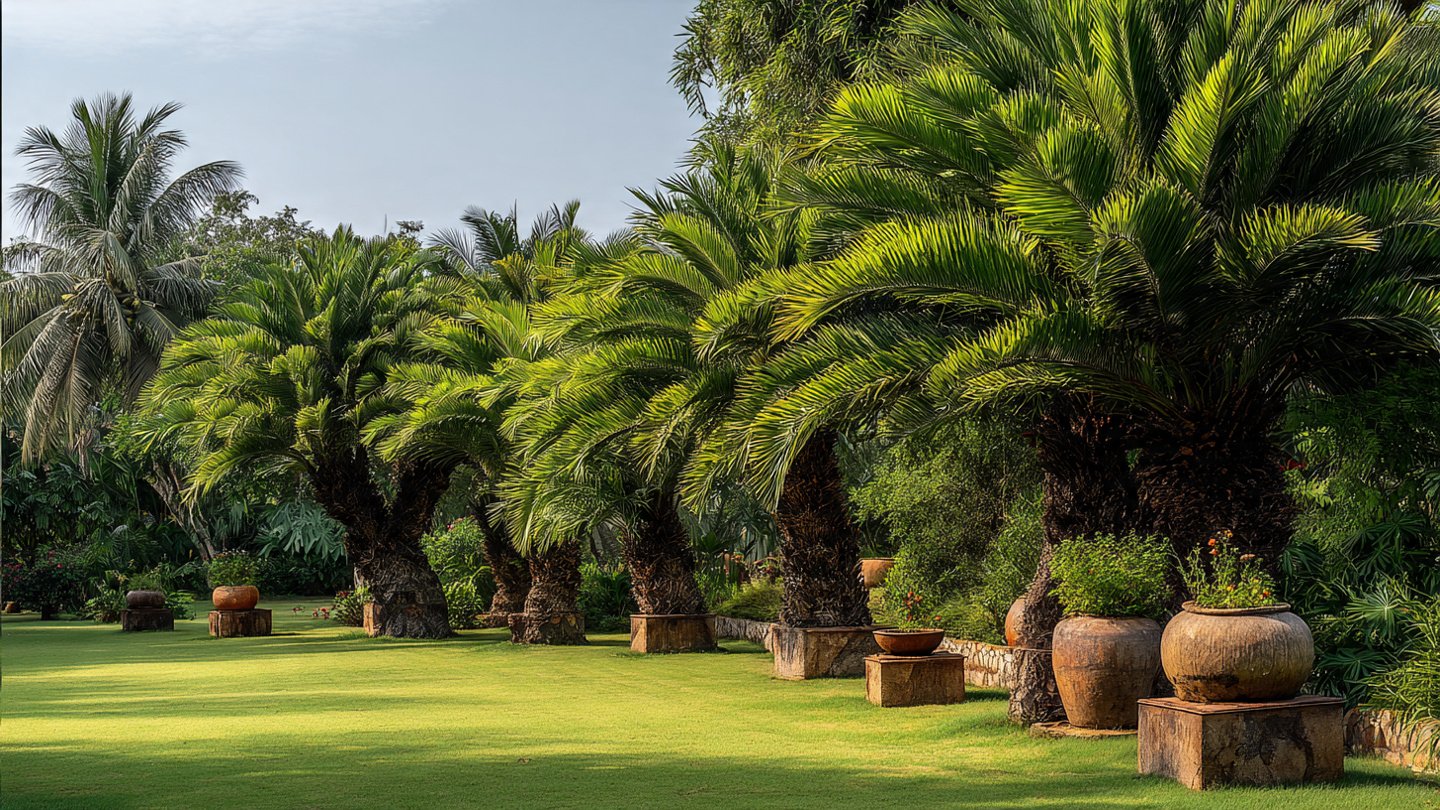
Bottle palm trees, scientifically known as Hyophorbe lagenicaulis, are a distinctive and elegant choice for landscaping. With their unique curvature and bottle-shaped trunk, these palms can serve as stunning focal points in any lawn or garden. Native to the tropical islands of the Indian Ocean, these palms are ideal for warm climates and can thrive in various soil conditions. Below, we’ll walk you through the steps to successfully grow bottle palm trees in your lawn, along with some frequently asked questions.
Step 1: Choosing the Right Location
Latest Posts
- OnePlus 15T Smartphone Unveiled – Featuring 200MP Camera, Snapdragon 8 Elite Gen 5 and Massive Battery
- Lava Yuva 5G Unveiled – 120Hz Display and Strong Performance for Everyday Use
- Nokia 1100 Launched – Premium Keypad Phone Returns at Budget Price ₹2,500
- Motorola G96 5G Unveiled – Featuring Stylish Design, Strong Performance and Advanced Camera Tech
- Vivo Y21d Unveiled – Massive 6000mAh Battery for All-Day Everyday Use
- Nothing Phone 4 Ultra 5G Launched – 16GB RAM, AI-Powered 50MP Camera and Flagship Performance
- OnePlus 5G Smartphone Launched – 300MP AI Camera, 7000mAh Battery & 100W Fast Charging
- Nothing Phone 3a Pro – High processor smartphone for gaming lovers – battery is 5000mAH
- Realme 15 Pro – 3 days battery backup smartphone with 50MP front camera under ₹28,000
- Vivo X200 FE – 12GB RAM + 256GB Storage smartphone with HD quality camera
Sunlight Requirements
Bottle palms prefer full sunlight, requiring at least 6-8 hours of direct sunlight daily. Before planting, observe the sunlight patterns in your lawn area to identify the best spot. Ensure it is free from tall structures or trees that may cast shadows.
Space Considerations
Bottle palms can grow up to 20 feet tall and spread about 10 feet wide. Thus, it’s important to allow enough space for growth. Make sure to plant them at least 5 feet away from fences, buildings, or other trees to provide adequate air circulation.
Step 2: Soil Preparation
Soil Type
Bottle palms are adaptable but thrive best in well-draining soil. Sandy loam or a mix of peat and perlite is ideal. Avoid heavy clay soils, which can lead to root rot.
Soil pH
Aim for a soil pH between 6.0 and 7.0. You can test the soil pH with a readily available kit, ensuring it meets the requirements before planting.
Amendment
If your soil is heavy or clay-like, amend it by adding organic matter such as compost or well-rotted manure. This enhances drainage and provides necessary nutrients.
Step 3: Planting the Bottle Palm
When to Plant
The best time to plant bottle palm trees is during the spring or early summer when the weather is warm. This ensures the palms establish roots before the onset of cooler weather.
Planting Procedure
-
Digging the Hole: Dig a hole that is about twice the width of the root ball but no deeper than the root structure itself. This prevents the roots from settling too deeply, which can impede growth.
-
Placing the Palm: Carefully remove the palm from its container and place it in the center of the hole. Ensure the top of the root ball is level with the surrounding soil.
-
Backfilling: Fill the hole with a mixture of native soil and compost. Water thoroughly while backfilling to eliminate any air pockets.
Step 4: Watering
Establishing a Watering Schedule
Bottle palms require regular watering, especially in the first year after planting. Water them deeply once a week, allowing the soil to dry slightly between waterings. As the tree matures, you can reduce the frequency to every two to four weeks, depending on the climate.
Signs of Under or Overwatering
Monitor the soil moisture. Signs of underwatering include drooping leaves, while overwatering can lead to yellowing fronds and a mushy trunk. Adjust your watering schedule accordingly.
Step 5: Fertilization
Type of Fertilizer
Use a slow-release, balanced fertilizer with equal parts nitrogen, phosphorus, and potassium (NPK ratio). Look for a product that also contains micronutrients like magnesium and manganese.
Feeding Schedule
Fertilize every 6-8 weeks during the growing season (spring and summer). Follow label instructions to avoid over-fertilization, which can damage the roots.
Step 6: Pruning and Maintenance
Pruning Tips
Prune dead or yellowing fronds to maintain the palm’s appearance. Always use clean, sharp tools to avoid introducing diseases.
Pest and Disease Control
Bottle palms are relatively pest-resistant, but keep an eye out for common issues like spider mites and scale. If you notice any pests, treat them with insecticidal soap or neem oil.
Step 7: Winter Care
Protection from Cold
In USDA zones where temperatures dip below freezing (generally below Zone 10), consider protecting your bottle palms during colder months. Wrap the trunk with frost cloth or burlap to insulate it from frigid temperatures.
Watering in Winter
If you live in cooler climates, reduce watering in winter months. Ensure the soil does not remain overly wet, as cold, damp soil can cause root rot.
Conclusion
Growing bottle palm trees can add a touch of elegance and uniqueness to your lawn. With proper care and attention, these palms can thrive and provide visual appeal for years to come. Following the steps outlined—selecting the right location, preparing the soil, planting, and maintaining your bottle palms—will ensure successful growth.
FAQs
1. How tall do bottle palm trees grow?
Bottle palm trees can grow up to 20 feet tall, depending on the growing conditions and care provided.
2. What is the ideal climate for bottle palm trees?
Bottle palms thrive in tropical and subtropical climates. They generally prefer temperatures between 65°F and 90°F.
3. Can bottle palms grow indoors?
While bottle palms may be grown indoors in bright, sunny conditions, they generally perform better outdoors where they have room to grow.
4. How often should I water my bottle palm?
During the first year, water your bottle palm deeply once a week. As it matures, you can reduce watering to every two to four weeks, depending on the climate.
5. What are the common pests that affect bottle palm trees?
Common pests include spider mites and scale insects. Regularly checking your palm and maintaining its health will help prevent infestations.
6. Do bottle palms produce flowers?
Yes, bottle palms can produce small, yellow flowers, which typically occur in clusters. They are not very showy compared to other palm trees, but they can attract pollinators.
7. How do I protect my bottle palm from cold weather?
In regions with temperatures below freezing, wrap the trunk with frost cloth or burlap to provide insulation against cold. Reduce watering in colder months.
8. Are bottle palms suitable for small yards?
Yes! Bottle palms have a relatively slim profile and can fit well in smaller spaces, making them an excellent choice for compact yards.
By following these guidelines, you can successfully grow beautiful bottle palm trees that will enhance your lawn or garden area, providing a tropical feel and a unique landscape element. Happy planting!