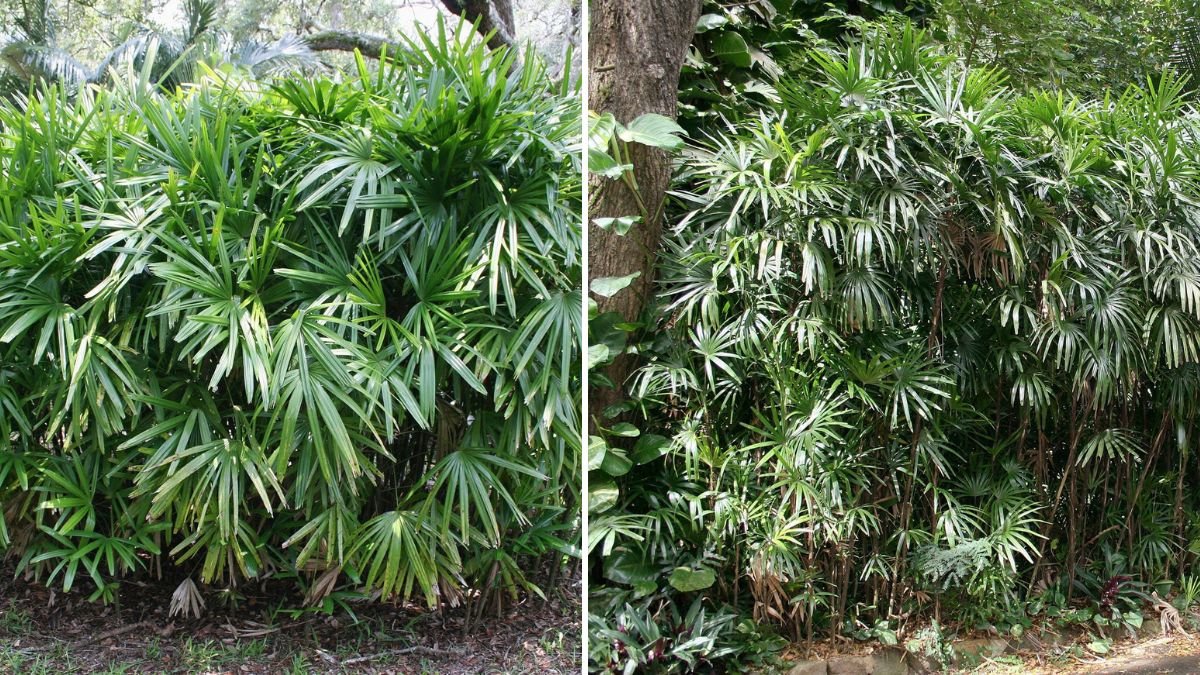
Lady Palms (Rhapis excelsa) are a popular choice for gardeners and plant enthusiasts looking to add a tropical flair to their landscape. These elegant palms thrive in low light and offer lush green foliage that can enhance even the shadiest corners of your garden. In this article, we will cover the essential aspects of successfully cultivating Lady Palms, including ideal growing conditions, care tips, propagation methods, and common pests and diseases. We will also address some frequently asked questions to help you navigate the journey of growing this beautiful plant.
Understanding Lady Palms
Botanical Background
Latest Posts
- OnePlus 15T Smartphone Unveiled – Featuring 200MP Camera, Snapdragon 8 Elite Gen 5 and Massive Battery
- Lava Yuva 5G Unveiled – 120Hz Display and Strong Performance for Everyday Use
- Nokia 1100 Launched – Premium Keypad Phone Returns at Budget Price ₹2,500
- Motorola G96 5G Unveiled – Featuring Stylish Design, Strong Performance and Advanced Camera Tech
- Vivo Y21d Unveiled – Massive 6000mAh Battery for All-Day Everyday Use
- Nothing Phone 4 Ultra 5G Launched – 16GB RAM, AI-Powered 50MP Camera and Flagship Performance
- OnePlus 5G Smartphone Launched – 300MP AI Camera, 7000mAh Battery & 100W Fast Charging
- Nothing Phone 3a Pro – High processor smartphone for gaming lovers – battery is 5000mAH
- Realme 15 Pro – 3 days battery backup smartphone with 50MP front camera under ₹28,000
- Vivo X200 FE – 12GB RAM + 256GB Storage smartphone with HD quality camera
Lady Palms, belonging to the family Arecaceae, are native to the subtropical regions of Southeast Asia. Often found in forests under the canopy of taller trees, these palms have adapted well to shady environments. They can grow up to 10 feet tall and feature fan-shaped leaves that can range in color from deep green to paler shades, making them an attractive choice for both indoor and outdoor settings.
Characteristics
- Height: Typically, they reach a height of 4 to 10 feet.
- Leaves: The leaves are glossy, fan-shaped, and can grow up to 3 feet in length.
- Trunks: These palms feature multiple stems that can give them a bushy appearance.
- Growth Rate: Lady Palms are relatively slow-growing, adding only about 6 to 12 inches per year under optimal conditions.
Ideal Growing Conditions
Light Requirements
Lady Palms are shade-tolerant, making them suitable for areas that receive indirect light. They can tolerate low light conditions, but for optimal growth, provide them with filtered sunlight for a few hours each day. If planting outdoors, consider placing them in a spot that receives morning sun and afternoon shade.
Soil Type
These palms prefer well-draining soil rich in organic matter. A mix of potting soil and compost works well, ensuring that water does not pool around the roots. If you’re planting in the ground, consider adding sand or perlite to improve drainage.
Temperature and Humidity
Lady Palms thrive in temperatures ranging from 60°F to 85°F (15°C to 29°C). They can tolerate cooler temperatures but should be protected from frost. Additionally, they prefer higher humidity levels, so if you live in a drier climate, consider misting the leaves or placing a humidifier nearby to maintain moisture in the air.
Planting Lady Palms
Timing
The best time to plant Lady Palms is during the spring and early summer when temperatures are mild and the risk of frost has passed. This allows them to settle into their new environment before the harsher conditions of winter.
Planting Process
-
Select a Location: Identify a shady spot in your garden with well-draining soil.
-
Prepare the Soil: Enrich the soil with compost or organic matter, incorporating it well to provide nutrients.
-
Dig the Hole: The hole should be twice the size of the root ball to allow for expansion.
-
Planting: Remove the Lady Palm from its container gently, teasing out any tightly bound roots. Place it in the hole, ensuring that the top of the root ball is level with the soil surface.
-
Backfill and Water: Fill the hole with soil, patting down gently to remove air pockets. Water thoroughly to help the plant settle in.
Care and Maintenance
Watering
Lady Palms prefer consistently moist soil but should not be waterlogged. A good rule of thumb is to water them when the top inch of soil feels dry. In the warmer months, they may need more frequent watering, while in cooler months, you can reduce the frequency.
Fertilization
Fertilize Lady Palms during the growing season (spring and summer) with a balanced, slow-release fertilizer. Be cautious not to over-fertilize, as this can lead to salt build-up and damage the roots. A diluted liquid fertilizer every few months can also be beneficial.
Pruning
Regular pruning helps maintain the shape and health of the Lady Palm. Remove any dead or yellowing fronds by cutting them at the base. This not only keeps the plant looking its best but also minimizes the risk of diseases.
Pest Management
While Lady Palms are generally resistant to pests, they can occasionally be afflicted by scale insects or spider mites. Regularly inspect your plants for any signs of infestations. In the case of scale, a neem oil treatment can help, while spider mites may necessitate a thorough wash of the leaves.
Propagation
Lady Palms can be propagated by division or through seeds. The division method is often more reliable:
-
Timing: The best time to divide your Lady Palms is in the spring as they enter their active growth phase.
-
Remove the Plant: Carefully take the plant from its pot or location without damaging the roots.
-
Divide the Clumps: Use a sharp, clean knife to cut through the root ball, ensuring each section has a healthy portion of roots.
-
Replant: Replant the sections in well-draining soil and water them thoroughly.
Common Issues and Solutions
Yellowing Leaves
If the leaves of your Lady Palm start turning yellow, it may indicate overwatering or nutrient deficiency. Check for signs of root rot by examining the roots. Ensure the soil drains well and consider reducing your watering frequency.
Browning Leaf Tips
Browning leaf tips may be a sign of underwatering or low humidity. Increase watering frequency and consider misting the leaves or using a humidifier to boost humidity levels.
Drooping Leaves
Drooping leaves can indicate stress from various factors such as temperature fluctuations, underwatering, or over-fertilization. Take a moment to assess the plant’s environment and adjust care routines accordingly.
FAQs
Q1: Can Lady Palms be grown indoors?
Yes, Lady Palms are excellent indoor plants and can thrive in low light conditions, making them suitable for growing in homes or offices.
Q2: How often should I water my Lady Palm?
Generally, you should water when the top inch of soil feels dry. During warm months, this may be more frequent, while in cooler months, you can reduce the frequency.
Q3: Do Lady Palms need direct sunlight?
No, Lady Palms thrive in shade or indirect light. Excessive direct sunlight can scorch their leaves.
Q4: Are Lady Palms toxic to pets?
No, Lady Palms are considered non-toxic to both cats and dogs, making them a safe choice for pet owners.
Q5: How can I tell if my Lady Palm needs fertilizer?
If your palm shows slow growth or yellowing leaves despite proper watering, it may indicate a need for fertilization.
Q6: Can Lady Palms survive outdoors in colder climates?
Lady Palms can tolerate brief cold snaps but are not frost-resistant. In colder climates, they are best kept indoors or in a greenhouse during winter.
Conclusion
Cultivating Lady Palms in the shady corners of your garden brings a touch of elegance and tropical charm to your outdoor space. With their adaptability to low light conditions and minimal maintenance requirements, these palms are a wonderful addition for both novice and experienced gardeners alike. By providing the right growing conditions, regular care, and appropriate pest management, you can enjoy the lush greenery of Lady Palms in your garden for many years to come.