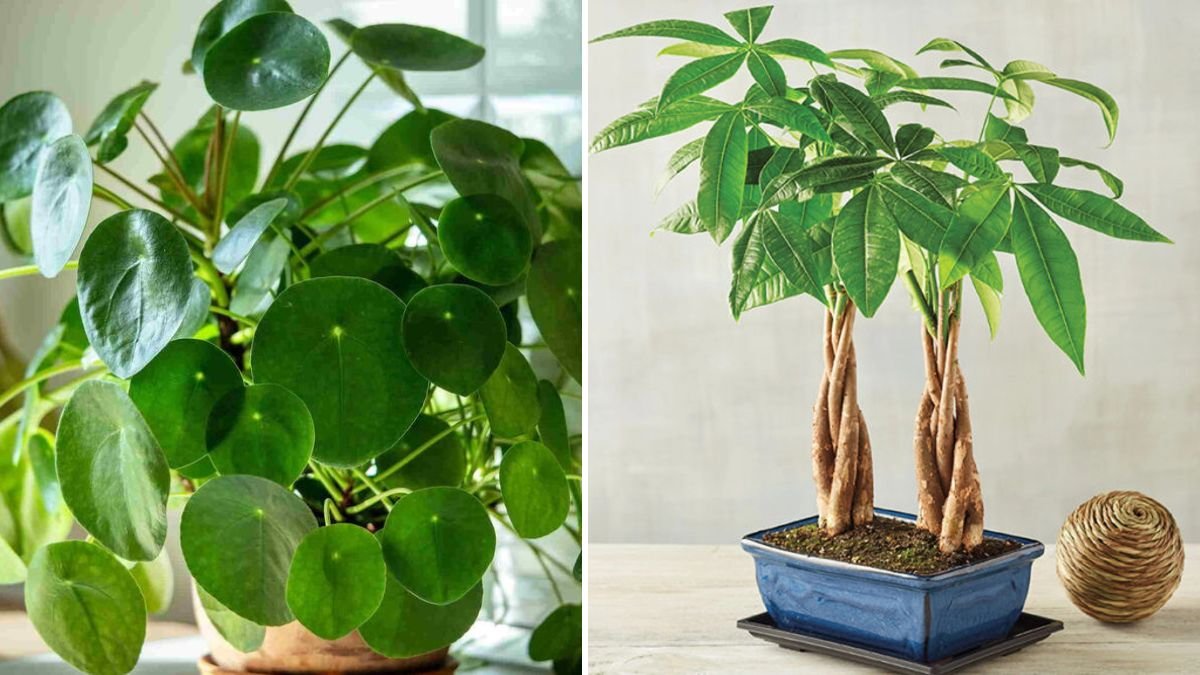
The money plant, also known as Pothos or Epipremnum aureum, is a popular houseplant familiar to many due to its hardiness and vibrant foliage. Revered not just for its aesthetic appeal but also for its air-purifying properties, the money plant symbolizes prosperity and good luck in various cultures. With its heart-shaped leaves and trailing vines, cultivating a money plant with lush, thick leaves is a pursuit many plant enthusiasts seek. Let’s explore the secrets to growing a healthy money plant that flourishes with greenery.
Understanding the Money Plant
Before diving into care tips, it’s essential to understand the money plant itself.
Latest Posts
- OnePlus 15T Smartphone Unveiled – Featuring 200MP Camera, Snapdragon 8 Elite Gen 5 and Massive Battery
- Lava Yuva 5G Unveiled – 120Hz Display and Strong Performance for Everyday Use
- Nokia 1100 Launched – Premium Keypad Phone Returns at Budget Price ₹2,500
- Motorola G96 5G Unveiled – Featuring Stylish Design, Strong Performance and Advanced Camera Tech
- Vivo Y21d Unveiled – Massive 6000mAh Battery for All-Day Everyday Use
- Nothing Phone 4 Ultra 5G Launched – 16GB RAM, AI-Powered 50MP Camera and Flagship Performance
- OnePlus 5G Smartphone Launched – 300MP AI Camera, 7000mAh Battery & 100W Fast Charging
- Nothing Phone 3a Pro – High processor smartphone for gaming lovers – battery is 5000mAH
- Realme 15 Pro – 3 days battery backup smartphone with 50MP front camera under ₹28,000
- Vivo X200 FE – 12GB RAM + 256GB Storage smartphone with HD quality camera
Basic Characteristics
- Origin: Native to the Solomon Islands, money plants thrive in tropical environments.
- Growth Habit: It is a climbing plant that can grow in various conditions—from soil to water. Its vines can trail or climb.
- Leaves: The leaves are vibrant green, sometimes displaying variegation in shades of yellow or white, especially in cultivated varieties.
Symbolism
In many cultures, money plants are believed to bring wealth, prosperity, and good luck, making them a popular choice for homes and workplaces.
Ideal Conditions for Growth
To cultivate a money plant with lush, thick leaves, consider the following aspects:
1. Light Requirements
Money plants can adapt to various light conditions, but optimal growth occurs in:
- Indirect Sunlight: Bright, indirect light is ideal. Avoid direct sunlight, as it can scorch the leaves.
- Low Light: They can tolerate low-light conditions but might exhibit slower growth and less vibrant leaves.
2. Soil Type
The right soil can make a significant difference in the health of your money plant:
- Well-draining Soil: A mix of potting soil, perlite, and orchid bark is excellent for drainage.
- pH Level: Aim for a slightly acidic to neutral pH level (5.5 to 7.0) to optimize nutrient absorption.
3. Humidity Levels
Money plants thrive in humid environments:
- Optimal Humidity: Aim for humidity levels between 40% to 70%. You can use a humidifier or place a water tray near the plant to enhance humidity.
4. Temperature Preferences
Maintaining the right temperature is crucial for a healthy money plant:
- Ideal Range: Money plants prefer temperatures between 60°F to 85°F (15°C to 29°C). Avoid exposing them to cold drafts or extreme temperature fluctuations.
Watering Your Money Plant
Watering is a key factor in cultivating lush, thick leaves:
1. Watering Schedule
Establish a consistent watering routine:
- Frequency: Water when the top 1-2 inches of soil feel dry. This usually translates to once a week or every 10 days, depending on your home’s humidity.
2. Water Quality
Consider the quality of water used:
- Use Room Temperature Water: Let tap water sit for 24 hours before using it to allow chlorine to dissipate.
- Rainwater or Distilled Water: These are ideal as they contain fewer chemicals.
3. Signs of Overwatering/Underwatering
Be vigilant about signs your money plant might display:
- Overwatering: Yellowing leaves or mushy stems indicate excess water.
- Underwatering: Crispy, dry leaves signify the need for more moisture.
Fertilizing for Growth
To develop lush foliage, proper fertilization is essential:
1. Type of Fertilizer
Choose fertilizers that enhance leaf development:
- Balance Formulation: A balanced liquid fertilizer (N-P-K ratio of 20-20-20) is ideal.
- Organic Options: Consider using worm castings or fish emulsion for an organic approach.
2. Fertilizing Schedule
Establish a fertilization routine:
- Growing Season: Fertilize every 4-6 weeks during the growing season (spring and summer).
- Dormant Season: Reduce or stop fertilizing in the fall and winter when growth slows.
Pruning for Shape and Health
Pruning is vital for fostering lush growth and maintaining a bushy appearance:
1. Why Prune?
Regular pruning encourages new growth, removes dead or yellowing leaves, and shapes the plant:
- Promote Fullness: Trim back long vines to promote bushier growth.
- Remove Damaged Leaves: Keep your plant healthy by regularly removing any yellow or brown leaves.
2. How to Prune
Use clean, sharp scissors for pruning:
- Cut Above Nodes: Make cuts just above the leaf nodes to promote new growth from those points.
- Frequency: Prune as necessary; early spring is an ideal time to do major shaping.
Repotting Your Money Plant
As the money plant grows, it will outgrow its pot, necessitating repotting:
1. Signs It’s Time to Repot
Monitor for signs your plant has outgrown its pot, including:
- Root Bound: Roots growing out of the drainage holes indicate it’s time to move to a larger pot.
- Soil Depletion: When the soil dries out quickly and no longer retains moisture, it might be time to repot.
2. Repotting Process
Repotting should be done carefully to minimize stress on the plant:
- Choose a Larger Pot: Select a pot 1-2 inches larger in diameter than the current one.
- Gently Remove the Plant: Carefully uproot the plant, loosening the soil around the roots.
- Add Fresh Soil: Place the plant in the new pot and fill it with fresh soil. Water thoroughly after repotting.
Pest Management and Disease Prevention
Keeping money plants healthy also means being proactive about pests and diseases:
1. Common Pests
Watch for common pests like:
- Spider Mites, Mealybugs, and Aphids: These can be addressed using insecticidal soap or neem oil.
2. Diseases
Prevent fungal and bacterial infections by maintaining proper watering practices:
- Root Rot: Ensure your pot has proper drainage and avoid overwatering. Signs include wilting and a musty smell.
- Leaf Spot: Regularly inspect leaves and remove any affected foliage.
FAQs
1. How often should I water my money plant?
Water when the top 1-2 inches of soil are dry, usually once a week, depending on environmental conditions.
2. Can money plants grow in low light?
Yes, money plants can survive in low light, but their growth will be slower and leaves may be less vibrant.
3. What type of fertilizer should I use?
A balanced liquid fertilizer with an N-P-K ratio of 20-20-20 is ideal. Organic options like worm castings can also be used.
4. How can I propagate my money plant?
You can propagate money plants using stem cuttings. Place cuttings in water until roots develop, then transfer them to soil.
5. Are money plants toxic to pets?
Yes, money plants are considered toxic to cats and dogs. Keep them out of reach of pets.
6. What is the best temperature for growing money plants?
Money plants thrive in temperatures between 60°F to 85°F (15°C to 29°C).
7. Why are my money plant leaves turning yellow?
Yellow leaves often indicate overwatering, inadequate light, or nutrient deficiencies. Check your care routine to determine the cause.
Conclusion
Growing a money plant with lush, thick leaves is a rewarding endeavor that requires understanding, care, and attention to detail. By providing the right light, soil, water, nutrients, and occasional pruning, anyone can cultivate a beautiful and thriving money plant. Remember, each plant is unique, so take the time to observe your money plant’s specific needs, and you’ll be rewarded with vibrant, healthy growth that could usher in both beauty and good fortune into your space.