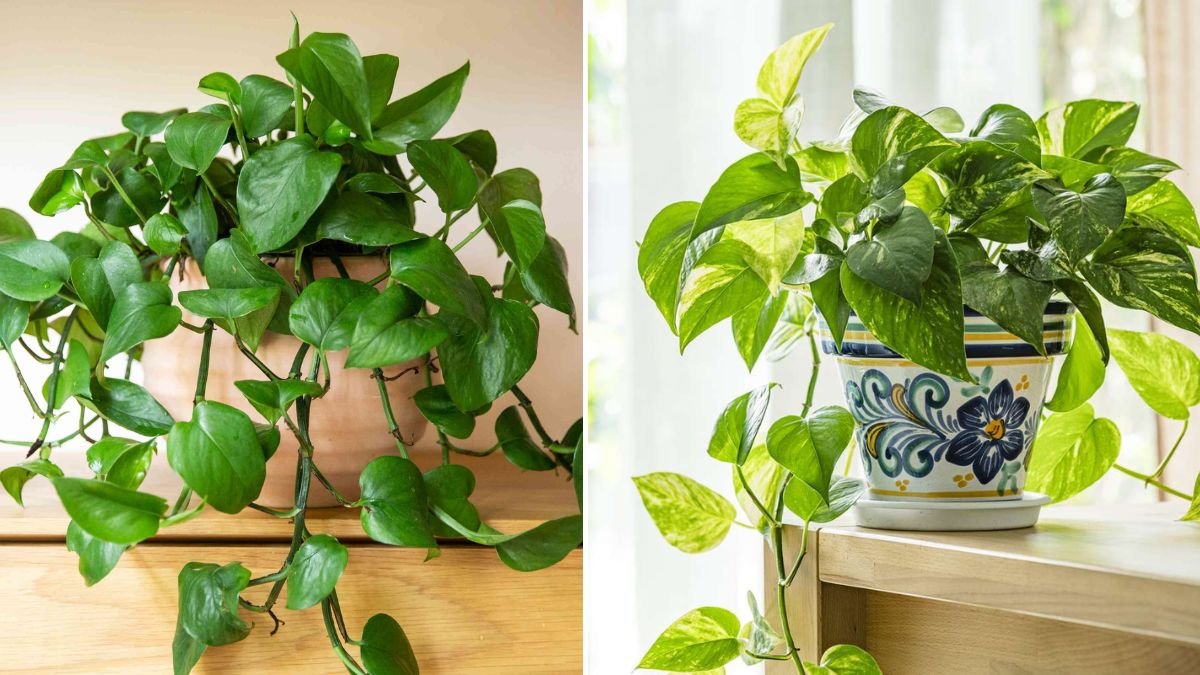
Pothos, or Epipremnum aureum, is one of the most popular houseplants, known for its beautiful trailing vines and lush, heart-shaped leaves. A favorite among both novice and seasoned gardeners, this tropical plant is not only easy to care for but also acts as an air purifier, making it an excellent choice for indoor spaces. If you are looking to enhance the growth of your pothos and achieve that lush greenery, you’ve come to the right place. This article provides easy tips and best practices for nurturing your pothos indoors.
1. Selecting the Right Pot and Soil
Choose the Right Pot
Latest Posts
- OnePlus 15T Smartphone Unveiled – Featuring 200MP Camera, Snapdragon 8 Elite Gen 5 and Massive Battery
- Lava Yuva 5G Unveiled – 120Hz Display and Strong Performance for Everyday Use
- Nokia 1100 Launched – Premium Keypad Phone Returns at Budget Price ₹2,500
- Motorola G96 5G Unveiled – Featuring Stylish Design, Strong Performance and Advanced Camera Tech
- Vivo Y21d Unveiled – Massive 6000mAh Battery for All-Day Everyday Use
- Nothing Phone 4 Ultra 5G Launched – 16GB RAM, AI-Powered 50MP Camera and Flagship Performance
- OnePlus 5G Smartphone Launched – 300MP AI Camera, 7000mAh Battery & 100W Fast Charging
- Nothing Phone 3a Pro – High processor smartphone for gaming lovers – battery is 5000mAH
- Realme 15 Pro – 3 days battery backup smartphone with 50MP front camera under ₹28,000
- Vivo X200 FE – 12GB RAM + 256GB Storage smartphone with HD quality camera
The first step in ensuring that your pothos thrives is selecting an appropriate pot. Opt for a pot that has sufficient drainage holes to prevent waterlogging, which can lead to root rot. Clay or ceramic pots are ideal because they allow for better air circulation and moisture regulation.
Use Quality Soil
Pothos prefers well-draining potting soil. You can either purchase a commercial soil mix designed for houseplants or create your own by mixing equal parts of peat moss, perlite, and vermiculite. This mixture provides good aeration and drainage while retaining enough moisture for healthy growth.
2. Optimal Lighting Conditions
Bright, Indirect Light
Pothos plants thrive in bright, indirect sunlight. While they can tolerate low light conditions, the growth may slow down, and variegated types may lose their colorful patterns. Place your pothos near a window, but ensure it’s not exposed to direct sunlight for prolonged periods, which can scorch the leaves.
Rotate Your Plant
To encourage even growth, make it a habit to rotate your pothos every few weeks. This way, all parts of the plant receive adequate light and grow uniformly.
3. Watering Practices
Check Moisture Levels
One of the most common mistakes when caring for pothos is overwatering. Allow the top inch of soil to dry out before watering again. Stick your finger into the soil; if it feels dry at the top but moist deeper down, it’s a good idea to water.
Use Room Temperature Water
Using room temperature water can help prevent shocking the plant’s roots. Water your pothos thoroughly, allowing excess water to drain out from the bottom of the pot, but never let it sit in water.
4. Humidity and Temperature
Maintain Humidity Levels
Pothos prefers a humidity level of around 40-70%. If your home has dry air, especially during winter months, consider using a humidifier or grouping your pothos with other plants to create a more humid microclimate.
Ideal Temperature Range
Keep your pothos in a consistent temperature range of 70-90°F (21-32°C). Avoid exposing it to drastic temperature changes, drafts, or close proximity to heaters or air conditioning vents.
5. Fertilization
Use a Balanced Liquid Fertilizer
Fertilize your pothos every 4-6 weeks during the growing season (spring and summer) with a balanced liquid fertilizer diluted to half strength. During the fall and winter months, reduce the frequency or stop fertilizing altogether, as the plant’s growth slows down.
Organic Alternatives
If you prefer organic options, you can use compost tea or a diluted seaweed solution. These organic fertilizers provide essential nutrients while promoting a healthy soil ecosystem.
6. Pruning and Training
Regular Pruning
Pruning not only helps to control the size of your pothos but also encourages bushier growth. Regularly trim back long vines and remove any yellowing or dead leaves. This practice promotes new growth and keeps the plant looking its best.
Training Your Plant
If you want your pothos to climb or trail in a specific direction, consider providing a support structure such as a moss pole, trellis, or hanging planter. Gently tie the vines to the support using plant ties or soft twine to guide their growth.
7. Pest Management
Watch for Common Pests
Pothos can fall victim to pests such as spider mites, mealybugs, and aphids. Regularly inspect your plant for signs of infestations, such as webbing or sticky residue. If pests are detected, treat them promptly with insecticidal soap or neem oil.
Keep the Leaves Clean
Dust can accumulate on the leaves, obstructing photosynthesis. Wipe the leaves gently with a damp cloth every month to keep them clean and allow the plant to breathe better.
8. Repotting
When to Repot
If you notice that your pothos is becoming root-bound—meaning the roots are growing out of the drainage holes or circling around the pot—it’s time to repot. This typically occurs every 1-2 years.
Selecting a New Pot
Choose a pot that is one size larger than the current one, ensuring it has adequate drainage. Refreshing the soil during repotting can also support healthy growth.
9. Seasonal Changes
Adjusting Care
As the seasons change, so should your care routine. Be mindful of changing light conditions in winter, and adjust watering frequencies based on seasonal humidity levels. Monitor your pothos closely during seasonal transitions and make adjustments as needed.
10. Additional Considerations
Propagation
Pothos is incredibly easy to propagate. Simply cut a 4-6 inch stem with a few leaves, remove the lower leaves, and place the cutting in water or soil. In a few weeks, roots will form, allowing you to create new plants.
Be Patient
Finally, remember that plant care requires patience. While pothos is relatively forgiving and easy to grow, results won’t happen overnight. Monitor your plant’s health regularly, and take notes to improve your care routine over time.
FAQs
1. How often should I water my pothos?
Water your pothos when the top inch of soil feels dry. Typically, this is once every 1-2 weeks, depending on environmental conditions.
2. Can pothos grow in low light conditions?
Yes, pothos can survive in low light but will grow more slowly. They thrive best in bright, indirect light.
3. What temperature is best for pothos?
Pothos thrives in temperatures between 70-90°F (21-32°C). Avoid exposing it to extreme temperature changes.
4. How do I propagate pothos?
You can propagate pothos by taking a cutting of a stem with a few leaves and placing it in water or soil. Roots will develop in a few weeks.
5. What should I do if my pothos leaves are yellowing?
Yellowing leaves may indicate overwatering or poor drainage. Check the soil moisture and ensure your pot has good drainage.
6. How can I increase humidity for my pothos?
To increase humidity, you can use a humidifier, mist the leaves regularly, or place your plant in a bathroom or kitchen where humidity is naturally higher.
7. How often should I fertilize pothos?
Fertilize your pothos every 4-6 weeks during the growing season (spring and summer) with a balanced liquid fertilizer, reducing frequency in fall and winter.
By following these easy tips, you can encourage lush greenery and ensure that your pothos thrives indoors. Happy gardening!