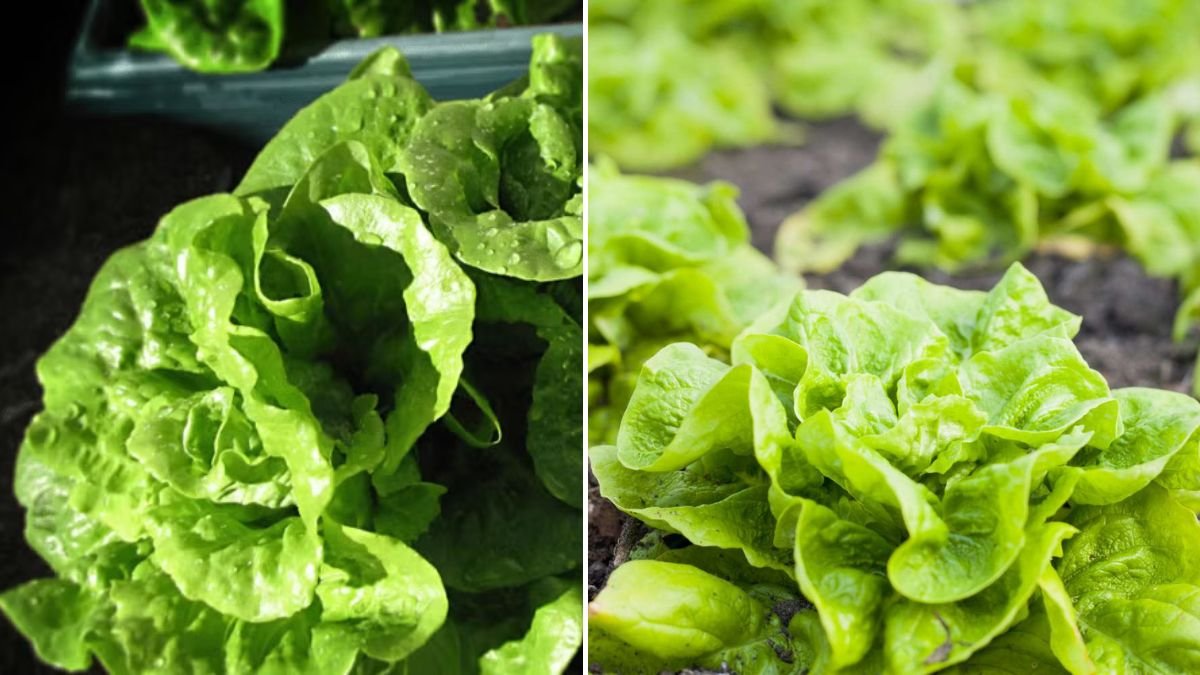
Growing leaf lettuce indoors can be a rewarding and sustainable way to enjoy fresh greens all year round. Whether you’re an avid gardener or a complete novice, this guide will walk you through everything you need to know to cultivate healthy, vibrant lettuce from the comfort of your home.
Why Grow Leaf Lettuce Indoors?
Lettuce is one of the easiest and fastest-growing vegetables, making it an ideal choice for indoor gardening. Here are some compelling reasons to grow your own leaf lettuce:
Latest Posts
- OnePlus 15T Smartphone Unveiled – Featuring 200MP Camera, Snapdragon 8 Elite Gen 5 and Massive Battery
- Lava Yuva 5G Unveiled – 120Hz Display and Strong Performance for Everyday Use
- Nokia 1100 Launched – Premium Keypad Phone Returns at Budget Price ₹2,500
- Motorola G96 5G Unveiled – Featuring Stylish Design, Strong Performance and Advanced Camera Tech
- Vivo Y21d Unveiled – Massive 6000mAh Battery for All-Day Everyday Use
- Nothing Phone 4 Ultra 5G Launched – 16GB RAM, AI-Powered 50MP Camera and Flagship Performance
- OnePlus 5G Smartphone Launched – 300MP AI Camera, 7000mAh Battery & 100W Fast Charging
- Nothing Phone 3a Pro – High processor smartphone for gaming lovers – battery is 5000mAH
- Realme 15 Pro – 3 days battery backup smartphone with 50MP front camera under ₹28,000
- Vivo X200 FE – 12GB RAM + 256GB Storage smartphone with HD quality camera
- Freshness: Enjoy the unmatched taste of freshly harvested lettuce.
- Nutritional Value: Homegrown greens retain more nutrients compared to store-bought ones that may have been harvested weeks prior.
- Cost-Effective: Growing your own lettuce can save you money in the long run, especially if you consume it regularly.
- Sustainability: Reduce your carbon footprint by limiting your dependence on store-bought produce, which often involves transportation and packaging.
- Control: You have full control over your growing conditions, ensuring your lettuce is pesticide-free.
Selecting the Right Varieties
When it comes to growing leaf lettuce indoors, variety selection is crucial. Some popular varieties include:
- Butterhead: Soft and tender leaves, sweet flavor.
- Romaine: Crisp and sturdy, excellent for salads.
- Looseleaf: Fast-growing and easy to harvest, ideal for continuous picking.
- Mesclun Mix: A combination of young salad greens for diverse flavor.
Choose varieties based on your taste preferences and the space you have available.
Setting Up Your Indoor Garden
1. Selecting the Right Location
Find a spot in your home that gets enough light—about 12-16 hours a day is optimal. South-facing windows are best, but if natural light is limited, consider grow lights.
2. Grow Light Options
If relying on sunlight isn’t feasible, LED grow lights are an excellent option. These lights often provide the full spectrum of light necessary for healthy plant growth and can be adjusted in height as your lettuce grows.
3. Choosing Containers
Pick containers with drainage holes to prevent overwatering. Options include:
- Plastic pots
- Hydroponic systems
- Seedling trays
4. Soil Selection
Use a quality potting mix that’s lightweight and well-draining. Avoid garden soil, as it may introduce pests and diseases. Look for mixes that contain peat moss, vermiculite, or perlite for optimal aeration and moisture retention.
Planting Leaf Lettuce
1. Seed Preparation
If you’re starting from seeds, soak them in water for a few hours before planting. This helps speed up germination.
2. Sowing Seeds
Sow seeds according to the packet instructions, typically ¼ inch deep. Space them about 1-2 inches apart to allow for ample growth and airflow.
3. Watering
Moisten the soil thoroughly after planting. Keep the soil consistently moist but not soggy. Use a spray bottle or a gentle watering can to avoid displacing seeds.
Caring for Your Indoor Lettuce
1. Light Management
If you’re using grow lights, position them about 6-12 inches above the plants and adjust as they grow. Turn lights on for about 12-16 hours daily to mimic natural sunlight.
2. Temperature and Humidity
Lettuce thrives in cooler environments, ideally between 60-70°F (15-21°C). Maintain humidity levels around 50-70%, as dry air can lead to wilting.
3. Fertilization
Apply a liquid fertilizer every 2-4 weeks. Choose a balanced NPK (Nitrogen-Phosphorus-Potassium) fertilizer, but avoid over-fertilization, as it can lead to nutrient burn.
4. Pest Management
Indoor plants can still attract pests, so regularly inspect your lettuce for signs of aphids, spider mites, or whiteflies. You can use insecticidal soap or neem oil to manage any infestations.
Harvesting Your Leaf Lettuce
1. Timing
You can start harvesting leaf lettuce when the leaves are about 4-6 inches long. Typically, this is 4-6 weeks after sowing, depending on the variety.
2. Methods
For looseleaf lettuce, you can use the “cut-and-come-again” method. Harvest the outer leaves, leaving the inner ones to continue growing. For head varieties, cut the entire head at the base.
3. Post-Harvest Care
After harvesting, rinse the lettuce in cold water to remove any soil or pests. Store it in a container or a produce bag in your refrigerator’s crisper drawer to maintain freshness.
Troubleshooting Common Problems
1. Leggy Growth
If your lettuce plants become tall and spindly, they are likely not getting enough light. Adjust your grow lights closer or extend the duration they are on each day.
2. Bitter Flavor
Bitter lettuce can result from stress, usually due to heat or insufficient water. Keep temperatures cool and check that your plants are receiving the right amount of moisture.
3. Yellow Leaves
Yellowing indicates overwatering or nutrient deficiencies. Check your soil moisture levels and consider applying a balanced fertilizer.
FAQs
Q1: How often should I water my indoor lettuce?
You should water your lettuce when the top inch of soil feels dry. This could range from once a day to every few days, depending on your indoor climate.
Q2: Can I grow lettuce in regular potting soil?
While you can use regular potting soil, it is advisable to choose a light, well-draining mix specifically designed for container gardening to prevent issues with root rot.
Q3: How can I tell when my lettuce is ready to be harvested?
Lettuce is typically ready to harvest when it reaches about 4-6 inches in height. Start by picking the outer leaves and doing the “cut-and-come-again” method for continuous growth.
Q4: Is it possible to grow lettuce in winter?
Absolutely! By providing sufficient light and maintaining the right temperature, you can successfully grow lettuce indoors throughout the winter months.
Q5: What pests should I watch out for when growing lettuce indoors?
Common indoor pests include aphids, spider mites, and whiteflies. Regularly inspecting your plants and using insecticidal soap can help manage these pests.
Q6: How much light do indoor lettuce plants need?
Lettuce requires about 12-16 hours of light per day. If you’re using grow lights, keep them on for this duration to ensure healthy growth.
Conclusion
Growing leaf lettuce indoors year-round is an achievable and enjoyable endeavor. By understanding the essentials—from selecting the right variety and setting up your indoor garden to caring for your plants and troubleshooting common issues—you can enjoy a bountiful harvest of fresh, nutritious lettuce anytime you want. Happy gardening!