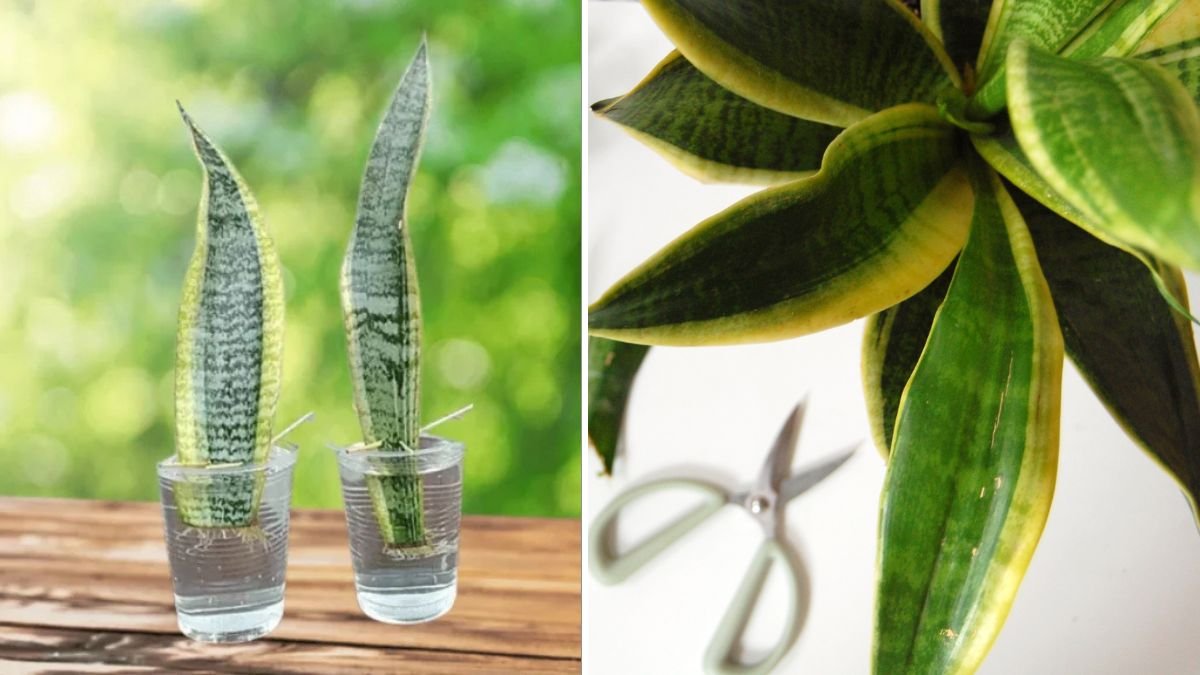
Snake plants, also known as Sansevieria or Dracaena trifasciata, are among the most popular houseplants due to their striking appearance and resilience. These hardy plants thrive in various conditions and are particularly easy to propagate, making them an excellent choice for both novice and experienced gardeners. This article will focus on water propagation techniques to grow healthy snake plant pups, enabling you to expand your collection and beautify your space without the use of soil.
Understanding Snake Plant Pups
Snake plant pups are the small offshoots that emerge from the base of a mature snake plant. These pups can be separated and propagated to create new plants. Not only does propagation allow you to expand your plant collection, but it also contributes to the health of the parent plant by reducing competition for resources.
Latest Posts
- OnePlus 15T Smartphone Unveiled – Featuring 200MP Camera, Snapdragon 8 Elite Gen 5 and Massive Battery
- Lava Yuva 5G Unveiled – 120Hz Display and Strong Performance for Everyday Use
- Nokia 1100 Launched – Premium Keypad Phone Returns at Budget Price ₹2,500
- Motorola G96 5G Unveiled – Featuring Stylish Design, Strong Performance and Advanced Camera Tech
- Vivo Y21d Unveiled – Massive 6000mAh Battery for All-Day Everyday Use
- Nothing Phone 4 Ultra 5G Launched – 16GB RAM, AI-Powered 50MP Camera and Flagship Performance
- OnePlus 5G Smartphone Launched – 300MP AI Camera, 7000mAh Battery & 100W Fast Charging
- Nothing Phone 3a Pro – High processor smartphone for gaming lovers – battery is 5000mAH
- Realme 15 Pro – 3 days battery backup smartphone with 50MP front camera under ₹28,000
- Vivo X200 FE – 12GB RAM + 256GB Storage smartphone with HD quality camera
Why Propagate Snake Plants?
- Cost-Effective: Rather than purchasing new plants, you can easily propagate your existing ones.
- Plant Health: Regularly removing pups can promote better growth for the parent plant.
- Gifting: Propagated pups make wonderful gifts for friends, family, or fellow plant enthusiasts.
Water Propagation: A Soil-Free Approach
Water propagation involves placing plant cuttings or pups in water to encourage root growth. This technique is particularly beneficial for snake plants, as they are hardy and adaptable. Here’s a step-by-step guide to successfully propagate snake plant pups using water.
Step 1: Selecting Healthy Pups
Before you start the propagation process, select healthy pups from your mature snake plant. Look for pups that have healthy, green leaves and are at least a few inches tall. Avoid selecting pups that appear wilted or discolored, as these may not thrive in propagation.
Step 2: Preparing the Pups for Propagation
Using a clean, sharp knife or scissors, carefully separate the pup from the parent plant. Ensure you make a clean cut, ideally just above the roots to minimize damage. The cutting should have some roots attached if possible, as this will increase the chances of successful propagation.
Step 3: Place in Water
- Choose a Container: Select a glass or jar that can hold water and will allow you to see the roots as they develop.
- Fill with Water: Use room temperature, distilled, or filtered water. Avoid using tap water, as it may contain chemicals that can harm the plant. Fill the container with enough water to submerge the roots, but leave the leaves above water.
- Position the Pups: Place the prepared snake plant pups in the container, ensuring that the roots are submerged in water, while the leaves remain dry.
Step 4: Providing Optimal Conditions
To encourage healthy growth, place the container in a location that receives indirect sunlight. Direct sunlight can overheat the water and damage the roots. A well-lit windowsill or a spot with bright, filtered light is ideal.
Step 5: Change the Water Regularly
To prevent algae bloom and bacteria growth, change the water every couple of weeks or when it appears cloudy. When changing the water, gently rinse the roots to ensure a healthy environment for growth.
Step 6: Wait for Roots to Develop
Patience is essential during this process. Roots should start to emerge within 2-4 weeks, depending on environmental conditions. Healthy roots will be white or light brown and should be at least 2-3 inches long before transferring to soil.
Step 7: Transplant to Soil (Optional)
While water propagation is successful, the ultimate goal for many gardeners is to transfer the rooted pups to soil eventually. Use a well-draining potting mix, ideally a cactus or succulent mix. Gently remove the pup from water, ensuring minimal damage to the roots, and plant it in the soil. Water lightly to help the plant acclimate.
Common Issues in Water Propagation
While water propagation is relatively straightforward, you may encounter a few issues during the process:
1. Root Rot
If you notice a foul smell or browning of the roots, this may be a sign of root rot. Ensure you change the water regularly and avoid submerging the leaves, which can promote decay.
2. Lack of Root Development
If your pups are not producing roots after a month, consider the following factors:
- Ensure adequate light.
- Check the water quality.
- Avoid keeping the container too warm.
3. Discoloration of Leaves
If you notice the leaves turning yellow or brown, it may be due to over-exposure to sunlight or insufficient nutrients. Relocate the container to a more suitable light condition.
FAQs
1. How long does it take for snake plant pups to root in water?
Typically, it can take 2-4 weeks for roots to develop, but this can vary based on environmental conditions.
2. Can I propagate snake plant pups in soil instead of water?
Yes, you can propagate pups directly in soil; however, water propagation allows for better visibility of root development and can reduce the risk of root rot.
3. How do I know when to transplant my pups to soil?
Transplant when roots are at least 2-3 inches long. When gently pulling on the pup, it should feel secure — this indicates that the roots are established.
4. Will my snake plant thrive in low light conditions?
While snake plants are adaptable, they prefer bright, indirect light. Low-light conditions may slow their growth but should not kill them.
5. How often should I water my snake plants once they are in soil?
Allow the soil to dry out between waterings. Generally, watering every 2-3 weeks is sufficient, but always adjust based on environmental conditions.
6. Can I propagate snake plants in winter?
Yes, you can propagate in winter; however, growth may slow down. Ensure they have enough warmth and light to thrive.
Conclusion
Water propagation offers a simple and effective way to grow healthy snake plant pups without the need for soil. By following the methods outlined in this article, you can enjoy the benefits of multiple snake plants in your home. This technique not only enriches your indoor garden but also provides a rewarding and engaging experience for plant lovers. With patience and care, you’ll soon have thriving snake plant pups ready to beautify your space or share with others. Happy propagating!