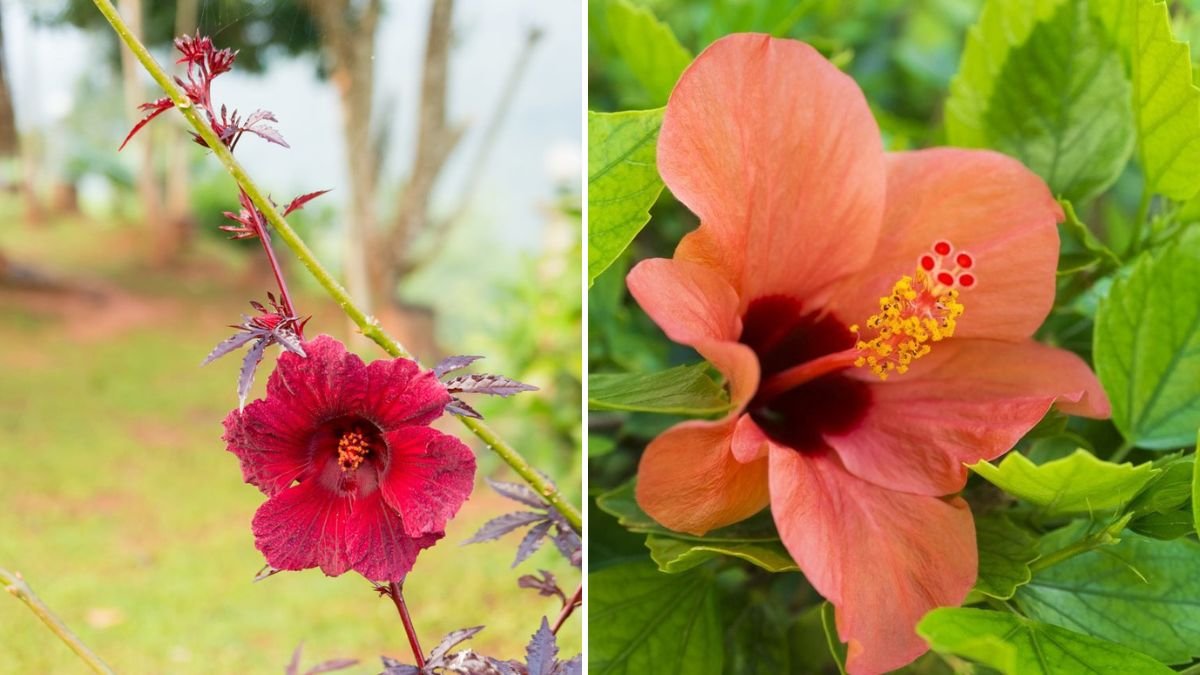
Hibiscus is one of the most stunning flowering plants you can grow at home. Known for its large, colorful blooms and medicinal benefits, the hibiscus plant can thrive beautifully in pots, gardens, balconies, and terraces. With the right care and environment, this plant will reward you with eye-catching flowers almost every week.
In this comprehensive 1200-word guide, you’ll learn everything about growing and caring for a hibiscus plant—from planting and propagation to watering, fertilizing, and boosting blooms.
Let’s begin your journey to growing the perfect hibiscus!
Why Grow a Hibiscus Plant?
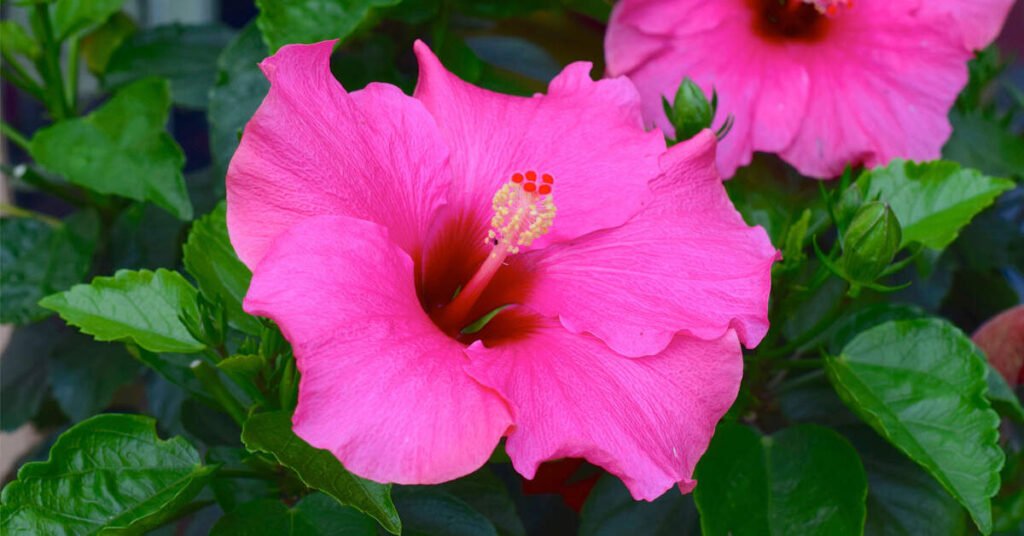
Hibiscus is popular worldwide for several reasons:
1. Long-Lasting Beauty
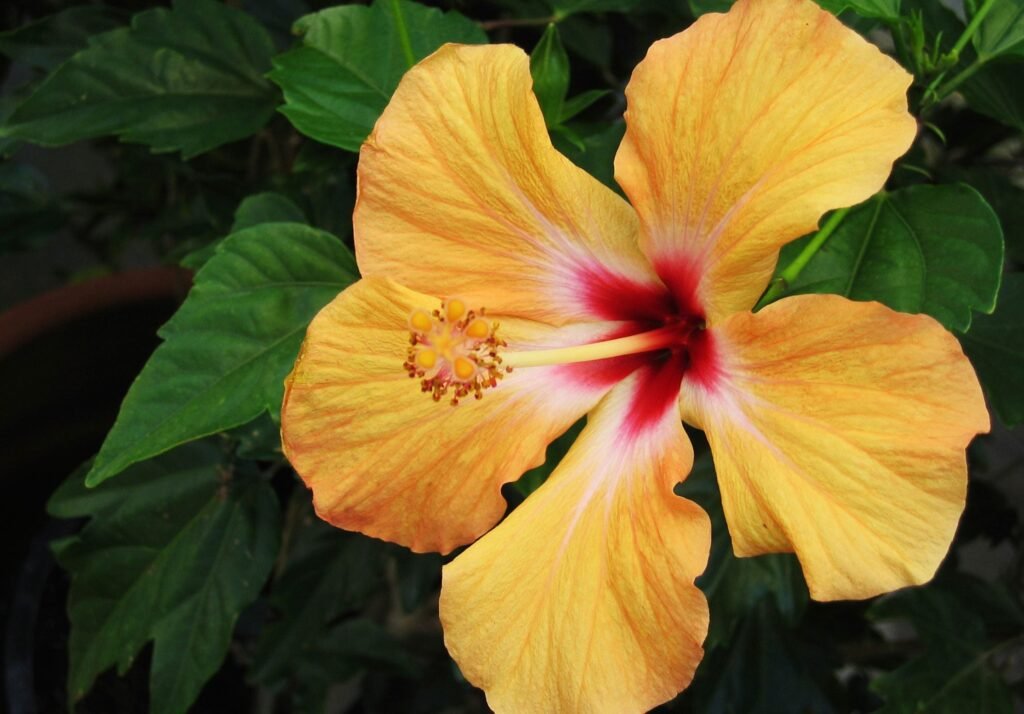
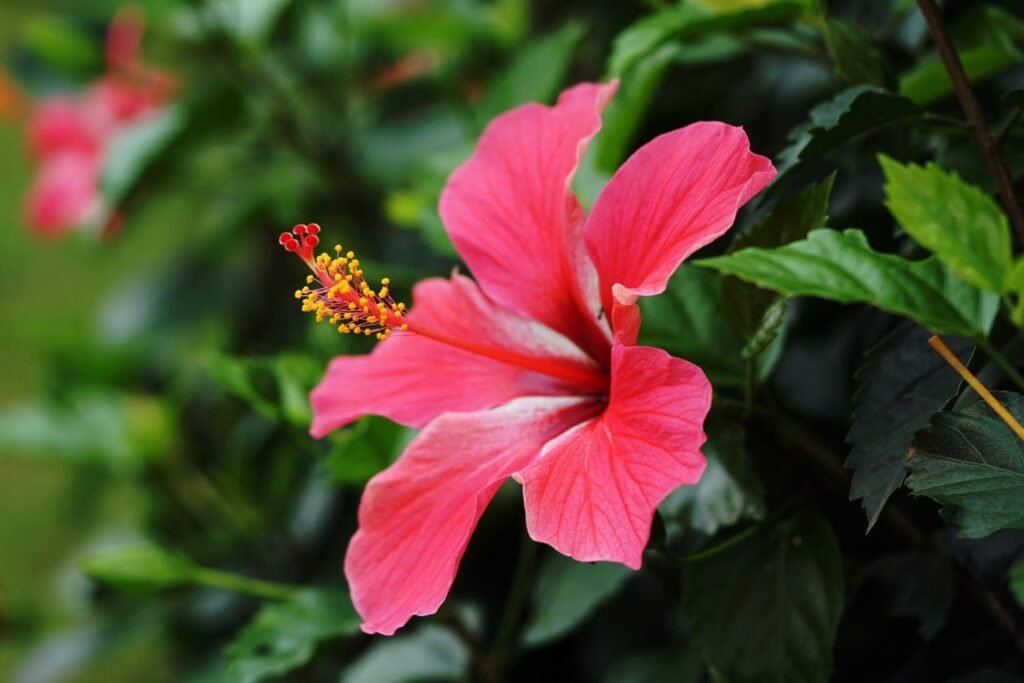
The flowers are large, bright, and available in many colors—red, yellow, pink, white, orange, and even multi-colored varieties.
Latest Posts
- OnePlus 15T Smartphone Unveiled – Featuring 200MP Camera, Snapdragon 8 Elite Gen 5 and Massive Battery
- Lava Yuva 5G Unveiled – 120Hz Display and Strong Performance for Everyday Use
- Nokia 1100 Launched – Premium Keypad Phone Returns at Budget Price ₹2,500
- Motorola G96 5G Unveiled – Featuring Stylish Design, Strong Performance and Advanced Camera Tech
- Vivo Y21d Unveiled – Massive 6000mAh Battery for All-Day Everyday Use
- Nothing Phone 4 Ultra 5G Launched – 16GB RAM, AI-Powered 50MP Camera and Flagship Performance
- OnePlus 5G Smartphone Launched – 300MP AI Camera, 7000mAh Battery & 100W Fast Charging
- Nothing Phone 3a Pro – High processor smartphone for gaming lovers – battery is 5000mAH
- Realme 15 Pro – 3 days battery backup smartphone with 50MP front camera under ₹28,000
- Vivo X200 FE – 12GB RAM + 256GB Storage smartphone with HD quality camera
2. Long Blooming Period
With proper care, hibiscus can bloom almost the entire year, especially in tropical climates.
3. Easy to Grow
It thrives well with minimal care and adapts quickly to containers.
4. Medicinal Uses
Hibiscus leaves and flowers are used to make hair oil, tea, and natural remedies.
5. Perfect for Home Gardens
It attracts butterflies, birds, and adds a stunning tropical look to your space.
Types of Hibiscus Plants
There are mainly two categories:
1. Tropical Hibiscus
- Needs warm temperatures
- Ideal for Indian climates
- Produces large, vibrant flowers
2. Hardy Hibiscus
- Tolerates cooler climates
- Large dinner-plate sized flowers
- Less common in tropical regions
Most home gardeners grow tropical hibiscus, and it’s extremely rewarding.
Best Climate and Season for Hibiscus
Hibiscus loves:
✔ Warm weather
✔ Plenty of sunlight
✔ Mild humidity
Ideal temperature: 20°C – 35°C
Best seasons to plant: Spring, early summer, or early monsoon.
Avoid planting during harsh winter because hibiscus slows down growth.
🪴 Choosing the Right Pot and Soil
1. Pot Size
Start with an 8–12 inch pot, and repot yearly to a bigger size.
Hibiscus loves space—bigger pot = more roots = bigger blooms.
2. Soil Mix
Hibiscus prefers soft, nutrient-rich, well-draining soil.
Recommended soil mix:
- 40% garden soil
- 30% compost / vermicompost
- 20% cocopeat
- 10% sand or perlite
Optional additions:
- A handful of neem cake
- Bone meal for strong root growth
This mix retains moisture but prevents waterlogging—perfect for hibiscus.
Planting or Propagating a Hibiscus Plant
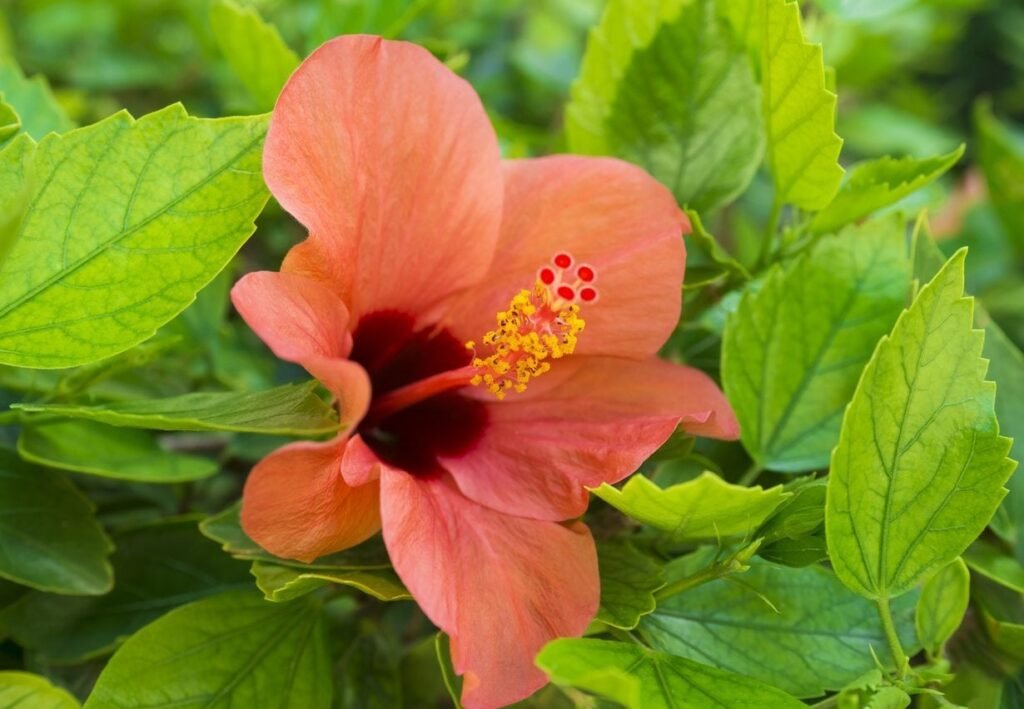
Hibiscus is commonly propagated through stem cuttings.
How to Propagate Hibiscus (Step-by-Step)
Step 1: Select the Cutting
Choose a branch that is:
✔ 5–7 inches long
✔ Semi-hardwood
✔ Free from pests and disease
✔ Has at least 3 nodes
Step 2: Prepare the Cutting
- Remove all lower leaves
- Keep only the top 2 leaves
- Scratch the bottom lightly to expose green tissue
Step 3: Dip in Rooting Hormone
You can use:
✔ Aloe vera gel
✔ Honey
✔ Cinnamon
✔ Commercial rooting hormone
Step 4: Plant in a Light Medium
Use cocopeat + sand mix for best results.
Place the cutting 2–3 inches deep.
Step 5: Maintain Humidity
Cover the pot with a transparent plastic cover or bottle to trap moisture and boost rooting.
Roots appear in 3–4 weeks.
Sunlight Requirements
Hibiscus LOVES the sun.
✔ Needs 4–6 hours of direct sunlight every day
✔ More sunlight = more flowers
✔ In extreme heat (45°C+), provide shade during noon
If your hibiscus is not flowering, the first reason is lack of sunlight.
Watering the Hibiscus Plant
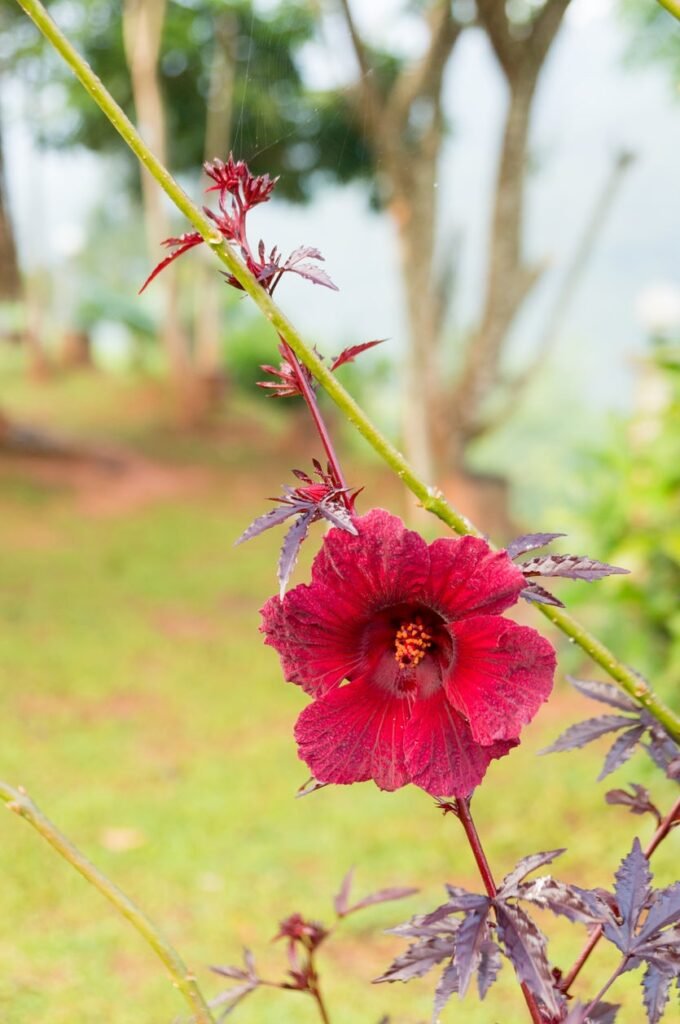
Watering correctly is very important.
Watering Rules:
- Keep the soil moist but not soggy
- Water daily in summer
- Alternate days in winter
- Reduce watering during monsoon if soil stays wet
Hibiscus does not like dry soil—it will drop buds and leaves.
How to Boost Hibiscus Flowering
To get large, vibrant blooms, follow these tips:
1. Provide Full Sunlight
Sunlight is the biggest factor for flowering.
2. Use the Right Fertilizers
Hibiscus is a heavy feeder.
Feed every 15 days with:
✔ Vermicompost
✔ Banana peel fertilizer
✔ Seaweed extract
✔ NPK 6-12-6
✔ Epsom salt (monthly, for greener leaves)
Avoid high nitrogen fertilizers—they promote leaves, not flowers.
3. Pruning Helps
Trim weak, dry, or long branches every 2–3 months.
Pruning boosts new growth and more flower buds.
4. Keep the Soil Slightly Acidic
Hibiscus prefers slightly acidic soil (pH 6–6.5).
You can use:
✔ Tea waste
✔ Coffee grounds (small amounts)
5. Remove Dried Flowers
Deadheading stimulates new blooms.
Common Pests and Diseases
Hibiscus can attract a few pests:
1. Aphids
Small green insects on new leaves.
2. Mealybugs
White cotton-like insects on stems.
3. Spider Mites
Red insects that create webs on leaves.
How to Control Them Naturally
✔ Spray neem oil every 10–15 days
✔ Soap water spray
✔ Remove infected leaves
Healthy plants resist pests better.
Repotting the Hibiscus Plant
Repot every 12–18 months for better flowering.
Signs your hibiscus needs repotting:
- Water drains too quickly
- Roots coming out of the bottom
- Slow growth
- Smaller flowers
When repotting:
✔ Move to a pot 2–4 inches larger
✔ Trim old roots slightly
✔ Replace 50% of old soil
Your plant will grow faster immediately after.
Seasonal Care Tips
Summer Care
- Give more water
- Provide partial shade during peak heat
- Spray water on leaves to cool the plant
Winter Care
- Keep in warm sunlight
- Avoid overwatering
- Reduce fertilizer
Monsoon Care
- Check for pests
- Improve drainage
- Reduce watering if soil remains wet
Why Hibiscus Isn’t Blooming (Most Common Reasons)
If your plant is healthy but not flowering, it may be due to:
Low sunlight
Too much nitrogen fertilizer
Root-bound plant
Underwatering
Overwatering
Pest attack
Old soil with no nutrients
Fix these issues and your hibiscus will bloom beautifully again.
How to Make Hibiscus Flowers Bigger
Use this simple recipe every 15 days:
Homemade Flower Booster:
- 1 tablespoon bone meal
- 1 tablespoon mustard cake powder
- 1 tablespoon seaweed extract
Mix into soil or dilute in water.
This boosts plant strength and enhances bloom size.
Benefits of Hibiscus for Home and Health
Hibiscus is not only beautiful but offers many benefits:
✔ Leaves used to make hair oil
✔ Flowers reduce hair fall
✔ Hibiscus tea improves immunity
✔ Purifies air around your home
✔ Adds a tropical look to your garden
Final Thoughts
Growing a hibiscus plant is incredibly simple and rewarding. With the right sunlight, soil, watering, and fertilizer schedule, you can enjoy huge, colorful blooms throughout the year. Whether you’re a beginner or an experienced gardener, hibiscus is a must-have plant for every home garden.
Follow the steps in this guide, and your hibiscus plant will grow healthier, fuller, and more beautiful than ever!