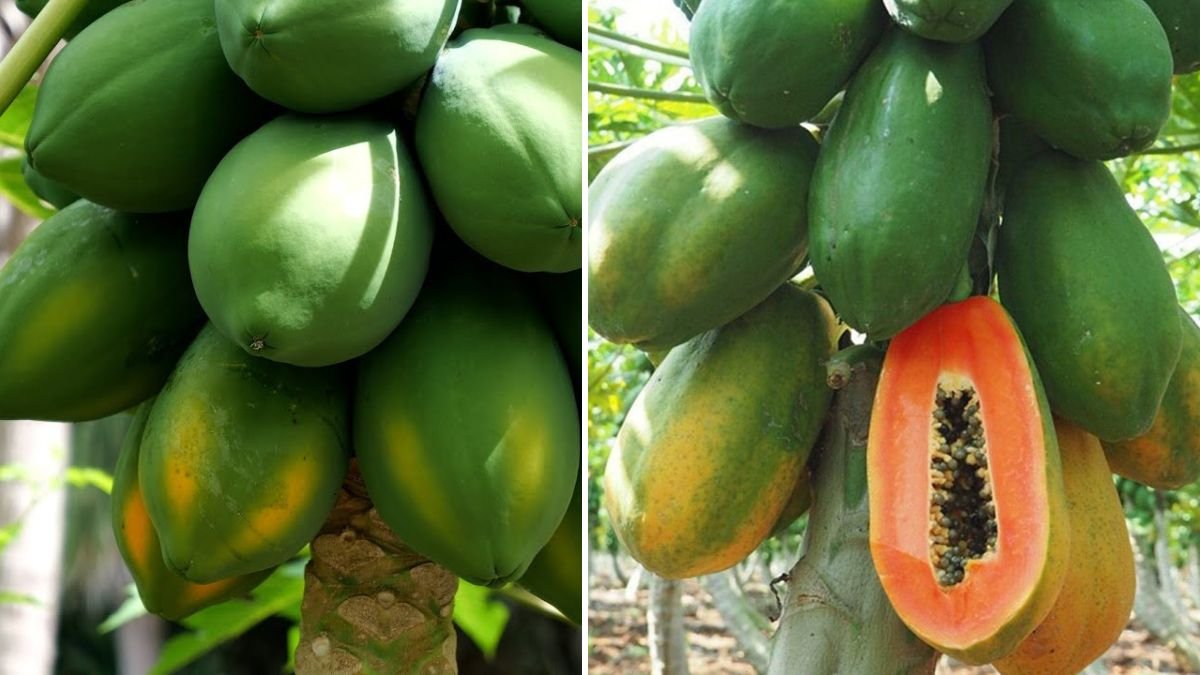
Papaya is one of the easiest and fastest-growing fruit trees you can cultivate at home. Known for its sweet taste, medicinal properties, and ability to bear fruit within a year, papaya is a favorite among home gardeners. Whether you have a large backyard, a small terrace, or an open field, growing a papaya tree is simple, rewarding, and highly productive when done correctly.
This detailed guide will teach you how to grow a papaya tree from seed to harvest, ensuring strong growth, early fruiting, and abundant yields.
Why Grow Papaya at Home?
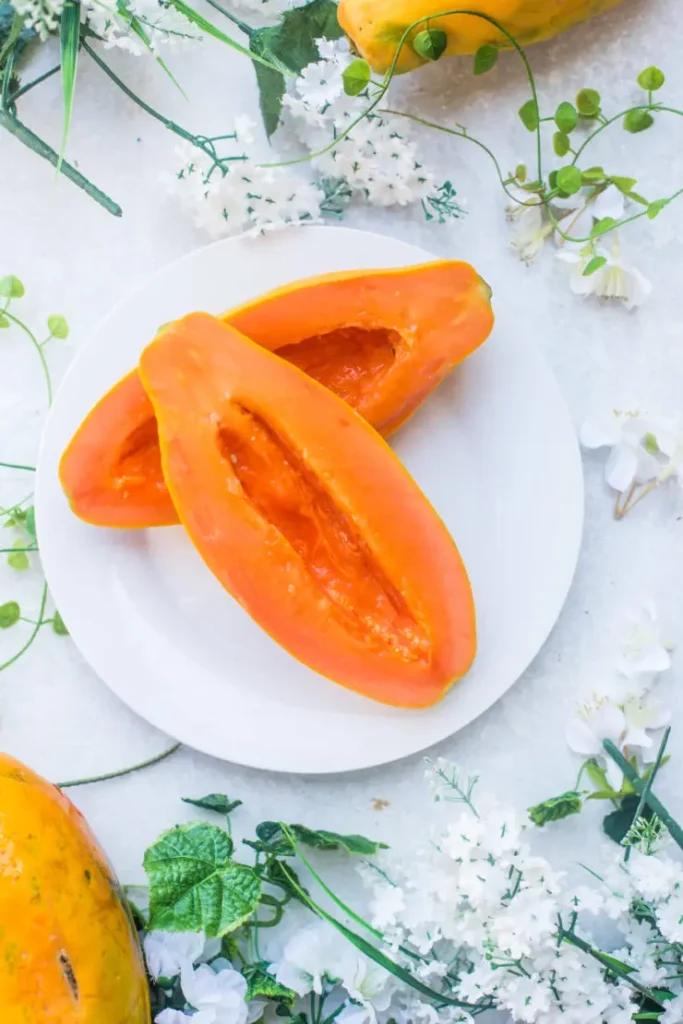
Papaya is not just delicious; it’s also packed with nutrients like Vitamins A, C, and E, digestive enzymes (papain), and antioxidants.
Here’s why papaya is perfect for home gardens:
- Fast growth—fruiting can start in 6–12 months
- Low maintenance—requires minimal care once established
- High productivity—single tree can produce 50–120 fruits per year
- Space-friendly—can be grown in pots or open soil
- Disease-resistant compared to many other fruit trees
- Year-round fruiting in tropical regions
Now let’s begin the step-by-step method to grow papaya successfully.
Latest Posts
- OnePlus 15T Smartphone Unveiled – Featuring 200MP Camera, Snapdragon 8 Elite Gen 5 and Massive Battery
- Lava Yuva 5G Unveiled – 120Hz Display and Strong Performance for Everyday Use
- Nokia 1100 Launched – Premium Keypad Phone Returns at Budget Price ₹2,500
- Motorola G96 5G Unveiled – Featuring Stylish Design, Strong Performance and Advanced Camera Tech
- Vivo Y21d Unveiled – Massive 6000mAh Battery for All-Day Everyday Use
- Nothing Phone 4 Ultra 5G Launched – 16GB RAM, AI-Powered 50MP Camera and Flagship Performance
- OnePlus 5G Smartphone Launched – 300MP AI Camera, 7000mAh Battery & 100W Fast Charging
- Nothing Phone 3a Pro – High processor smartphone for gaming lovers – battery is 5000mAH
- Realme 15 Pro – 3 days battery backup smartphone with 50MP front camera under ₹28,000
- Vivo X200 FE – 12GB RAM + 256GB Storage smartphone with HD quality camera
1. Choosing the Best Papaya Variety
Papaya comes in three major types:
1. Red Lady Papaya (Hybrid)
- Early fruiting
- High yield
- Sweet, red flesh
- Ideal for home gardens
2. Pusa Dwarf Papaya
- Grows small but fruits heavily
- Suitable for pots or limited space
3. Desi Papaya (Local Varieties)
- Hardy and disease-resistant
- Good flavor
Choose a variety based on your climate and space.
2. How to Grow Papaya From Seeds
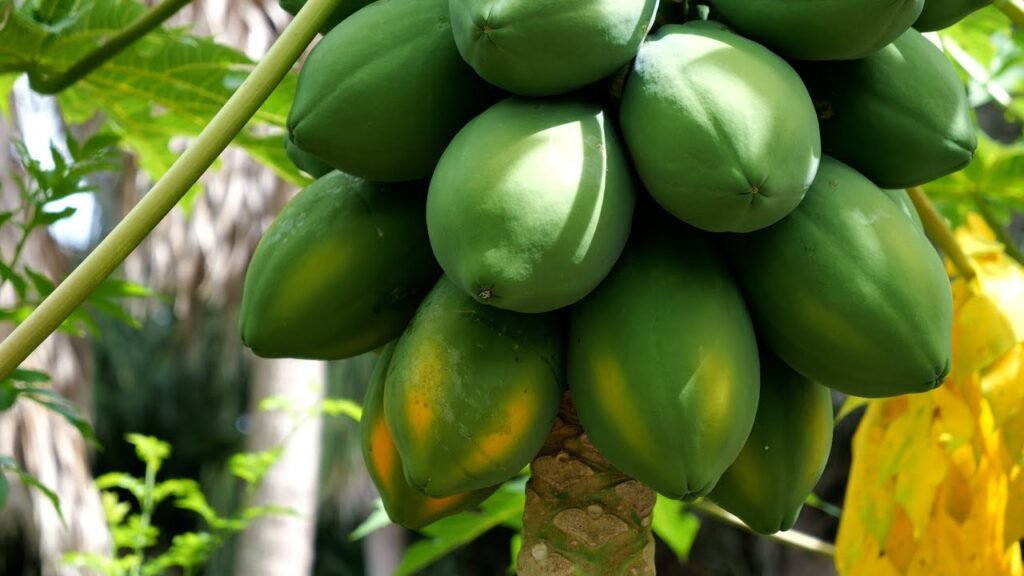
Step 1: Collect Fresh Seeds
Use seeds from a fully ripe papaya or buy hybrid seeds for better results.
Step 2: Clean the Seeds
Rub seeds gently to remove the slimy coating; this helps faster germination.
Step 3: Soak the Seeds
Soak seeds in water for 12 hours to activate the embryo.
Step 4: Prepare the Seed Starter Mix
Use a light, well-draining mix:
- 50% cocopeat
- 30% compost
- 20% sand or perlite
Step 5: Plant the Seeds
- Sow seeds 1 cm deep
- Keep spacing of 1–2 inches
- Mist with water; do not overwater
Step 6: Maintain Warmth & Moisture
Place the tray in a warm, shaded area. Seeds germinate in 10–20 days.
When seedlings reach 6–8 inches, they are ready for transplanting.
3. Planting Papaya in Soil or Pots
Papaya grows beautifully in both open ground and large containers.
🌱 Growing Papaya in Open Ground
- Choose a sunny location (6–8 hours of sunlight daily)
- Dig a pit of size 2 × 2 feet
- Fill with a mixture of:
- 50% garden soil
- 30% compost
- 20% sand
🌱 Growing Papaya in Pots
Use:
- Minimum 25–30 gallon grow bag OR
- Big cement pot/drum (at least 18–20 inches deep)
Papaya roots need space—bigger pots = bigger fruits.
Transplanting Tips
- Plant 2–3 seedlings in one spot; later keep the strongest one
- Water gently to avoid root damage
- Add 2–3 handfuls of compost into the planting hole
4. Sunlight, Temperature & Ideal Climate
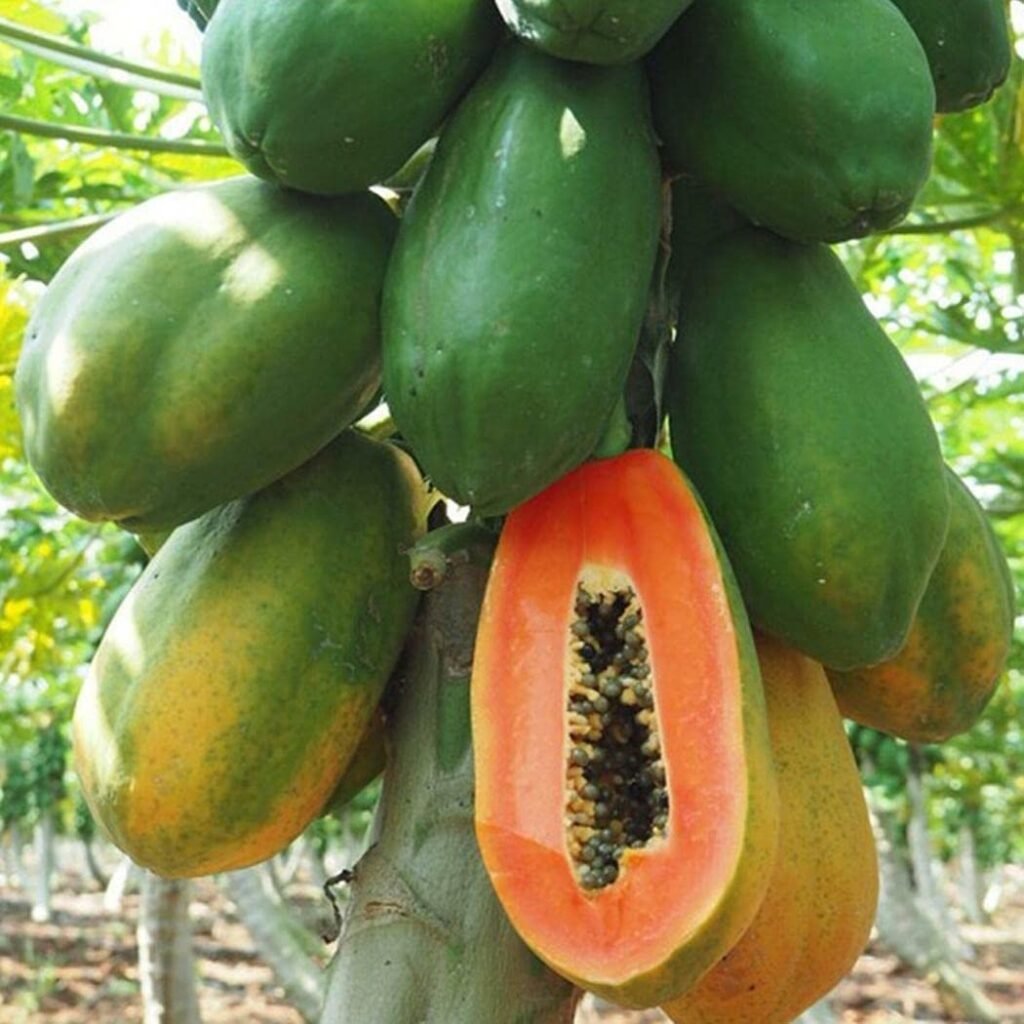
Papaya loves warm climates.
- Sunlight: 6–8 hours daily
- Temperature: 22–35°C (Ideal)
- Humidity: Moderate to high
- Frost: Papaya is sensitive to cold—protect in winter
In colder seasons, use:
- Mulch around roots
- Light plastic cover during frost
- Keep soil dry during extreme cold
5. Watering the Papaya Plant
Papaya needs the right balance of moisture—not too much, not too little.
Watering Rules
- Water every 2–3 days during summer
- Keep soil moist but never waterlogged
- Reduce watering during winter
- Ensure drainage holes if growing in pots
Overwatering causes root rot, the biggest enemy of papaya plants.
6. Fertilizing Papaya for Fast Growth & Big Fruits
Papaya is a heavy feeder. To get big, sweet fruits, follow this schedule:
Organic Fertilizers:
- Every 20–30 days:
- 2–3 kg compost
- 500 g vermicompost
- 100 g neem cake
Liquid Boosters (Every 15 days):
- Compost tea
- Seaweed extract
- Mustard cake solution
- Banana peel fertilizer
Micronutrients:
Spray a foliar solution of zinc, iron, and magnesium once a month.
These nutrients support flowering, fruit formation, and sweetness.
7. Pruning & Maintenance
Papaya doesn’t need heavy pruning, but some maintenance boosts growth:
- Remove yellow or dead leaves
- Cut off lower leaves to increase airflow
- Remove small side shoots
- Support the trunk if heavy fruiting starts
Clean pruning prevents pests and diseases.
8. Pest & Disease Control
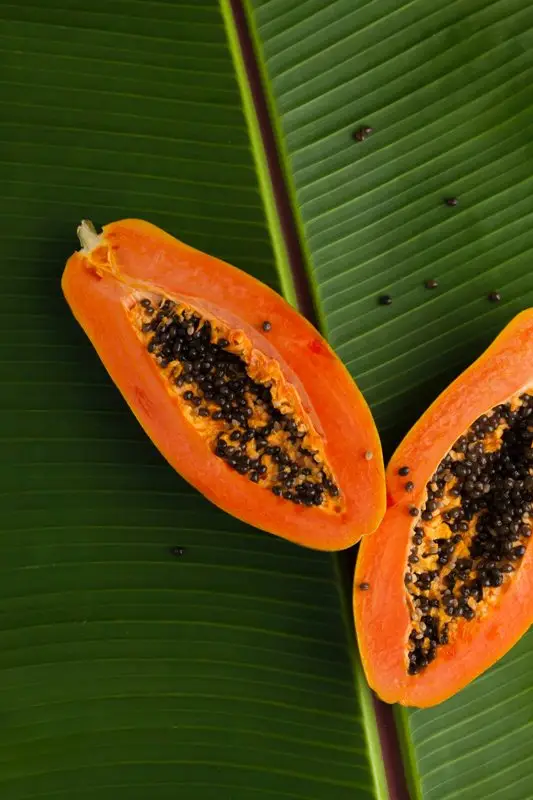
Papaya faces 3 common issues:
1. Aphids / Whiteflies
Symptoms: curled leaves
Solution: Neem oil spray weekly
2. Fungal Rot
Caused by overwatering
Solution: Good drainage + Trichoderma in soil
3. Fruit Flies
Solution:
- Use fruit fly traps
- Cover young fruits with paper bags
Preventing pests early ensures better-quality fruits.
9. Flowering & Fruit Formation
Papaya begins flowering in 4–6 months and fruiting in 7–12 months.
Types of Flowers:
- Male
- Female
- Hermaphrodite (best for fruiting)
To Ensure Good Fruit Setting:
- Provide full sunlight
- Avoid overwatering
- Give potassium-rich fertilizers
- Remove excess flowers to promote bigger fruits
Female flowers produce round fruits, while hermaphrodites produce elongated ones.
10. Harvesting Papaya
Papaya fruits take 60–90 days to mature after flowering.
Signs of Ripeness:
- Skin turns slightly yellow
- Fruits become soft to touch
- Sweet aroma develops
Harvest carefully—papaya bruises easily.
Pro Tip:
If you want papaya to ripen faster, keep it in a paper bag with bananas or apples.
11. Growing Papaya in Small Spaces
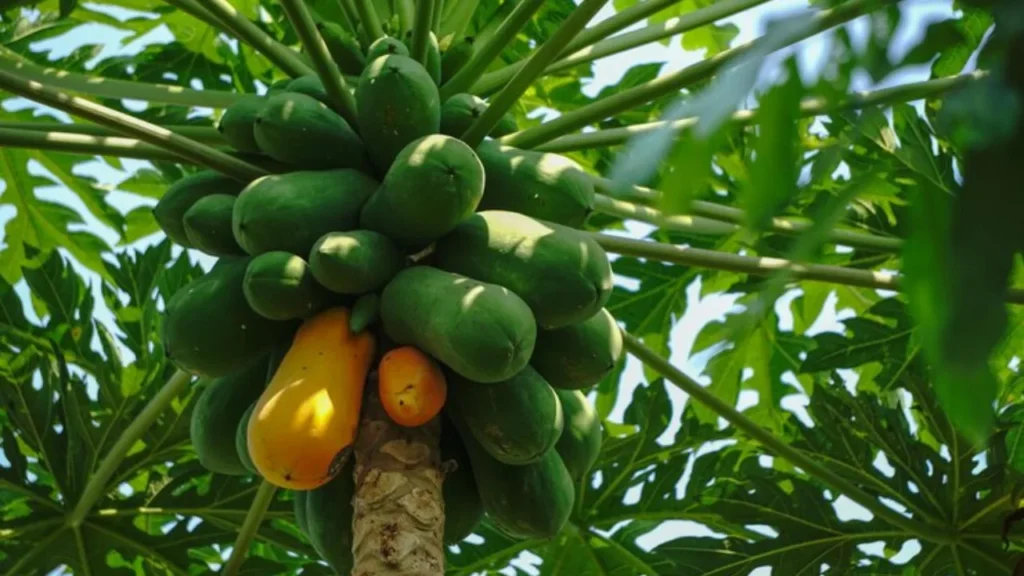
Even if you live in an apartment, you can grow papaya successfully in pots.
Tips for container papaya:
- Use dwarf or hybrid varieties
- Keep in the sunniest part of your balcony/terrace
- Fertilize more frequently
- Ensure excellent drainage
A single plant can give you fruits for 2–3 years in containers.
12. Common Problems & Solutions
❗ Problem: Plant Growing Tall but No Fruits
Solution: Add potash, ensure sunlight, remove male plants.
❗ Problem: Leaves Turning Yellow
Solution: Add magnesium + avoid overwatering.
❗ Problem: Plant Dying After Heavy Rains
Solution: Improve drainage, add sand, raise soil bed.
❗ Problem: Fruits Falling Early
Solution: Provide NPK fertilizer + deep watering.
Conclusion: Start Growing Your Papaya Tree Today!
Growing a papaya tree is one of the most satisfying gardening experiences. With the right care, a single tree can give you delicious, sweet fruits all year long. Whether you grow it in soil or a pot, papaya adapts beautifully and rewards you with fast growth and continuous harvests.
By following the steps in this guide—right soil, proper watering, good sunlight, and regular feeding—you can enjoy healthy papaya plants that produce big, juicy, and sweet fruits.
Start planting today, and within months you’ll have a tall, green, fruit-loaded papaya tree right at home!