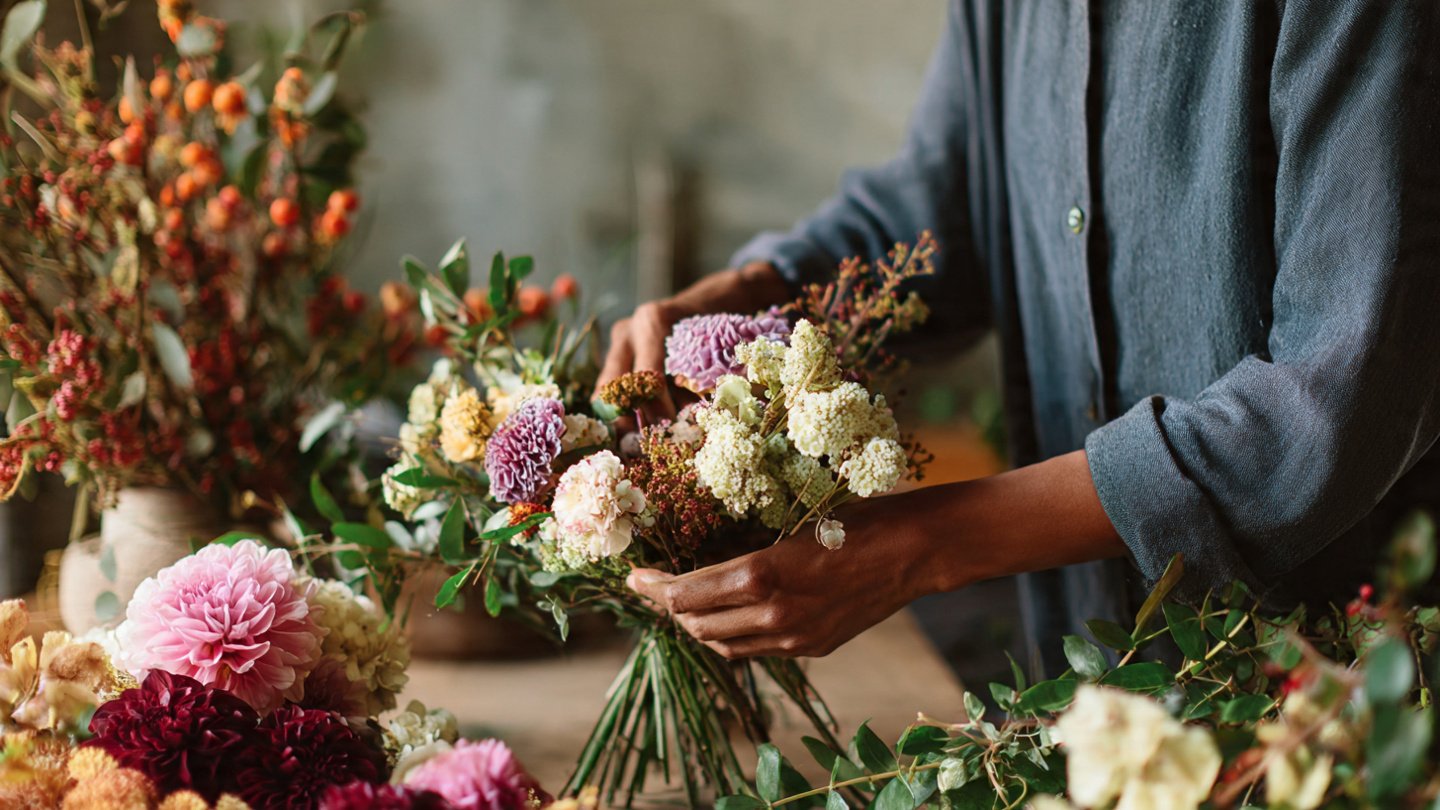
Bringing the beauty of nature into your home with seasonal blooms can not only enhance your living space but also boost your mood and well-being. Flowers have a transformative power, and learning how to cultivate them indoors can be a rewarding experience. In this article, we will explore simple, effective techniques for growing seasonal flowers indoors, covering everything from the types of flowers to the best practices for care.
Understanding Seasonal Blooms
Before diving into the practicalities of indoor gardening, it’s essential to understand what seasonal blooms are. Seasonal flowers are those that bloom at specific times of the year, influenced by climate, light, and temperature. By choosing the right flowers for different seasons, you can rotate blooms and keep your indoor garden lively year-round.
Common Seasonal Blooms
- Spring Blooms:
- Tulips: One of spring’s favorites, striking in color and shape.
- Daffodils: Cheerful and easy to grow.
- Hyacinths: Known for their lovely scent and vibrant colors.
- Summer Blooms:
- Geraniums: Hardy and colorful, perfect for indoor pots.
- Zinnias: Bright and youthful, adding a playful touch.
- Lilies: Elegant and fragrant, ideal for special occasions.
- Fall Blooms:
- Chrysanthemums: Classic fall flowers that thrive in cooler temperatures.
- Asters: Available in various colors with a unique floral structure.
- Dahlia: Known for their asymmetrical petals and rich colors.
- Winter Blooms:
- Poinsettias: A holiday favorite with bright red leaves.
- Amaryllis: Dramatic flowers that bloom in winter with minimal care.
- Cyclamen: Charming flowers with unique foliage that thrive in cooler spots.
Choosing the Right Flowers
When selecting flowers for your indoor garden, consider the following factors:
- Light Requirements: Different flowers have varying light needs, ranging from low light to full sun. Evaluate the natural light conditions in your home.
- Temperature Tolerance: Some plants prefer cooler temperatures, while others thrive in warmth. Understanding your home’s temperature can help you choose wisely.
- Allergic Reactions: Be mindful of any allergies you or your family members may have; some flowers have stronger scents or can trigger allergies.
Preparing Your Indoor Garden
Now that you know which flowers to grow, it’s time to prepare your indoor space for your blossoming project.
Selecting Containers
Choosing the right containers is crucial for the health of your flowers. Here are some considerations:
Latest Posts
- OnePlus 15T Smartphone Unveiled – Featuring 200MP Camera, Snapdragon 8 Elite Gen 5 and Massive Battery
- Lava Yuva 5G Unveiled – 120Hz Display and Strong Performance for Everyday Use
- Nokia 1100 Launched – Premium Keypad Phone Returns at Budget Price ₹2,500
- Motorola G96 5G Unveiled – Featuring Stylish Design, Strong Performance and Advanced Camera Tech
- Vivo Y21d Unveiled – Massive 6000mAh Battery for All-Day Everyday Use
- Nothing Phone 4 Ultra 5G Launched – 16GB RAM, AI-Powered 50MP Camera and Flagship Performance
- OnePlus 5G Smartphone Launched – 300MP AI Camera, 7000mAh Battery & 100W Fast Charging
- Nothing Phone 3a Pro – High processor smartphone for gaming lovers – battery is 5000mAH
- Realme 15 Pro – 3 days battery backup smartphone with 50MP front camera under ₹28,000
- Vivo X200 FE – 12GB RAM + 256GB Storage smartphone with HD quality camera
- Size: Ensure the pot sizes are appropriate for the plant’s root system. Too small or large can hinder growth.
- Drainage: Choose pots with drainage holes to prevent water from pooling, which can lead to root rot.
- Material: Terracotta pots are great for breathability, while plastic pots retain moisture better.
Potting Mix
A well-draining potting mix is vital for flower health. Look for a mix labeled for flowering plants or create your own by combining:
- Potting soil: The base for moisture retention.
- Perlite or vermiculite: For drainage.
- Compost: To provide nutrients.
Choosing the Right Location
The location for your indoor garden should consider the light needs of the flowers. Here are some tips:
- South-Facing Windows: Ideal for sun-loving plants, providing the most light throughout the day.
- East-Facing Windows: Perfect for gentle morning sunlight, suitable for semi-shade lovers.
- North and West-Facing Windows: Usually receive less light; use for shade-tolerant plants.
Planting Your Seasonal Blooms
With preparation complete, it’s time to plant your seasonal blooms.
Planting Techniques
- Sowing Seeds: If starting from seeds, plant according to the package instructions, typically at the depth of your seed size.
- Transplanting: If using seedlings or young plants, gently remove them from their nursery pots and place them in your prepared containers, ensuring the root ball sits just below the soil surface.
Watering
Watering is an art that balances the needs of your plants:
- Initial Watering: Water thoroughly after planting, allowing excess to drain out.
- Ongoing Care: Check soil moisture regularly. Most flowers prefer the top inch of soil to dry out between waterings.
Fertilization
Fertilizing can help provide essential nutrients for blooming:
- Type: Use a balanced, water-soluble fertilizer every few weeks during the growing season.
- Timing: Stop fertilizing in the bloom’s dormant period, usually in winter.
Caring for Your Indoor Blooms
Once your seasonal flowers are growing, proper care is essential for continued health and blooming.
Light Management
Rotate your plants monthly so they receive equal light exposure on all sides. Consider using grow lights if natural sunlight is insufficient.
Pruning
Regular pruning promotes healthy growth and encourages blooming:
- Deadheading: Remove spent flowers to encourage new growth.
- Foliage Management: Trim back any yellowing or wilting leaves to keep plants healthy.
Pests and Diseases
Indoor plants can face problems such as pests or diseases:
- Inspection: Regularly check for signs of pests (e.g., spider mites, aphids) or fungal infections.
- Treatment: Use insecticidal soap or neem oil for pests and remove any infected foliage to prevent spreading.
Creating a Seasonal Indoor Blooming Calendar
To truly enjoy a year-round display of flowers, create a seasonal blooming calendar. Here’s how to organize your planting:
- Research Bloom Times: Document when each flower typically blooms.
- Stagger Planting: Plant different species at intervals to ensure some are blooming year-round.
- Rotation: As some flowers finish their bloom, replace them with others planning to bloom.
The Joy of Indoor Gardening
Growing seasonal blooms indoors is more than just a hobby; it’s a fulfilling way to interact with nature, bring beauty into your home, and learn valuable gardening skills. The sense of achievement when watching your plants flourish makes the effort worthwhile.
Benefits of Indoor Blooms
- Mood Enhancement: Studies show that flowers can elevate mood and emotional well-being.
- Air Quality: Many flowering plants help purify indoor air.
- Aesthetic Improvement: Seasonal blooms add visual interest and charm to any room.
Conclusion
Transforming your home with seasonal blooms is straightforward and immensely rewarding. By understanding the types of flowers that thrive indoors, carefully preparing your space, and nurturing your plants, you can create a lively indoor garden that reflects the beauty of each season. Whether you’re a seasoned gardener or a novice, the joy of watching your flowers bloom will add a vibrant touch to your life and living space. So roll up your sleeves, gather your supplies, and start cultivating your indoor oasis today!