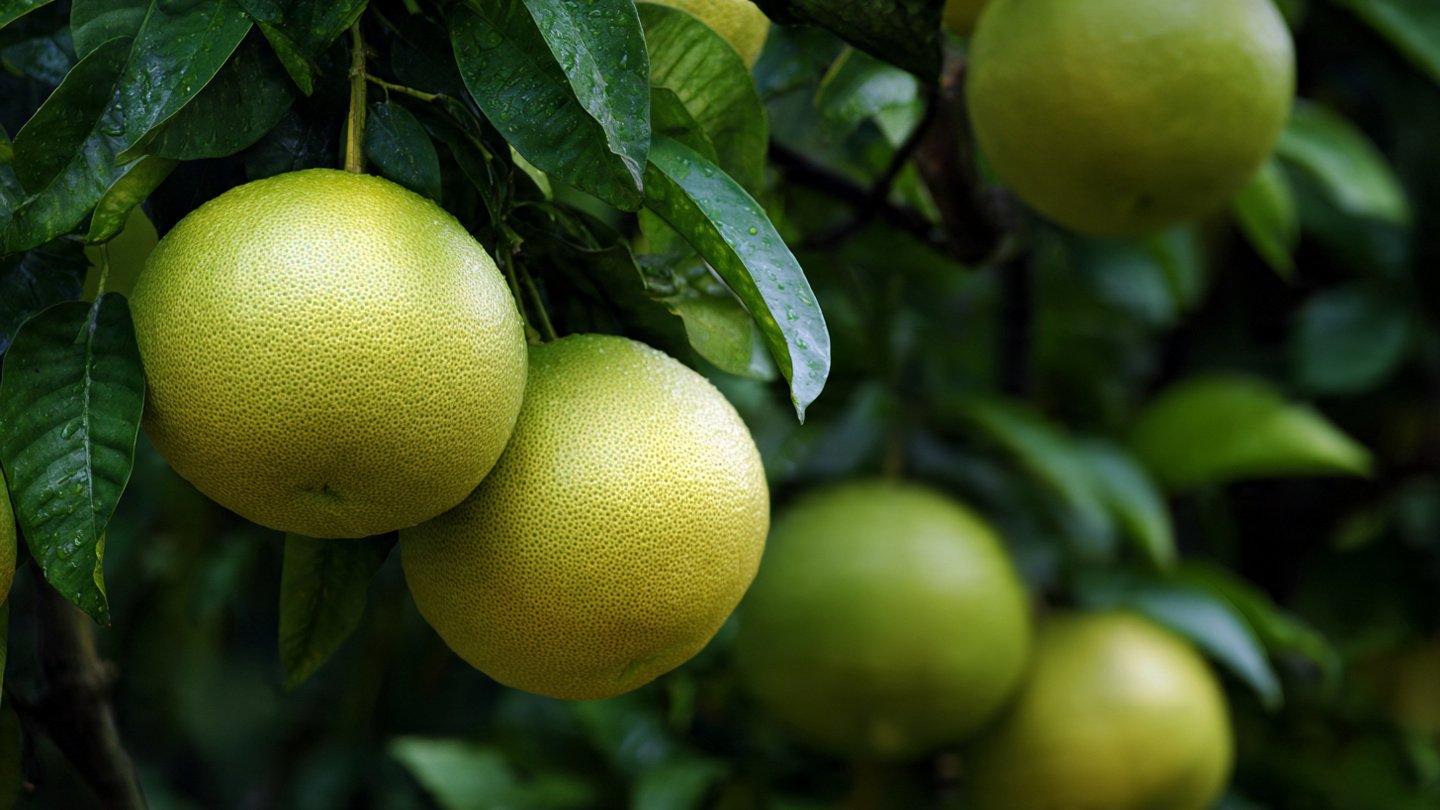
Pomelos (Citrus maxima), known for their large size and sweet, tangy flavor, are the largest citrus fruit and have been cultivated for centuries. Originating from Southeast Asia, they are characterized by their thick rind and fleshy interior, which can range from pale yellow to pinkish hues. Growing pomelos can be a rewarding endeavor, especially if you are looking to enhance your garden’s diversity or produce fruits that are both delicious and potentially marketable. In this article, we will explore effective techniques and tricks to accelerate pomelo growth, ensuring your garden flourishes with these magnificent fruits.
1. Understanding the Pomelo Tree
Before diving into growth techniques, it’s essential to understand the biology and requirements of the pomelo tree. Pomelo trees are evergreen, growing up to 15 meters tall, with broad, glossy leaves and fragrant flowers that attract pollinators. They thrive in subtropical and tropical climates, preferring well-draining sandy or loamy soils with a pH of 6.0 to 7.5. The tree typically begins to bear fruit after 4 to 5 years, making it important to optimize growth during the early stages.
Key Factors Influencing Growth
- Climate: Pomelos thrive in warm temperatures, ideally between 68°F to 90°F (20°C to 32°C). They are sensitive to frost, which can damage the tree and impede growth.
- Soil Quality: The right soil composition influences root health and nutrient uptake. Well-draining soil prevents root rot, while rich organic matter enhances growth.
- Watering Needs: Proper watering is critical, as both drought and overwatering can hinder growth and yield.
2. Selecting the Right Variety
To accelerate growth, start with the appropriate pomelo variety suited to your climate. There are two primary types:
- Sweet Pomelos: This variety is typically preferred for consumption due to its mild sweetness.
- Bitter Pomelos: Often used in cooking or salads, these have a more robust flavor.
Choose varieties that are known for fast growth and adaptability to local climatic conditions. Research local nurseries for high-quality seeds or seedlings that have a reputation for robust growth.
3. Soil Preparation
Choosing the Right Location
Select a sunny location for planting your pomelo tree, as they require at least 6 hours of direct sunlight daily. The area should be well-ventilated and protected from strong winds, which can cause damage to the branches and fruit.
Latest Posts
- OnePlus 15T Smartphone Unveiled – Featuring 200MP Camera, Snapdragon 8 Elite Gen 5 and Massive Battery
- Lava Yuva 5G Unveiled – 120Hz Display and Strong Performance for Everyday Use
- Nokia 1100 Launched – Premium Keypad Phone Returns at Budget Price ₹2,500
- Motorola G96 5G Unveiled – Featuring Stylish Design, Strong Performance and Advanced Camera Tech
- Vivo Y21d Unveiled – Massive 6000mAh Battery for All-Day Everyday Use
- Nothing Phone 4 Ultra 5G Launched – 16GB RAM, AI-Powered 50MP Camera and Flagship Performance
- OnePlus 5G Smartphone Launched – 300MP AI Camera, 7000mAh Battery & 100W Fast Charging
- Nothing Phone 3a Pro – High processor smartphone for gaming lovers – battery is 5000mAH
- Realme 15 Pro – 3 days battery backup smartphone with 50MP front camera under ₹28,000
- Vivo X200 FE – 12GB RAM + 256GB Storage smartphone with HD quality camera
Soil Enrichment
Before planting, enrich the soil by mixing in well-rotted manure, compost, or organic fertilizers. This adds essential nutrients and improves soil structure. Aim for a soil depth of 2 feet (60 cm) to encourage robust root development.
pH Levels
Test the soil pH to ensure it is within the optimal range. If the soil is too acidic, lime can be added to raise the pH. For overly alkaline soil, sulfur or peat moss can help balance it.
4. Planting Techniques
Spacing and Depth
When planting pomelo trees, ensure adequate spacing of at least 15 to 25 feet between trees to promote air circulation and prevent the spread of diseases. Dig a hole that is twice as wide and as deep as the root ball, ensuring the graft union is above the soil line.
Mulching
After planting, apply a layer of organic mulch around the base of the tree, which helps retain moisture, suppress weeds, and provide additional nutrients as it decomposes.
5. Optimal Watering Practices
Establishing a Watering Schedule
Proper watering is crucial during the first few years. Regular, deep watering encourages strong root development. During hot months, ensure the tree receives water at least twice a week. A good rule of thumb is to provide about 1-2 inches of water weekly, adjusting as necessary based on rainfall and soil moisture.
Irrigation Systems
Consider installing a drip irrigation system, which delivers water directly to the roots and minimizes evaporation. This not only promotes efficient water usage but also reduces the risk of fungal diseases associated with wet foliage.
6. Fertilization Strategies
Nutrient-Rich Fertilizers
Pomelo trees require balanced nutrition for optimal growth. Use a slow-release fertilizer during the growing season, focusing on a nitrogen-phosphorus-potassium (NPK) ratio suitable for fruit trees, such as 10-10-10 or 15-15-15.
Micronutrients
Incorporate trace elements such as magnesium, calcium, and iron – essential for healthy growth and fruit production. Regularly applying chelated micronutrients may significantly enhance tree health.
Timing
Apply fertilizers during early spring and late summer to align with the tree’s growth cycles. Avoid over-fertilization, as this can lead to excessive foliage growth at the expense of fruit production.
7. Pruning for Growth
Pruning is essential for controlling tree size, promoting air circulation, and encouraging fruit yield.
Establishing a Pruning Regimen
- Early Years: During the first few years, focus on shaping the tree and removing any dead or crossing branches.
- Mature Trees: Once the tree starts producing fruit, prune to remove suckers and thin out excess foliage to improve airflow and sunlight penetration.
Timing
Prune in late winter or early spring before new growth begins to minimize stress on the tree.
8. Pest and Disease Management
Common Pests
Monitor for common pests such as aphids, scale insects, and caterpillars. Employ natural remedies, such as neem oil or insecticidal soap, to manage infestations.
Disease Prevention
Fungal diseases can be a concern, particularly in humid climates. Ensure good air circulation and avoid overhead watering to reduce fungal development. Regularly inspect your trees for any signs of distress, such as discoloration or wilting.
9. Environmental Factors
Climate Control
For growers in non-tropical regions, consider using protective coverings or greenhouses to maintain an optimal climate for growth.
Windbreaks
Planting windbreaks, such as hedges or rows of trees, can protect young pomelo trees from harsh winds, promoting healthier growth.
10. Harvesting for Long-Term Growth
Timing of Harvest
Pomelos can take anywhere from 5 to 7 months from flowering to fruiting. Timing the harvest is crucial for ensuring optimum flavor and texture.
Gentle Techniques
When harvesting, use gentle techniques to avoid damaging the fruit. A gentle twist and cut method, rather than pulling or yanking, helps preserve the tree and future yields.
Conclusion
Growing pomelos can be a fulfilling venture that rewards patience and effort with sweet, juicy fruits. By understanding the needs of the pomelo tree, selecting the right varieties, enriching the soil, and adhering to recommended watering, fertilization, and pest management strategies, you can accelerate pomelo growth and enjoy bountiful harvests.
Implement these techniques, and you’ll not only witness faster growth but also develop a deeper understanding of your garden’s ecosystem. Happy gardening!
By following this comprehensive guide, both novice and experienced gardeners can explore effective strategies to cultivate and accelerate the growth of pomelo trees, ultimately leading to healthier plants and abundant fruit production.