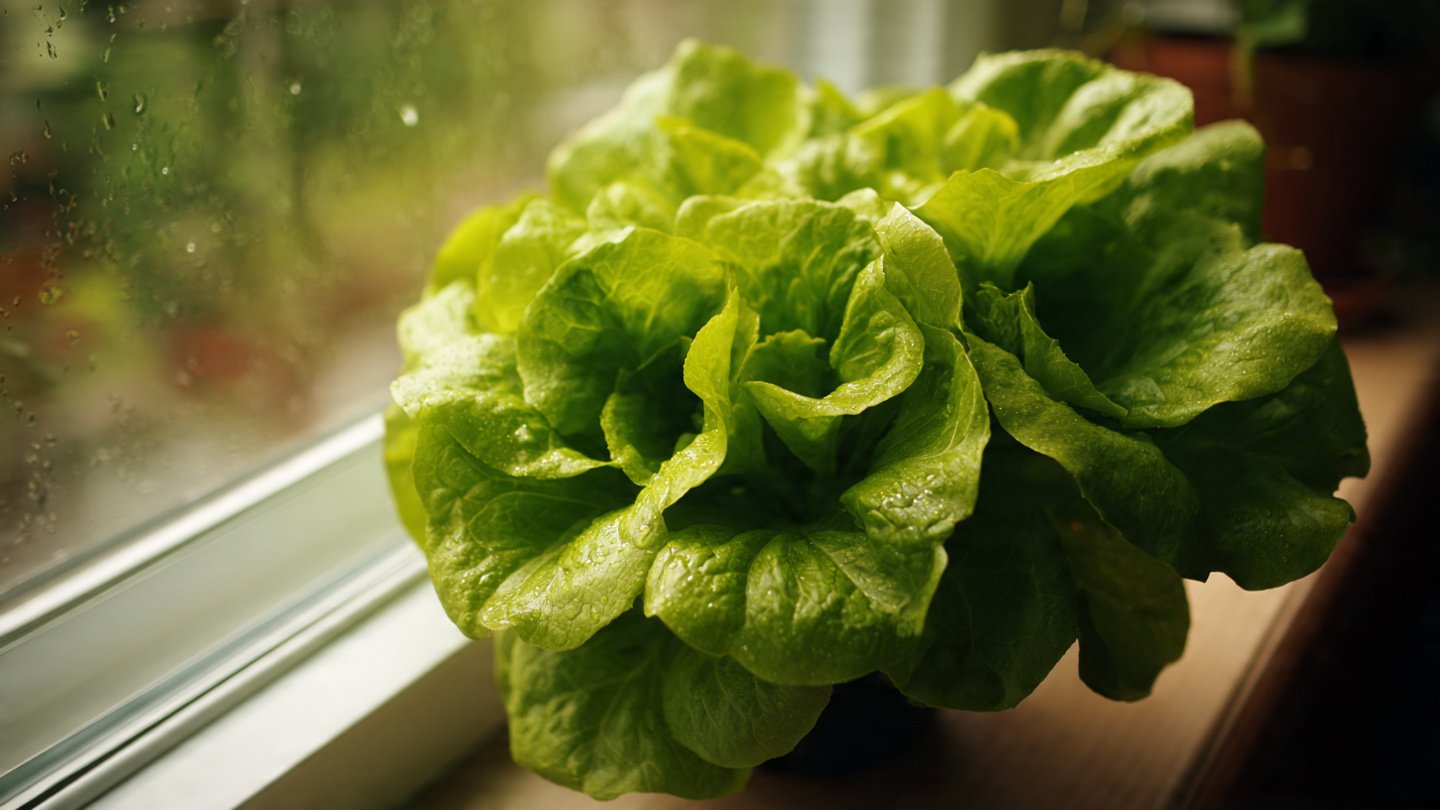
Lettuce is one of the most versatile and popular leafy greens enjoyed all around the world. Whether in a salad, sandwich, or as a garnish, its crisp texture and refreshing taste are hard to beat. One of the most appealing aspects of lettuce is its capacity for regrowth. This article will explore the process of regrowing lettuce indoors, covering its benefits, methods, and tips for success.
Benefits of Regrowing Lettuce Indoors
Before delving into the “how-to,” let’s first consider the benefits of regrowing lettuce indoors:
- Convenience: Having fresh lettuce available at your fingertips in your kitchen can elevate your meal prep. No more last-minute trips to the grocery store!
- Cost-Effective: Instead of purchasing lettuce weekly, regrowing from scraps can help save money. A small piece of lettuce can yield multiple harvests over time.
- Sustainability: Regrowing lettuce reduces food waste. By using scraps that would otherwise be thrown away, you contribute positively to the environment.
- Freshness and Flavor: Homegrown lettuce is often fresher than store-bought varieties. You can enjoy a crisp, flavorful salad right from your living space.
- Educational Opportunity: For those with kids or a keen interest in gardening, regrowing lettuce indoors is a fantastic way to learn about plant biology and the growth process.
Best Types of Lettuce for Regrowing
When it comes to choosing the right variety of lettuce for regrowing, some varieties are more suited to this practice than others:
- Romaine Lettuce: This type is robust and grows quickly, making it ideal for indoor regrowth.
- Butterhead Lettuce: Known for its soft, delicate leaves, butterhead lettuce can also be regrown effectively.
- Green Leaf Lettuce: This variety yields multiple leaves and is quite easy to regrow.
- Red Leaf Lettuce: Similar to green leaf lettuce but offers a different color and texture, providing visual interest.
Method 1: Water Method
One of the simplest ways to regrow lettuce is in water. This method is quick, requiring minimal materials.
Materials Needed
- Lettuce scraps (the base of the lettuce head)
- A shallow bowl or dish
- Water
- A sunny spot in your home
Steps
- Prepare the Lettuce Scraps: After cutting the lettuce, save the bottom portion that still has roots. Ensure that there are at least a few inches of the stem left.
- Place in Water: Fill your shallow bowl or dish with about an inch of water. Place the lettuce scraps cut-side down in the bowl. The roots should be submerged, while the leafy part should remain above the water.
- Provide Sunlight: Set your bowl in a sunny location, such as a windowsill that gets at least six hours of sunlight a day.
- Change Water Regularly: To prevent bacteria growth, change the water every few days. This also ensures the plant is consistently hydrated.
- Watch for Growth: After a few days to a week, you should notice new leaves beginning to sprout. As the new growth appears, you can either leave the lettuce in the bowl for continued regrowth or transplant it into soil.
Method 2: Soil Method
For those looking for a more permanent solution, the soil method may be preferable. This method can yield a more robust and hearty plant.
Latest Posts
- OnePlus 15T Smartphone Unveiled – Featuring 200MP Camera, Snapdragon 8 Elite Gen 5 and Massive Battery
- Lava Yuva 5G Unveiled – 120Hz Display and Strong Performance for Everyday Use
- Nokia 1100 Launched – Premium Keypad Phone Returns at Budget Price ₹2,500
- Motorola G96 5G Unveiled – Featuring Stylish Design, Strong Performance and Advanced Camera Tech
- Vivo Y21d Unveiled – Massive 6000mAh Battery for All-Day Everyday Use
- Nothing Phone 4 Ultra 5G Launched – 16GB RAM, AI-Powered 50MP Camera and Flagship Performance
- OnePlus 5G Smartphone Launched – 300MP AI Camera, 7000mAh Battery & 100W Fast Charging
- Nothing Phone 3a Pro – High processor smartphone for gaming lovers – battery is 5000mAH
- Realme 15 Pro – 3 days battery backup smartphone with 50MP front camera under ₹28,000
- Vivo X200 FE – 12GB RAM + 256GB Storage smartphone with HD quality camera
Materials Needed
- Lettuce scraps
- A small pot with drainage holes
- Potting soil
- Water
- A sunny spot in your home
Steps
- Prepare the Pot: Fill the small pot with potting soil, leaving about an inch of space at the top.
- Plant the Lettuce Scraps: Take the base of your lettuce and insert it into the soil, burying it about an inch deep. Make sure the roots and part of the stem are firmly placed in the soil.
- Water the Soil: Give the soil a good initial watering, ensuring it is moist but not soggy. Proper drainage is vital to prevent root rot.
- Provide Sunlight: Like the water method, place your pot in a location where it will receive plenty of sunlight.
- Regular Maintenance: Monitor the soil moisture, watering it when the top inch feels dry. After a week or two, you should begin to see new growth!
Tips for Successful Indoor Lettuce Growth
To enhance your success in regrowing lettuce indoors, consider the following tips:
Light
Lettuce thrives on sunlight, so ensure they receive adequate lighting. If natural light is limited in your home, consider investing in LED grow lights, which can provide the necessary wavelengths for healthy growth.
Temperature
Lettuce prefers cooler temperatures, ideally between 60°F to 70°F (15°C to 21°C). Avoid placing your plants near heat sources, like heaters or radiators, which can stress the plant.
Watering
Overwatering is a common mistake. Always check the moisture level of the soil before watering. For the water method, changing the water regularly ensures a clean growing environment.
Fertilizing
If you want a more robust growth, consider using an organic fertilizer or compost once you see significant growth. This ensures your lettuce receives the nutrients it needs to thrive.
Pest Management
Indoor plants can occasionally attract pests. Regularly inspect your lettuce for signs of aphids or other insects and take immediate action if you spot any.
Common Problems and Solutions
Like any gardening endeavor, regrowing lettuce can be met with challenges. Here are a few common problems and ways to address them:
Problem: Slow Growth
These can be caused by insufficient light or temperature issues. Make sure your lettuce is positioned in optimal conditions.
Problem: Wilting Leaves
This might indicate either overwatering or underwatering. Adjust your watering schedule accordingly.
Problem: Yellowing Leaves
Yellow leaves can be a sign of nutrient deficiency or poor drainage. Ensure the soil has nutrients and adequate drainage.
Harvesting Your Lettuce
Once your lettuce has grown sufficiently—usually about 4-6 inches tall—you can start to harvest. Cut the outer leaves first, allowing the inner leaves to continue to grow. This method encourages the plant to produce new leaves.
Conclusion
Regrowing lettuce indoors can be a simple, rewarding, and sustainable way to enjoy fresh greens year-round. The benefits extend beyond convenience and cost savings, offering an opportunity to engage with nature even within the confines of your home. Utilizing either the water or soil method, along with diligent care, you can successfully cultivate and enjoy your homegrown lettuce. So, why not give it a try? Start today and indulge in the crisp, fresh taste of your very own lettuce!