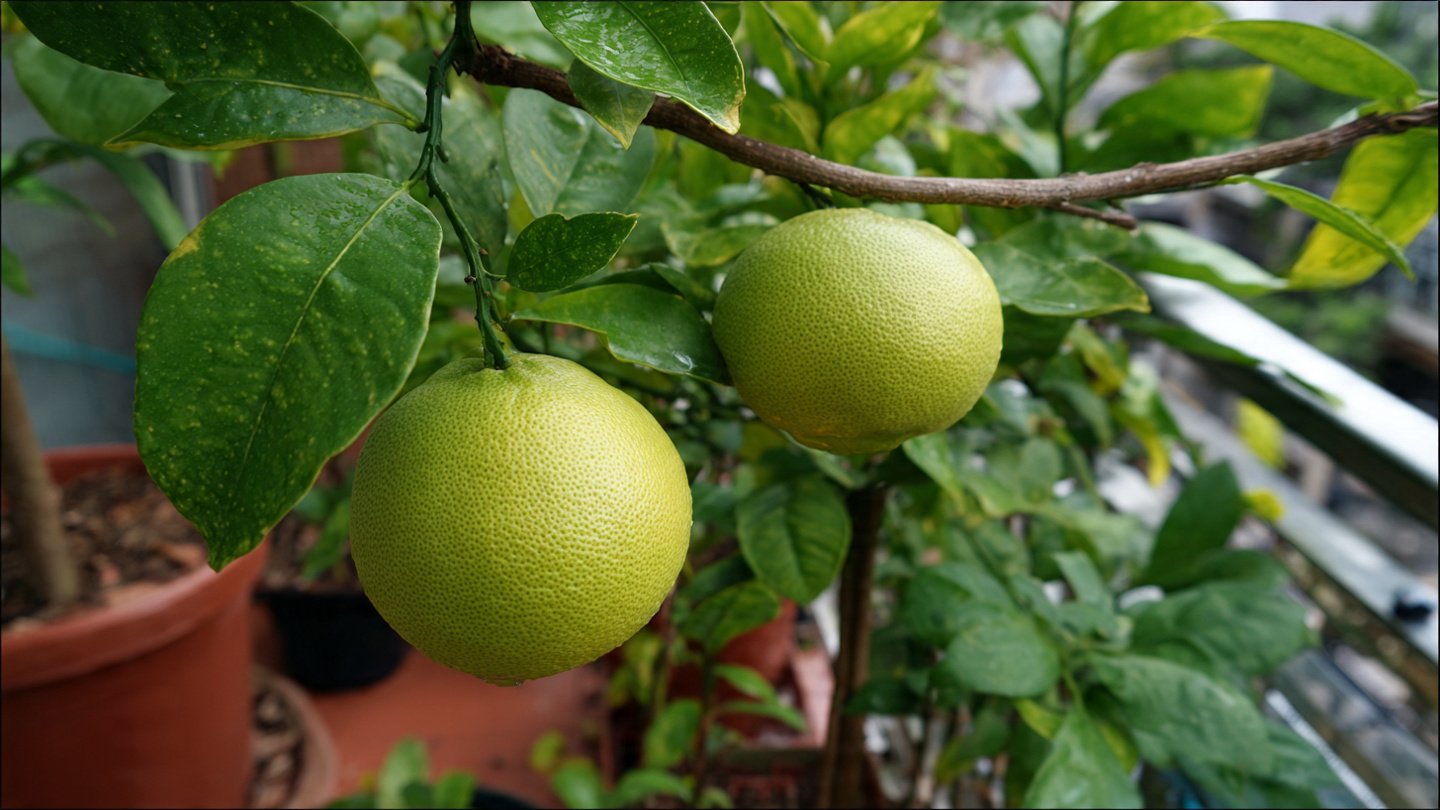
Growing your own fruit is not only a rewarding endeavor but also a delightful way to elevate your balcony gardening game. Among the various fruits you can cultivate, pomelo stands out due to its unique flavor, impressive size, and relatively straightforward care. This article provides a comprehensive guide on how to master pomelo balcony gardening, empowering you to create your own citrus paradise.
Understanding the Pomelo
What is Pomelo?
Latest Posts
- OnePlus 15T Smartphone Unveiled – Featuring 200MP Camera, Snapdragon 8 Elite Gen 5 and Massive Battery
- Lava Yuva 5G Unveiled – 120Hz Display and Strong Performance for Everyday Use
- Nokia 1100 Launched – Premium Keypad Phone Returns at Budget Price ₹2,500
- Motorola G96 5G Unveiled – Featuring Stylish Design, Strong Performance and Advanced Camera Tech
- Vivo Y21d Unveiled – Massive 6000mAh Battery for All-Day Everyday Use
- Nothing Phone 4 Ultra 5G Launched – 16GB RAM, AI-Powered 50MP Camera and Flagship Performance
- OnePlus 5G Smartphone Launched – 300MP AI Camera, 7000mAh Battery & 100W Fast Charging
- Nothing Phone 3a Pro – High processor smartphone for gaming lovers – battery is 5000mAH
- Realme 15 Pro – 3 days battery backup smartphone with 50MP front camera under ₹28,000
- Vivo X200 FE – 12GB RAM + 256GB Storage smartphone with HD quality camera
Pomelo (Citrus maxima) is the largest citrus fruit, often characterized by its thick, leathery rind and mild, sweet flavor. The flesh can vary from pale yellow to pink, and it’s known for being less acidic than its cousins, such as grapefruit and orange. Rich in vitamins and antioxidants, pomelos not only taste great but also offer numerous health benefits.
Ideal Growing Conditions
Pomelos thrive in tropical and subtropical climates. However, with the right care, they can also be successfully grown in pots on a balcony in temperate regions. Understanding their growing requirements is the first step toward success.
- Sunlight: Pomelos love sunlight. Aim for at least 6-8 hours of direct sunlight daily.
- Temperature: They prefer warm temperatures, ideally between 75°F and 85°F (24°C to 29°C). Protect the plants from temperatures below 50°F (10°C).
- Humidity: Moderate humidity levels around 50-70% are ideal, although they can adapt to drier conditions with proper watering.
Choosing the Right Variety
When selecting a pomelo variety, consider your climate and the space available on your balcony. Common varieties include:
- Chandler: Known for its sweet and juicy flesh, it’s suitable for home gardens.
- Honey Pomelo: This variety is sweeter and less acidic, making it a popular choice for fresh consumption.
- Malay Pomelo: Larger and thicker-skinned, it offers a balance of sweet and tart flavors.
Researching and picking a variety that aligns with your preferences and balcony conditions will enhance your gardening experience.
Getting Started: Planting Your Pomelo
Selecting Containers
Choosing the right pot is crucial for your pomelo tree’s health. Opt for a container that is:
- Size: A minimum of 15-20 gallons (55-75 liters) for full-sized trees; smaller sizes can work for dwarf varieties.
- Material: Terracotta pots allow for breathability, while plastic pots retain moisture better, so consider your watering needs.
- Drainage: Ensure the pot has drainage holes to prevent root rot.
Soil Preparation
Pomelos prefer well-draining, nutrient-rich soil. A mix of the following is recommended:
- Potting Mix: Use a good-quality potting mix as the base.
- Perlite or Sand: Improve drainage by adding perlite or coarse sand.
- Organic Matter: Include compost to provide essential nutrients.
Planting
- Positioning: Place the pot in a location that receives ample sunlight.
- Planting the Seedling: If starting from a seed, plant it about 1 inch deep in the soil. If starting with a nursery sapling, plant it at the same depth it was growing in the nursery pot.
- Watering: Water the plant thoroughly after planting.
Care and Maintenance
Watering
Pomelos need regular watering, but be cautious not to overwater. A general rule of thumb is:
- Frequency: Water your pomelo tree every 1-2 weeks, depending on the weather.
- Technique: Ensure the top inch of soil dries out before watering again.
- Signs of Overwatering: Yellowing leaves and a wilting appearance can indicate too much water.
Fertilizing
Regular fertilization is essential for robust growth and fruiting. Use a balanced, slow-release fertilizer formulated for citrus every 6-8 weeks during the growing season (spring and summer).
- Organic Options: Consider using fish emulsion or compost tea for organic fertilization.
- Nutrients to Watch for: Ensure your fertilizer has adequate potassium, phosphorus, and magnesium for optimum growth.
Pruning
Pruning is vital for maintaining shape and encouraging air circulation. Focus on:
- Timing: Prune during the dormant season (late winter or early spring).
- Technique: Remove dead or crossing branches and any suckers that grow from the base.
Pest Control
Watch for common citrus pests such as aphids, spider mites, and whiteflies. Here’s how to manage them:
- Preventive Measures: Keep your plant healthy with proper watering and nutrition.
- Natural Solutions: Use insecticidal soap or neem oil for organic pest control.
- Regular Inspection: Routinely check the underside of leaves for early signs of infestation.
Pollination
Pomelos are generally self-pollinating, but encouraging bees and other pollinators can enhance fruit production.
- Attract Pollinators: Plant flowers such as marigolds or lavender near your balcony to attract bees.
- Manual Pollination: You can also use a small paintbrush to transfer pollen between flowers if needed.
Troubleshooting Common Issues
Yellowing Leaves
This can result from nutrient deficiency or overwatering. Adjust your watering schedule and consider fertilizing if necessary.
Poor Fruit Set
Insufficient sunlight, lack of pollination, or inadequate nutrients can lead to poor fruit production. Ensure your plant is getting enough light and nutrients.
Fruit Drop
It’s normal for young pomelos to drop some fruit as they develop. However, excessive dropping may signal stress from lack of water or nutrients.
Harvesting Your Pomelos
When to Harvest
Pomelos generally take about 5-6 months from flowering to fruit maturity. Signs of readiness include:
- Color Change: The skin color will change from green to yellow or light green, depending on the variety.
- Size and Weight: Mature pomelos will feel heavy for their size.
- Surface Texture: The rind should be bouncy to the touch.
How to Harvest
- Cut Carefully: Use a sharp knife or pruning shears to cut the fruit from the tree, leaving a small stem attached.
- Handle with Care: Be gentle to avoid bruising the fruit.
Enjoying Your Harvest
Once harvested, you can enjoy your pomelos in various ways:
- Fresh: Simply peel and separate the segments for a refreshing snack.
- Culinary Uses: Use pomelo in salads, salsas, or desserts for a citrusy flavor.
- Beverages: Juice pomelos for a refreshing drink or add the segments to cocktails.
Conclusion
Creating a pomelo paradise on your balcony can be a fulfilling project. With proper care, you can enjoy fresh, homegrown fruit right at your fingertips. By following the tips outlined in this guide, you can master the art of pomelo balcony gardening and indulge in the sweet rewards of your efforts. Embrace the journey of nurturing nature, and soon, you’ll have a beautiful array of pomelos to enjoy and share with family and friends. Happy gardening!