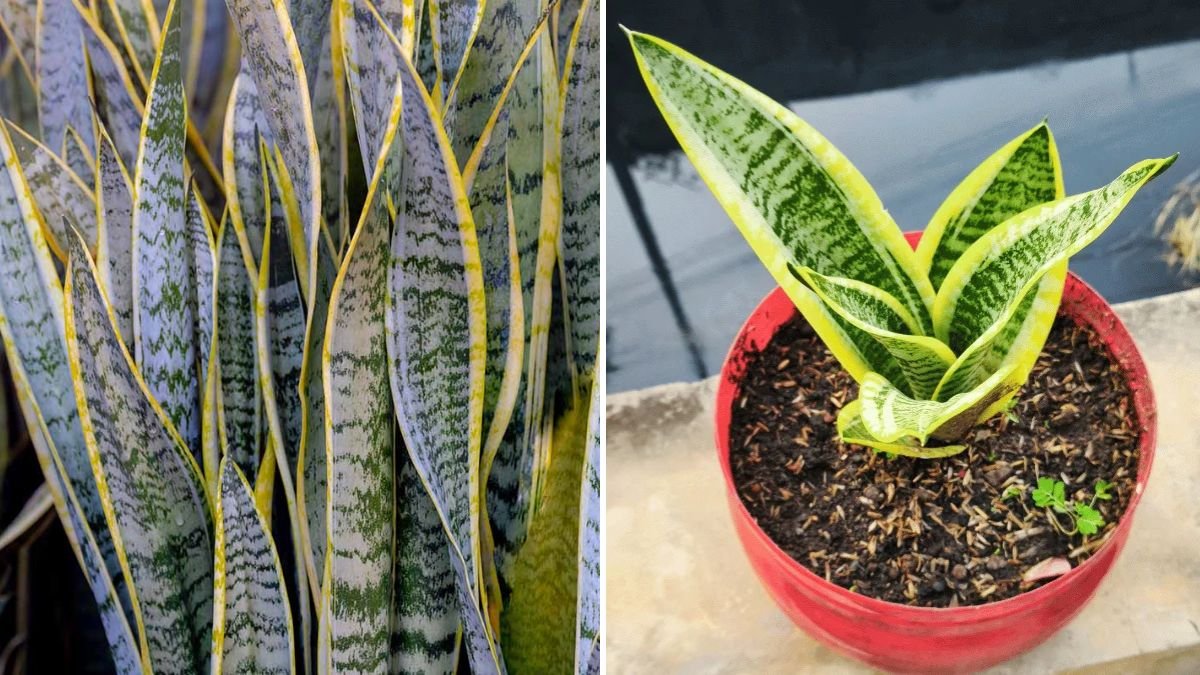
Snake plants are famous for being hardy and low maintenance, yet improper watering is the most common reason they fail. Many plant owners mistakenly water snake plants too often, assuming all houseplants need frequent moisture. In reality, snake plants thrive in dry conditions and store water in their thick leaves. Overwatering can quickly lead to root rot, yellow leaves, and plant collapse. Understanding how often to water ensures long-term health and strong growth. Watering frequency depends on light, temperature, soil, and pot type. This guide explains everything clearly for beginners and experienced growers. Mastering watering habits is the key to a thriving snake plant.
Paragraph 1: Understanding the Natural Habitat of Snake Plants
Snake plants originate from dry regions of Africa where rainfall is infrequent. These plants evolved to survive long droughts by storing water in their leaves. Their roots prefer dry, airy soil rather than constant moisture. This natural adaptation explains why snake plants dislike soggy soil. Mimicking their native environment indoors promotes optimal growth. Overwatering goes against their survival mechanism. Knowing where a plant comes from improves care decisions. Nature provides the best care blueprint.
Paragraph 2: How Often Should You Water a Snake Plant Generally
In most indoor environments, snake plants should be watered every two to four weeks. The exact timing depends on how quickly the soil dries out. Watering should only happen when the soil is completely dry from top to bottom. Unlike thirsty plants, snake plants suffer from excess moisture. Less frequent watering leads to healthier roots. Seasonal changes also affect watering needs. Observing soil dryness is more reliable than following a strict schedule.
Paragraph 3: Signs That Your Snake Plant Needs Water
Snake plants communicate thirst through subtle signs. Leaves may appear slightly wrinkled or lose firmness. Growth may slow during extended dry periods. Soil pulling away from pot edges indicates dryness. These signs mean watering is necessary. Unlike other plants, snake plants rarely droop dramatically. Gentle changes are their warning signals. Learning these signs prevents unnecessary watering.
Paragraph 4: Signs of Overwatering and Root Rot
Overwatering symptoms appear quickly and can be severe. Yellowing leaves are often the first warning sign. Mushy leaf bases indicate advanced root rot. A foul smell from soil suggests decaying roots. Leaves may collapse or fall over unexpectedly. Overwatering blocks oxygen from roots. Immediate action is required to save the plant. Recognizing these signs early prevents plant loss.
Latest Posts
- OnePlus 15T Smartphone Unveiled – Featuring 200MP Camera, Snapdragon 8 Elite Gen 5 and Massive Battery
- Lava Yuva 5G Unveiled – 120Hz Display and Strong Performance for Everyday Use
- Nokia 1100 Launched – Premium Keypad Phone Returns at Budget Price ₹2,500
- Motorola G96 5G Unveiled – Featuring Stylish Design, Strong Performance and Advanced Camera Tech
- Vivo Y21d Unveiled – Massive 6000mAh Battery for All-Day Everyday Use
- Nothing Phone 4 Ultra 5G Launched – 16GB RAM, AI-Powered 50MP Camera and Flagship Performance
- OnePlus 5G Smartphone Launched – 300MP AI Camera, 7000mAh Battery & 100W Fast Charging
- Nothing Phone 3a Pro – High processor smartphone for gaming lovers – battery is 5000mAH
- Realme 15 Pro – 3 days battery backup smartphone with 50MP front camera under ₹28,000
- Vivo X200 FE – 12GB RAM + 256GB Storage smartphone with HD quality camera
Paragraph 5: Best Soil Type for Proper Water Control
Well-draining soil is essential for snake plants. Cactus or succulent soil mixes work best. These soils prevent water retention around roots. Adding sand or perlite improves drainage further. Heavy garden soil holds too much moisture. Soil choice directly affects watering frequency. Proper soil reduces overwatering risks. Healthy roots start with the right soil.
Paragraph 6: Importance of Pot Type and Drainage Holes
The type of pot greatly influences watering success. Pots with drainage holes allow excess water to escape. Terracotta pots absorb moisture and dry faster. Plastic pots retain water longer and require less frequent watering. Decorative pots without drainage should be avoided. Pot size also matters for water retention. Drainage is non-negotiable for snake plants.
Paragraph 7: Watering Snake Plants in Different Seasons
Snake plants require less water during winter months. Growth slows due to reduced light and temperature. Watering once a month is often sufficient in winter. During spring and summer, watering every two to three weeks works well. Seasonal adjustments prevent stress. Ignoring seasons leads to overwatering. Matching water to growth cycles ensures balance.
Paragraph 8: Indoor vs Outdoor Snake Plant Watering
Outdoor snake plants dry faster due to sun and airflow. They may need slightly more frequent watering than indoor plants. Indoor environments retain moisture longer. Air-conditioned rooms slow soil drying. Outdoor plants exposed to rain require careful monitoring. Environment plays a key role in watering frequency. Adjust based on placement.
Paragraph 9: How Light Affects Watering Frequency
Bright light increases evaporation and water use. Snake plants in bright indirect light dry soil faster. Low-light conditions slow water usage. Plants in shade require less frequent watering. Light levels should always guide watering decisions. Misjudging light leads to watering mistakes. Observing soil dryness remains essential.
Paragraph 10: Proper Watering Technique for Snake Plants
When watering, soak the soil thoroughly until water drains out. Avoid shallow watering that leaves roots dry. Never let the plant sit in standing water. Empty saucers after watering. Allow soil to dry fully before watering again. Proper technique is as important as frequency. Deep watering supports strong roots.
Paragraph 11: Using the Finger Test to Check Soil Moisture
The finger test is a simple and reliable method. Insert your finger two inches into the soil. If it feels dry, watering is safe. If moisture is present, wait longer. This method prevents guesswork. Soil moisture meters can also help. Always trust dryness over schedules.
Paragraph 12: Table – Watering Frequency by Season
| Season | Watering Interval | Growth Activity |
|---|---|---|
| Spring | Every 2–3 weeks | Active growth |
| Summer | Every 2–3 weeks | Fast growth |
| Autumn | Every 3–4 weeks | Slowing growth |
| Winter | Every 4–6 weeks | Dormant phase |
Paragraph 13: Table – Common Watering Mistakes and Solutions
| Mistake | Problem Caused | Solution |
|---|---|---|
| Frequent watering | Root rot | Water only when soil is dry |
| Poor drainage | Waterlogged roots | Use draining pots |
| Heavy soil | Moisture retention | Switch to cactus mix |
| Standing water | Fungal growth | Empty saucers |
Paragraph 14: Humidity and Its Impact on Watering
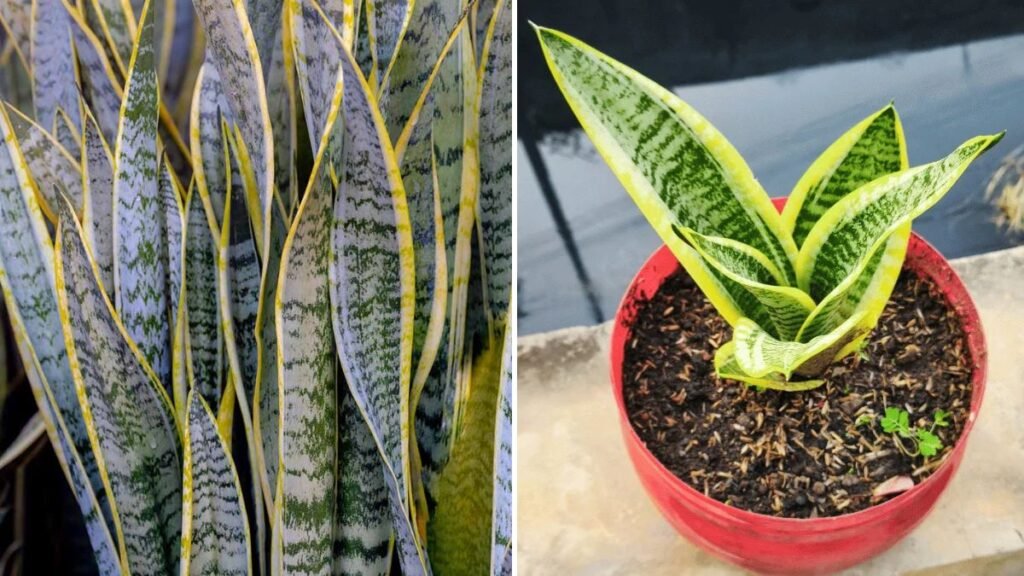
Snake plants tolerate low humidity well. High humidity slows soil drying. Bathrooms and kitchens require less frequent watering. Dry climates allow faster evaporation. Humidity awareness improves watering accuracy. Snake plants adapt easily but prefer dryness. Balance is key.
Paragraph 15: Fertilizer and Its Effect on Water Needs
Fertilizing increases growth activity. Active growth requires slightly more water. Over-fertilizing combined with overwatering is harmful. Feed lightly during growing seasons only. Avoid fertilizer in winter. Nutrient balance supports healthy watering cycles.
Paragraph 16: Water Quality and Snake Plant Health
Tap water is usually safe for snake plants. Allow water to sit overnight to reduce chlorine. Distilled water prevents salt buildup. Cold water shocks roots and should be avoided. Room-temperature water is best. Water quality affects long-term health.
Paragraph 17: Reviving an Overwatered Snake Plant
Remove the plant from wet soil immediately. Trim rotten roots using clean scissors. Repot in dry, fresh soil. Allow recovery before watering again. Recovery may take weeks. Patience improves survival chances. Early action saves plants.
Paragraph 18: Long-Term Benefits of Proper Watering
Correct watering strengthens roots and leaf structure. Plants grow upright and vibrant. Disease risk is minimized naturally. Proper care extends plant lifespan. Healthy snake plants require minimal intervention. Consistency leads to success.
Paragraph 19: Snake Plant Watering Myths
Many believe snake plants need weekly watering. This myth causes most failures. Another myth is misting leaves frequently. Snake plants do not require misting. Understanding facts prevents mistakes. Education leads to thriving plants.
Paragraph 20: Final Thoughts on Snake Plant Watering
Snake plants thrive on neglect rather than attention. Watering only when necessary keeps them healthy. Observing soil dryness is the golden rule. Environment and seasons influence frequency. With proper care, snake plants last for decades. Simple habits create beautiful results.