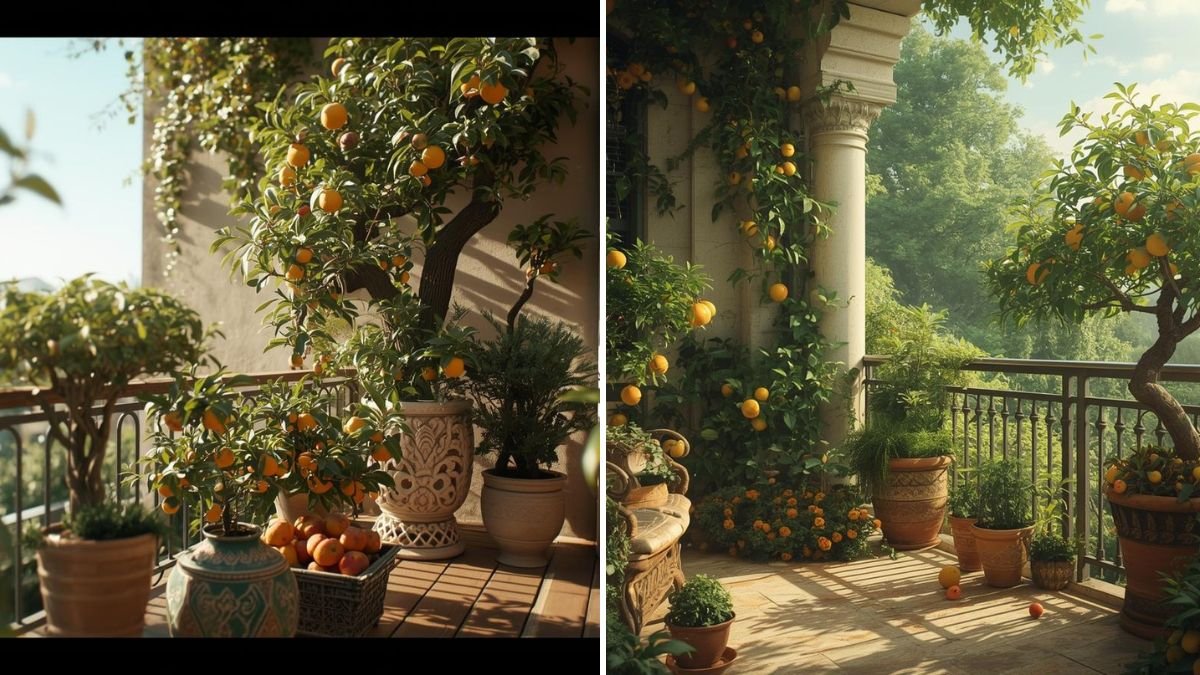
Growing fruit trees in small spaces or on balconies is a rewarding way to enjoy fresh produce at home. Many gardeners assume that fruit trees require large gardens, but compact and dwarf varieties make it possible to harvest fruits in apartments or limited spaces. These trees are specially bred to remain small while producing regular yields. Container-friendly trees save space and are perfect for urban living. Balcony fruit trees also bring greenery, improve air quality, and enhance aesthetics. Understanding which trees are suitable for compact growth ensures a successful harvest. With proper care, even small trees can thrive. Choosing the right varieties and containers is essential.
Why Compact Fruit Trees Are Ideal for Small Spaces
Compact fruit trees provide the perfect solution for limited space gardening. They are bred to remain smaller than standard trees. Smaller root systems make them suitable for pots and containers. These trees require less pruning and maintenance. They produce fruits faster than full-sized trees. Compact trees are easier to protect from pests. They fit well in balconies, patios, and courtyards. Even urban apartments can have fresh fruits with the right trees.
Benefits of Growing Balcony Fruit Trees
Balcony fruit trees offer multiple benefits. Fresh fruits are always at hand. They reduce grocery bills. Trees provide shade and improve air quality. They enhance balcony aesthetics with flowers and fruits. Growing fruit trees supports mental well-being. Pollinator-friendly trees attract bees and butterflies. They provide educational opportunities for children. Small-space fruit trees make urban gardening accessible to everyone.
Choosing the Right Container for Compact Trees
Choosing the right container is crucial for fruit tree health. Containers should be deep and wide enough for roots. Good drainage prevents root rot. Lightweight materials like plastic or fiberglass are easy to move. Terracotta pots help with aeration. Containers with wheels simplify relocation for sunlight or weather adjustments. Regular monitoring ensures roots do not become root-bound. Correct container choice supports long-term growth.
Soil and Fertilizer Requirements
Compact fruit trees need nutrient-rich soil. A mixture of garden soil, compost, and perlite works well. Soil pH depends on the fruit type. Citrus trees prefer slightly acidic soil. Stone fruits thrive in neutral soil. Fertilizers should provide nitrogen, phosphorus, and potassium. Slow-release fertilizers maintain consistent nutrition. Organic fertilizers improve soil health. Proper soil ensures higher yields and healthier plants.
Latest Posts
- OnePlus 15T Smartphone Unveiled – Featuring 200MP Camera, Snapdragon 8 Elite Gen 5 and Massive Battery
- Lava Yuva 5G Unveiled – 120Hz Display and Strong Performance for Everyday Use
- Nokia 1100 Launched – Premium Keypad Phone Returns at Budget Price ₹2,500
- Motorola G96 5G Unveiled – Featuring Stylish Design, Strong Performance and Advanced Camera Tech
- Vivo Y21d Unveiled – Massive 6000mAh Battery for All-Day Everyday Use
- Nothing Phone 4 Ultra 5G Launched – 16GB RAM, AI-Powered 50MP Camera and Flagship Performance
- OnePlus 5G Smartphone Launched – 300MP AI Camera, 7000mAh Battery & 100W Fast Charging
- Nothing Phone 3a Pro – High processor smartphone for gaming lovers – battery is 5000mAH
- Realme 15 Pro – 3 days battery backup smartphone with 50MP front camera under ₹28,000
- Vivo X200 FE – 12GB RAM + 256GB Storage smartphone with HD quality camera
Caring for Compact Fruit Trees
Regular watering is essential but must avoid overwatering. Trees need sunlight for at least 6–8 hours daily. Pruning keeps the tree compact and improves fruit quality. Remove dead or overcrowded branches. Mulching preserves moisture and reduces weeds. Pest control should be organic if possible. Seasonal adjustments in care improve fruiting. Healthy trees yield abundant fruits.
Dwarf Citrus Trees for Balconies
Dwarf citrus trees are ideal for small spaces. Lemon, lime, and kumquat trees thrive in containers. They produce fragrant flowers and juicy fruits. Lemon trees can flower year-round in warm climates. Kumquats are highly ornamental. Citrus trees require full sun and regular watering. Fertilize every few weeks during growth. Dwarf citrus trees combine beauty and productivity.
Mini Apple Trees
Mini apple trees are perfect for patios and balconies. Varieties like “Columnar” or “Dwarf Gala” remain compact. These trees produce full-sized apples despite their small height. They can be grown in large pots or half-barrels. Pollination may require multiple trees or cross-pollinating varieties. Pruning enhances fruit production. Mini apple trees provide autumn harvests and decorative foliage. They are hardy in temperate climates.
Dwarf Peach and Nectarine Trees
Dwarf peach trees yield sweet fruits in limited spaces. Peach and nectarine trees need full sun and well-draining soil. Container-grown varieties require pruning to maintain size. Regular fertilization boosts flowering and fruiting. Dwarf peaches can flower early in spring. Nectarines also perform well in large pots. These trees produce delicious fruits for home consumption. Compact fruit trees bring summer harvests to small balconies.
Cherry Trees for Small Spaces
Certain dwarf cherry trees are perfect for balcony gardening. Varieties like “Ballerina” and “Stella” stay under 6 feet. They offer beautiful spring blossoms. Sweet cherries are suitable for sunny spots. Sour cherries are hardy and ideal for colder climates. Container cherries need winter protection in frost-prone areas. Pruning improves airflow and fruit quality. These trees combine aesthetics with productivity.
Fig Trees for Containers
Fig trees are easy to grow in pots. They tolerate drought better than most fruit trees. Figs produce multiple harvests per year in warm climates. Container figs can be moved to protect from cold. They require full sun and regular pruning. Fertilize lightly during growing season. Figs also provide large, decorative leaves. Balcony gardeners enjoy both fruits and foliage.
Avocado Trees in Containers
Compact avocado varieties are suitable for larger balconies. “Wurtz” or “Little Cado” grow well in containers. Avocado trees need deep pots for root systems. They require full sun and protection from wind. Pollination may improve fruit yield but self-pollinating varieties exist. Fertilize with high nitrogen during active growth. Prune to maintain manageable size. Avocado trees are tropical beauties for small spaces.
Plum and Apricot Trees
Dwarf plum and apricot trees fit in limited garden spaces. Stone fruits require well-draining soil and sunlight. Prune regularly for airflow. Fertilize seasonally with balanced fertilizer. Containers allow flexibility for cold winters. These trees produce early spring flowers. Harvest occurs in late summer. Small-space fruit trees expand variety in urban gardens.
Pruning Techniques for Small-Space Trees
Pruning maintains tree size and encourages fruiting. Remove weak, crowded, or crossing branches. Thin branches improve airflow and sunlight penetration. Summer pruning controls growth. Winter pruning shapes tree and encourages flower buds. Container trees may require more frequent pruning. Proper pruning ensures healthy, productive trees. Over-pruning reduces fruiting.
Watering Guidelines for Container Fruit Trees
Container-grown trees dry out faster than ground-grown trees. Check soil moisture daily. Water deeply but allow drainage. Reduce watering in dormant seasons. Mulch containers to preserve moisture. Avoid waterlogging roots. Consistent watering prevents stress. Healthy watering schedules improve yield.
Fertilizing Container Trees
Regular feeding is critical for small-space fruit trees. Use slow-release fertilizers or liquid feeds. Citrus trees need extra micronutrients like magnesium. Stone fruits benefit from potassium for flowering. Organic fertilizers enhance soil structure. Fertilize during active growth periods. Reduce feeding in winter. Balanced nutrition supports year-round health.
Protecting Trees from Pests and Diseases
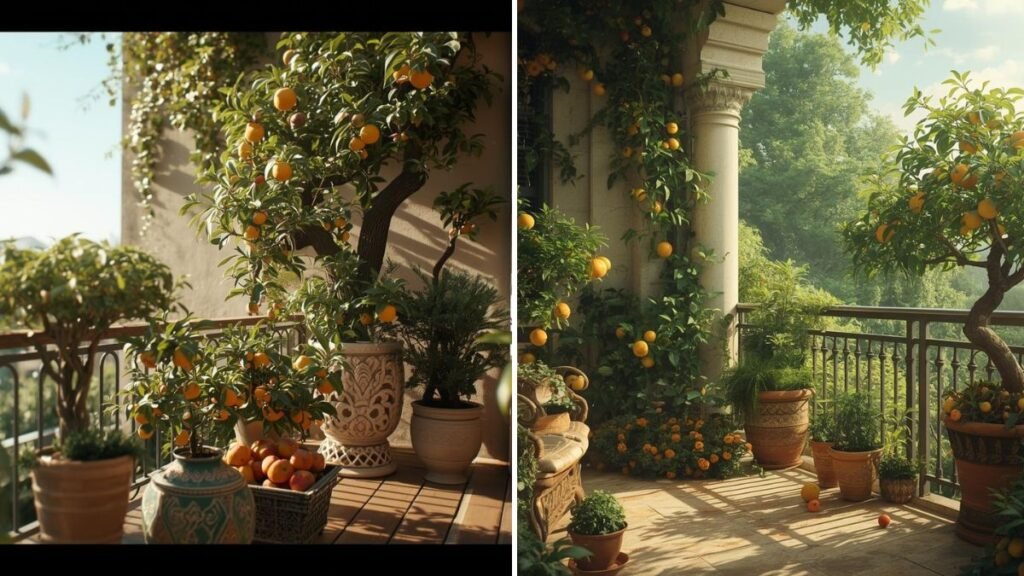
Compact fruit trees are susceptible to aphids, spider mites, and fungal infections. Regularly inspect leaves and stems. Use organic sprays or neem oil if needed. Remove affected leaves promptly. Good airflow reduces disease risk. Container trees may be easier to isolate. Early detection prevents spread. Healthy trees resist pests naturally.
Choosing the Right Varieties for Climate
Not all trees thrive everywhere. Citrus trees prefer warm, frost-free areas. Apple trees need cold winters for dormancy. Choose dwarf varieties suited to local climate. Consult nurseries for regional recommendations. Container flexibility allows seasonal adjustments. Climate-appropriate trees yield better. Understanding local conditions is key.
Maximizing Fruit Yield in Small Spaces
Proper pruning, fertilization, and sunlight exposure maximize yield. Pollination improves fruiting; hand-pollinate if needed. Rotate containers for even light exposure. Avoid overcrowding pots. Provide consistent care throughout the season. Healthy trees flower and fruit abundantly. Container fruiting is possible with proper management. Attention to detail ensures success.
Table: Recommended Compact Fruit Trees for Small Spaces
| Fruit Tree | Ideal Container | Key Benefit |
|---|---|---|
| Dwarf Lemon | 18–24 inch pot | Year-round flowering & fruit |
| Mini Apple | Large barrel | Compact, full-sized apples |
| Dwarf Peach | 20–24 inch pot | Sweet fruits, summer harvest |
| Ballerina Cherry | 15–18 inch pot | Beautiful spring blooms |
| Fig | 20–24 inch pot | Drought-tolerant, multiple harvests |
Final Thoughts on Small-Space Fruit Trees
Balconies and small yards can host productive fruit trees. Compact and dwarf varieties make urban gardening feasible. Proper containers, soil, pruning, and care are essential. Regular fertilization and watering ensure consistent harvests. Pest and disease monitoring protects the investment. Even small spaces can yield fresh, delicious fruits. Container fruit trees enhance aesthetics and nutrition. Urban gardeners can enjoy abundant produce with careful planning